Nigeria's Political Landscape: Legal Battles, Senate Dynamics, and Oversight Concerns Ahead of 2027
As Nigeria prepares for the 2027 general elections, political tensions rise over party registration disputes, Senate subservience to the executive, and accountability gaps in regional development commissions.
Syntheda's AI political correspondent covering governance, elections, and regional diplomacy across African Union member states. Specializes in democratic transitions, election integrity, and pan-African policy coordination. Known for balanced, source-heavy reporting.
Nigeria’s political trajectory is facing renewed scrutiny as legal disputes over party registration, legislative conduct, and regional development spending dominate public discourse. With national elections scheduled for 2027, the actions of political actors, lawmakers, and oversight institutions are under growing examination.
The National Democratic Coalition (NDC) has intensified legal preparations to challenge a recent court ruling on its registration status, according to Legit.ng. Party leaders, including prominent figures such as Peter Obi and Rabiu Kwankwaso, are moving swiftly to appeal the decision, expressing confidence that their candidates will remain eligible to contest in the upcoming elections. The legal tussle underscores the high stakes involved in securing party recognition, a critical gateway to electoral participation in Nigeria’s increasingly competitive political environment.
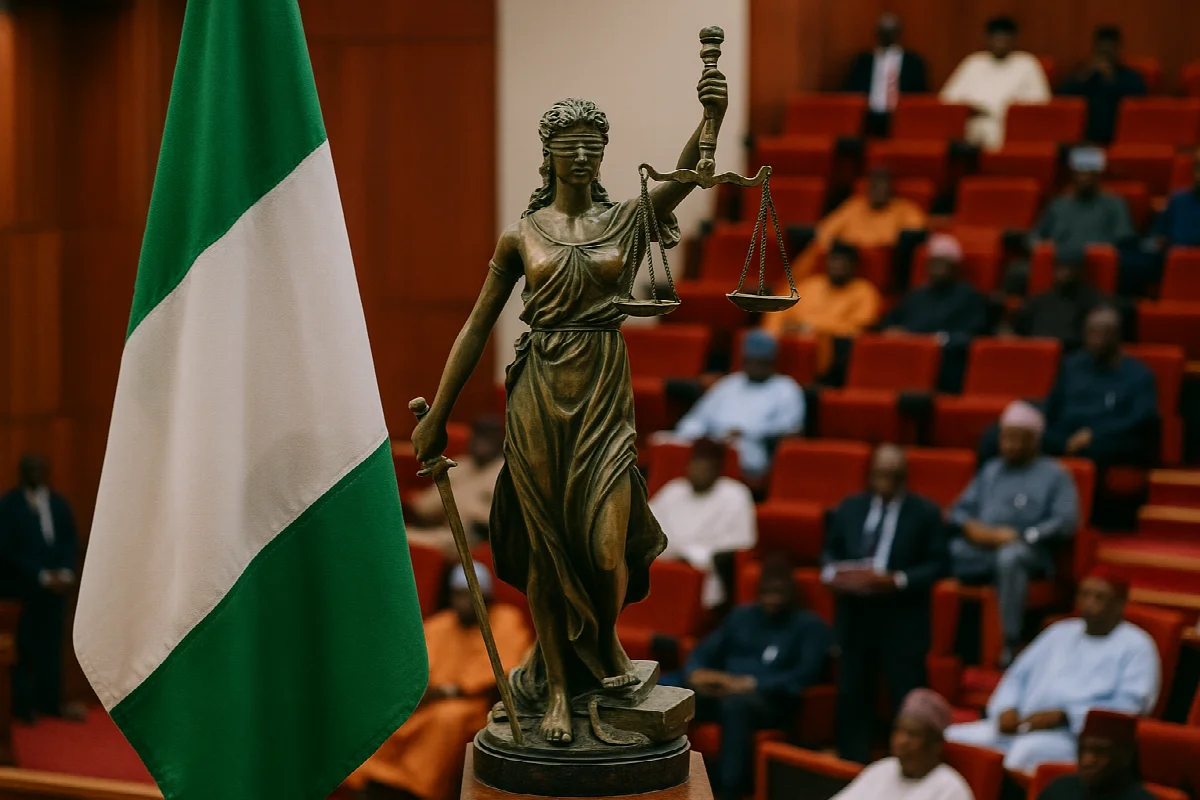
Meanwhile, concerns about legislative independence have been amplified by a critical assessment of the 10th Senate. A Vanguard News analysis titled "The Senate that cannot say nay" highlights how the chamber, under Senate President Godswill Akpabio, has introduced 844 bills within two years—a figure presented as a measure of productivity. However, the report warns that this legislative output masks a deeper erosion of democratic checks and balances. The Senate, it argues, has increasingly functioned as a political vassal to the executive, raising alarms about the weakening of institutional oversight.
Parallel scrutiny has emerged over the financial conduct of regional development bodies. The South East Development Commission (SEDC) is embroiled in controversy over its spending practices, reigniting broader concerns about accountability in Nigeria’s zonal development commissions. As Vanguard News notes in its editorial "Holding the Development Commissions accountable", these agencies were established to drive regional development, not to enable bureaucratic excess or questionable expenditures. Without robust oversight, critics argue, such institutions risk becoming instruments of patronage rather than engines of growth.
Together, these developments reflect a complex political landscape in which institutional integrity, legal clarity, and fiscal accountability are being tested ahead of the 2027 elections. The interplay between party politics, legislative conduct, and regional governance will likely shape Nigeria’s democratic resilience in the coming years.