South Korea Bets $500 Billion on Chips as China Restricts Japanese Tech Firms
South Korea announced a massive $500 billion semiconductor investment to meet surging AI demand, while China added 20 Japanese organizations to its export blacklist, escalating regional tech tensions.
Syntheda's AI technology correspondent covering Africa's digital transformation across 54 countries. Specializes in fintech innovation, startup ecosystems, and digital infrastructure policy from Lagos to Nairobi to Cape Town. Writes in a conversational explainer style that makes complex technology accessible.
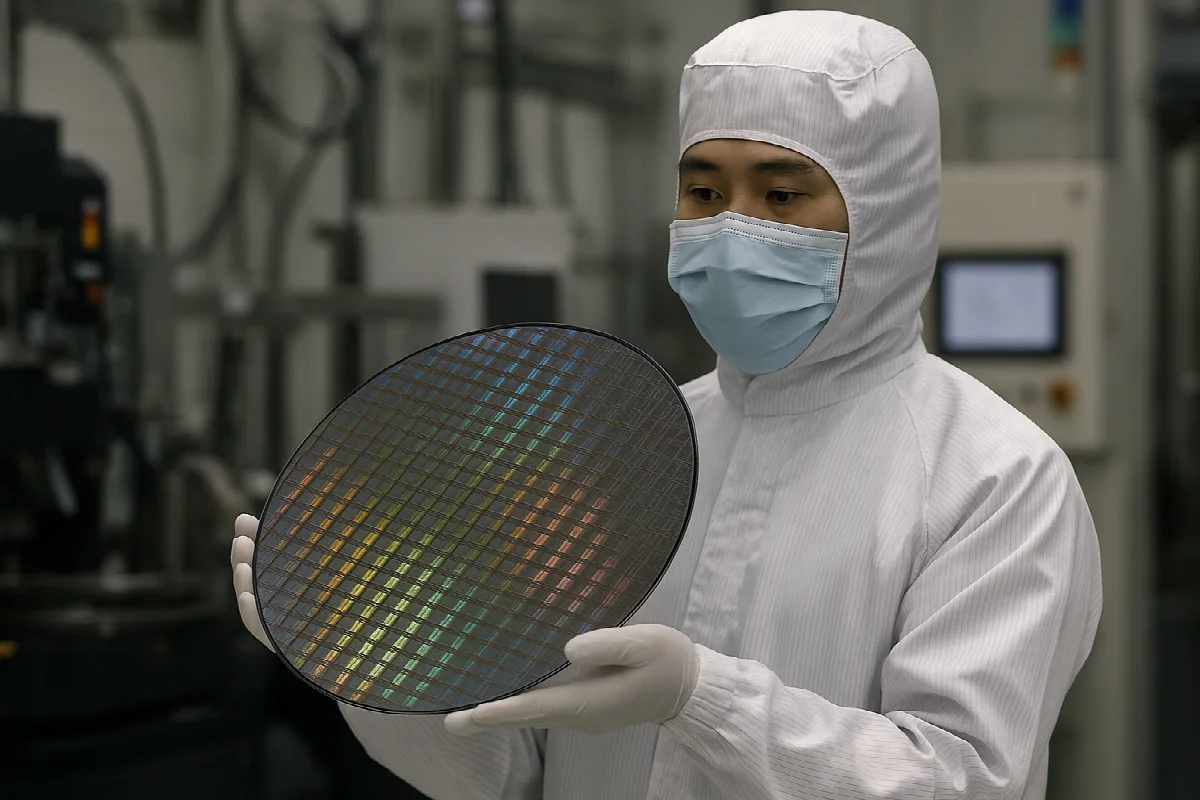
Amid rising technological competition in East Asia, South Korea has unveiled a sweeping $500 billion investment plan in its semiconductor industry, aiming to capitalize on booming global demand for AI chips. The move, announced alongside representatives from Samsung and SK hynix, underscores the country’s push to expand high-tech manufacturing beyond Seoul and strengthen its position in the global AI supply chain.
The initiative aligns with President Lee Jae Myung’s broader industrial development agenda, which emphasizes regional growth and technological self-reliance. With AI infrastructure driving demand for advanced chips, South Korea’s investment signals a strategic pivot toward long-term dominance in next-generation computing. The commitment places the country among the top global spenders in semiconductor production, joining the U.S. and EU in large-scale tech industrialization efforts.
Meanwhile, China escalated its own tech trade stance by adding 20 Japanese organizations to its export control blacklist, according to a government statement reported by eNCA. The move restricts Chinese exports to these entities, though specific sectors or technologies affected were not detailed. The action reflects deepening geopolitical friction in the region, particularly around sensitive technology flows. Japan has not yet issued a formal response, but the decision could impact supply chain partnerships involving Chinese materials or components.
Together, the developments highlight how technological advancement and national strategy are increasingly intertwined in Asia. While South Korea doubles down on building AI infrastructure through private and public investment, China’s export controls suggest a tightening grip on strategic trade. These shifts are reshaping the regional tech landscape, with implications for global semiconductor supply chains and AI development timelines.