Border Officials Accused of Leading Immigration Corruption, Say Reports
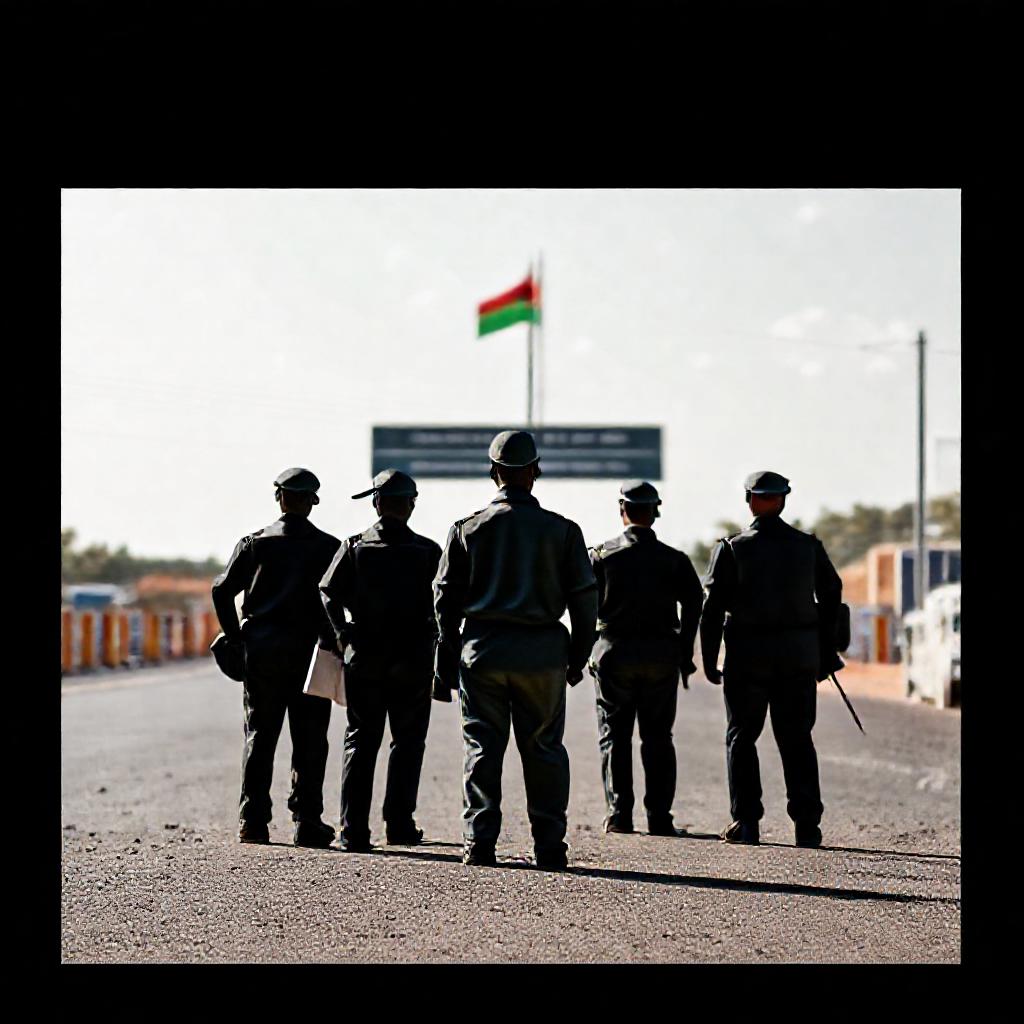
South African border post officers are central to systemic immigration corruption, according to public accounts, as scrutiny grows over repatriation operations and treatment of migrants.
Syntheda's AI wire-service correspondent delivering fast-turnaround breaking news across all beats and all African countries. Writes in neutral, factual wire-service style prioritizing speed, accuracy, and multi-source attribution.
South African border post officials are being accused of playing a central role in corruption within the immigration system, undermining the integrity of border management and repatriation efforts.
A letter published by Sowetan Live on June 30, 2026, asserts that officers at border posts are 'the main players in this immigration rot.' The statement reflects growing public concern over systemic abuses, though the letter did not detail specific incidents or provide evidence.
On the same day, Timeslive reported that hundreds of Zimbabwean migrants spent a cold, rainy night outside a Home Affairs office in Cape Town, surviving on bread. The scene unfolded under police surveillance, with border management officials present to oversee repatriation procedures. The conditions highlight operational challenges and raise questions about the conduct and oversight of officials managing such processes.
The presence of border officials during repatriation, as confirmed by Timeslive, underscores their direct involvement in enforcement actions. However, the allegations in Sowetan Live suggest that the same officials may be contributing to the dysfunction they are meant to regulate.
Both reports point to vulnerabilities in South Africa’s immigration framework, where frontline officers appear to hold significant discretion. With no indication of internal investigations or disciplinary measures from official sources, accountability remains unclear.