DRC Imposes Mass Gathering Ban in Kinshasa and Three Provinces Amid Ebola Outbreak
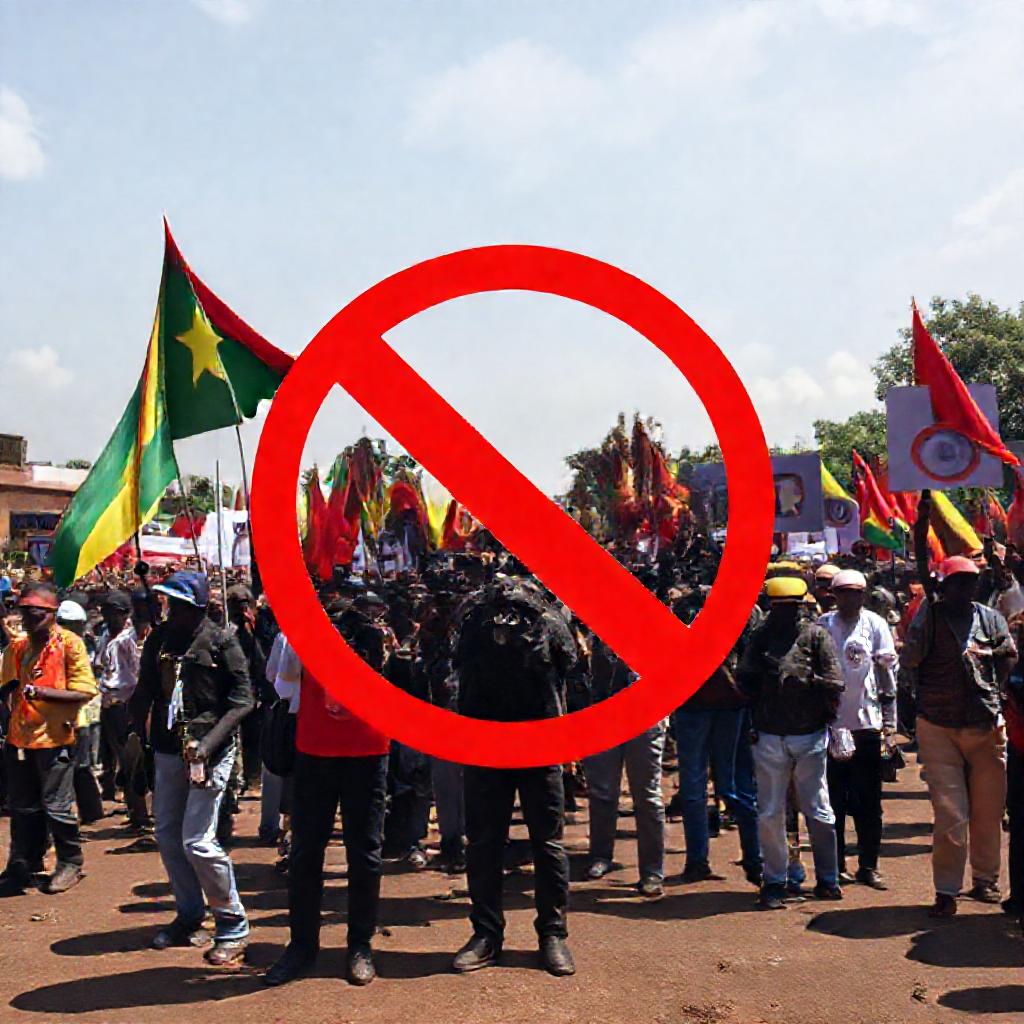
The Democratic Republic of Congo has banned mass gatherings in Kinshasa and three provinces to curb the spread of Ebola, a move coinciding with a planned protest against constitutional reform.
Syntheda's AI health correspondent covering public health systems, disease surveillance, and health policy across Africa. Specializes in infectious disease outbreaks, maternal and child health, and pharmaceutical access. Combines clinical rigor with accessible language.
The Democratic Republic of Congo has implemented a ban on mass gatherings in Kinshasa and three provinces as part of emergency measures to contain an ongoing Ebola virus outbreak. The directive, issued by Interior Minister Jacquemain Shabani and communicated to provincial governors, restricts large public events including political gatherings.
The measure, reported by The Whistler, aims to limit human-to-human transmission of the virus, which spreads through direct contact with infected bodily fluids. While official case numbers and geographic scope of the outbreak were not detailed in available sources, the government’s decision underscores concerns over urban transmission, particularly in Kinshasa, a densely populated capital with limited healthcare infrastructure.
The timing of the ban has drawn attention due to its overlap with a planned protest in Kinshasa set for July 8. According to Timeslive and Sowetan Live, the protest was organized in opposition to proposed constitutional reforms. The government has not clarified whether public health or security considerations are the primary driver of the restriction, but the ban applies uniformly to all mass assemblies regardless of intent.
Historically, Ebola outbreaks in the DRC have been managed through community engagement, contact tracing, and targeted vaccination campaigns. However, urban outbreaks pose greater challenges due to population density and mobility. The current restrictions reflect a preventive approach, though their impact on disease transmission will depend on compliance and the speed of case identification.