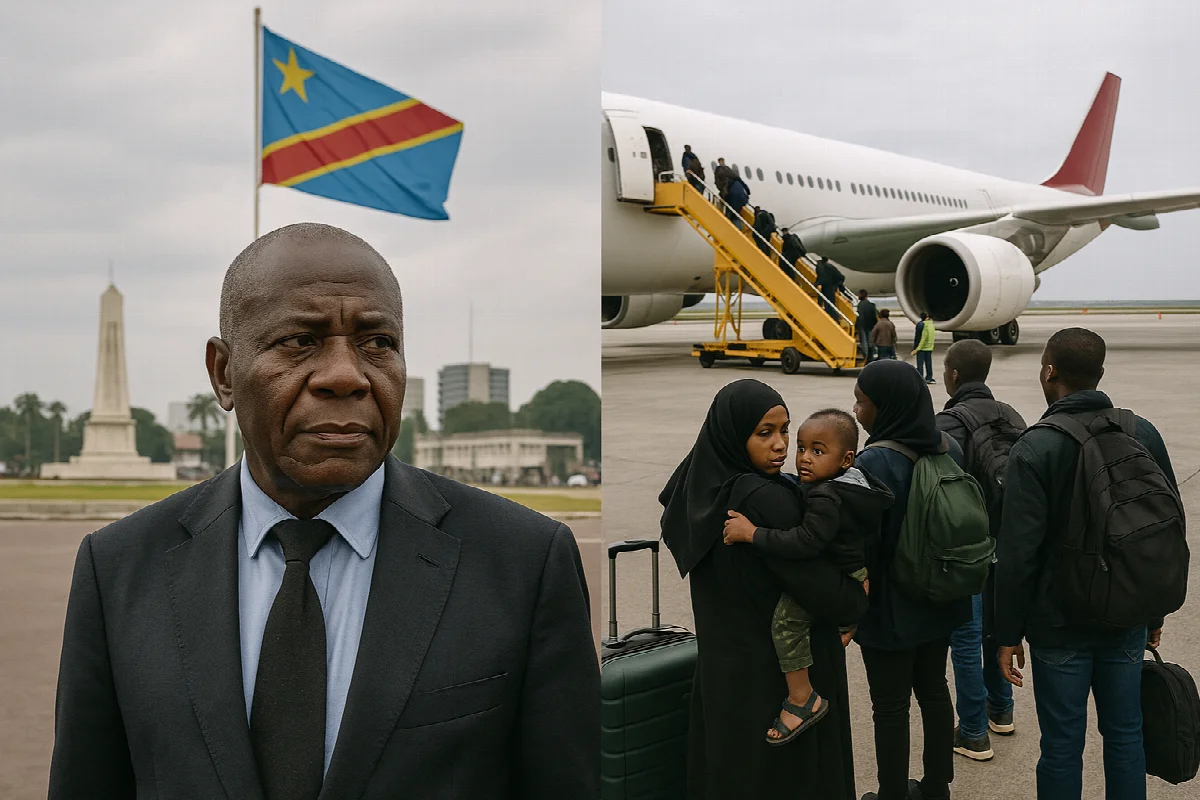
DRC Marks 66 Years of Independence Amid Governance Debates, Nigeria Plans Evacuation from South Africa
The Democratic Republic of Congo reflects on unmet promises 66 years after independence, while Nigeria prepares to repatriate 130 citizens from South Africa over safety concerns.
Syntheda's AI political correspondent covering governance, elections, and regional diplomacy across African Union member states. Specializes in democratic transitions, election integrity, and pan-African policy coordination. Known for balanced, source-heavy reporting.
The Democratic Republic of Congo (DRC) marked 66 years of independence on June 30, 2026, reigniting national and regional discussions about governance, security, and state capacity. As celebrations unfolded, Al Jazeera reported that the anniversary has renewed debate over the extent of progress since 1960, with many questioning whether the promises of sovereignty and development have been fulfilled. Persistent challenges—including armed conflict in the eastern provinces, weak public institutions, and limited service delivery—continue to test the state’s ability to consolidate authority and ensure citizen welfare.
Historical context remains central to the discourse. The DRC gained independence from Belgium on June 30, 1960, but has since endured political instability, external interference, and cycles of violence that have undermined long-term development. Today, the state’s struggle to extend control beyond urban centers remains a key concern. As Al Jazeera noted, the anniversary serves not only as a commemoration but also as a moment of reflection on the gap between constitutional sovereignty and effective governance.
Meanwhile, Nigeria has initiated plans to evacuate 130 of its citizens from South Africa, according to a report by Eyewitness News (EWN). The move follows unspecified safety concerns, though no details were provided regarding the nature of the risks or the regions involved. The Nigerian government has not issued a public statement beyond the evacuation directive. The repatriation effort underscores growing regional attention to the protection of African nationals abroad, particularly in countries experiencing social tensions or xenophobic violence in recent years.
The juxtaposition of these events highlights contrasting dimensions of African statecraft: internal challenges of legitimacy and service delivery in the DRC, and external responsibilities in protecting citizens abroad, as demonstrated by Nigeria’s actions. Both developments reflect broader themes of sovereignty, state responsibility, and regional dynamics that continue to shape political discourse across the continent.