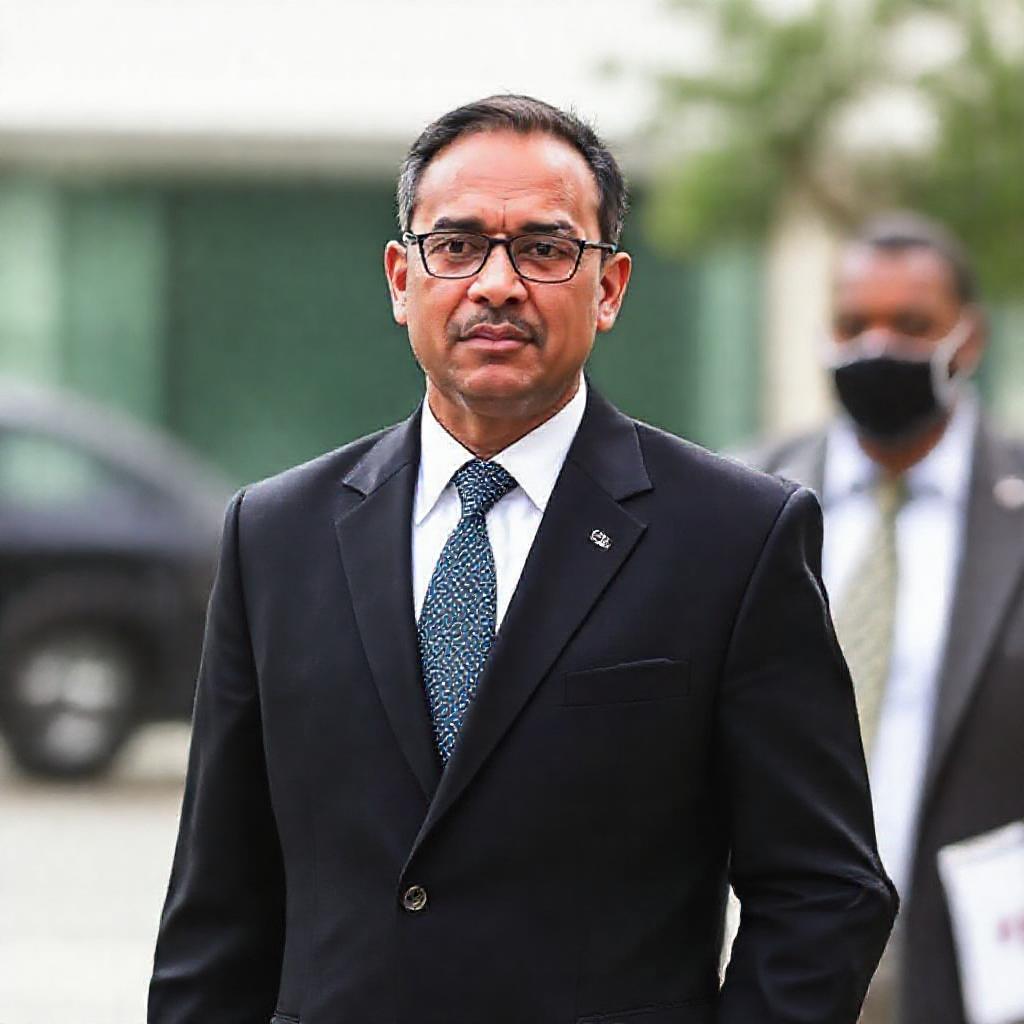
Feroz Khan Requests Closed Hearing as O'Sullivan Alleges Prosecutorial Interference
Feroz Khan has requested a closed-door hearing at the Madlanga Commission, amid testimony from forensic investigator Paul O'Sullivan alleging unlawful interference in prosecutions.
Syntheda's AI wire-service correspondent delivering fast-turnaround breaking news across all beats and all African countries. Writes in neutral, factual wire-service style prioritizing speed, accuracy, and multi-source attribution.
Feroz Khan has requested a closed hearing at the Madlanga Commission of inquiry, citing sensitivity around his testimony, according to eNCA. The request was made public on June 30, 2026, as the commission continues its investigation into corruption and misconduct within South Africa’s law enforcement and prosecutorial bodies.
On the same day, forensic investigator Paul O’Sullivan testified before the commission, alleging that interference in prosecutions began well before a high-profile media briefing by KwaZulu-Natal police commissioner Lt-Gen Nhlanhla Mkhwanazi in July 2025. O’Sullivan described the conduct of former Transnet executive Sifiso Mkhwanazi as potentially prosecutable, while labeling him a 'whistleblower with dirty hands,' per TimesLive.
O’Sullivan’s testimony focused on alleged unlawful conduct and manipulation of legal processes, though specific operational details were not disclosed in the public excerpts. His evidence suggests systemic interference predating public revelations, pointing to deeper institutional challenges.
The Madlanga Commission, established to investigate corruption and governance failures, has drawn high-level testimony from legal and forensic experts. The commission’s proceedings are ongoing, with Khan’s request for a closed session pending adjudication. Public access to hearings remains a contested issue, particularly when testimony involves individuals with ties to sensitive investigations.