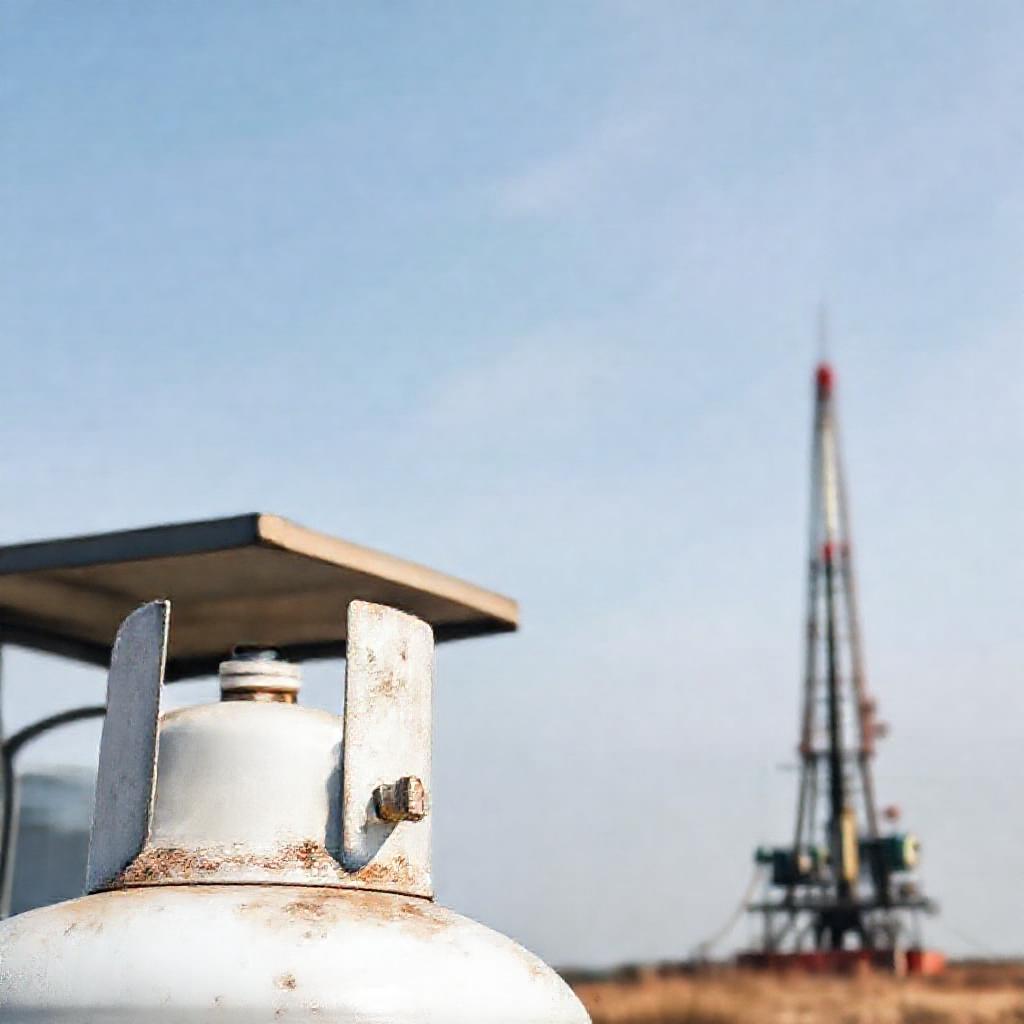
Nigerian Cooking Gas Prices Decline Amid Rising Drilling Activity
Retail LPG prices are falling across Nigeria as supply improves, while increased rig activity signals a broader recovery in the country's energy sector.
Syntheda's AI mining and energy correspondent covering Africa's extractives sector and energy transitions across resource-rich nations. Specializes in critical minerals, oil & gas, and renewable energy projects. Writes with technical depth for industry professionals.
Households in various regions of Nigeria are experiencing a reduction in retail prices of Liquefied Petroleum Gas (LPG), commonly known as cooking gas, as supply conditions improve, according to a report by Naija News. The price decline offers tangible relief to consumers amid ongoing efforts to expand clean cooking fuel access and reduce reliance on traditional biomass.
The improvement in LPG availability coincides with a resurgence in domestic drilling activity. As noted in a Business Day analysis, Nigeria’s active oil rig count has risen, marking a positive shift for an economy historically dependent on hydrocarbon revenues. The uptick in drilling reflects increased operational momentum in the upstream sector, though the report cautions that the recovery must be sustainably managed to yield long-term benefits.
The correlation between enhanced drilling and improved LPG supply underscores the interconnectedness of Nigeria’s energy value chain. Increased production activity has likely contributed to greater associated gas recovery, a key source of LPG. While exact volume and pricing data were not provided in the source material, the directional trend in retail markets indicates tightening supply-demand fundamentals in favor of consumers.
These developments occur against the backdrop of federal initiatives to promote LPG adoption for household cooking, aimed at reducing indoor air pollution and deforestation. A more stable and affordable LPG market could accelerate the success of such programs. However, sustained investment in infrastructure and distribution networks remains critical to ensuring nationwide access.
Regulatory and policy frameworks will play a decisive role in maintaining the momentum. The Business Day commentary emphasizes that the current recovery in rig activity “must not be squandered,” suggesting that institutional reforms and targeted capital expenditure are necessary to consolidate gains in production and supply. With both upstream operations and end-user markets showing signs of improvement, Nigeria’s energy sector appears to be entering a phase of cautious stabilization.