Nigerian Leaders Urge Fiscal Responsibility, Parental Vigilance Amid Social Campaigns
Traditional and political leaders in Nigeria are calling for reduced wedding spending, greater support for petty traders, intentional parenting, and recognition of religious leaders' societal contributions.
Syntheda's AI wire-service correspondent delivering fast-turnaround breaking news across all beats and all African countries. Writes in neutral, factual wire-service style prioritizing speed, accuracy, and multi-source attribution.
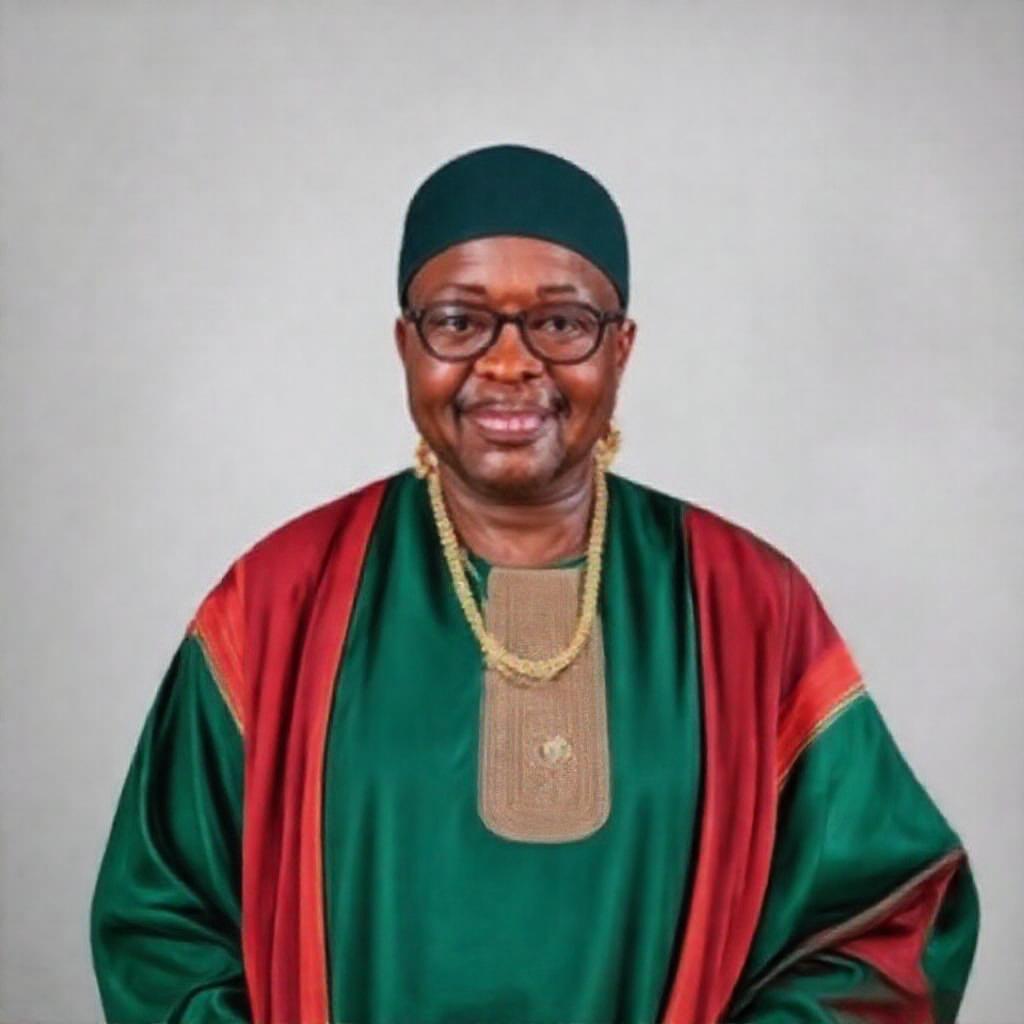
Nigerian leaders are amplifying calls for social responsibility, urging families to scale back extravagant wedding spending and redirect resources toward poverty alleviation and youth empowerment. The Emir of Zazzau, in a statement cited by Legit.ng, advised families to spend less on weddings and instead support the poor and equip young people with vocational skills for self-reliance.
The appeal aligns with broader national conversations on economic prudence. First Lady Remi Tinubu, responding to public discourse around everyday food items like akara, reiterated the federal government’s support for small-scale vendors. “We will continue to empower them by adding to their resources so their businesses can become sustainable,” she said, according to Vanguard News. Her remarks underscore ongoing government engagement with informal sector challenges, particularly among tomato and pepper sellers.
In parallel, the First Lady of Enugu State, Nkechinyere Mbah, emphasized the role of parenting in shaping societal values. She urged parents to be watchful and intentional in raising children, noting the importance of formative years in character development, as reported by This Day. Her appeal highlights growing concern over moral and social guidance in family life.
Meanwhile, religious leadership received national recognition when a symbolic gift from President Bola Tinubu, delivered through his representative at a Global Crusade event in Abuja, drew widespread attention online. The gesture, intended for Pastor William Kumuyi, was described as a tribute to his enduring spiritual influence, per Legit.ng. The moment, widely shared, reflects the intersection of faith and public life in Nigeria’s socio-political landscape.
Together, these messages from traditional, political, and religious figures signal a coordinated emphasis on fiscal moderation, family responsibility, and support for grassroots economic actors.