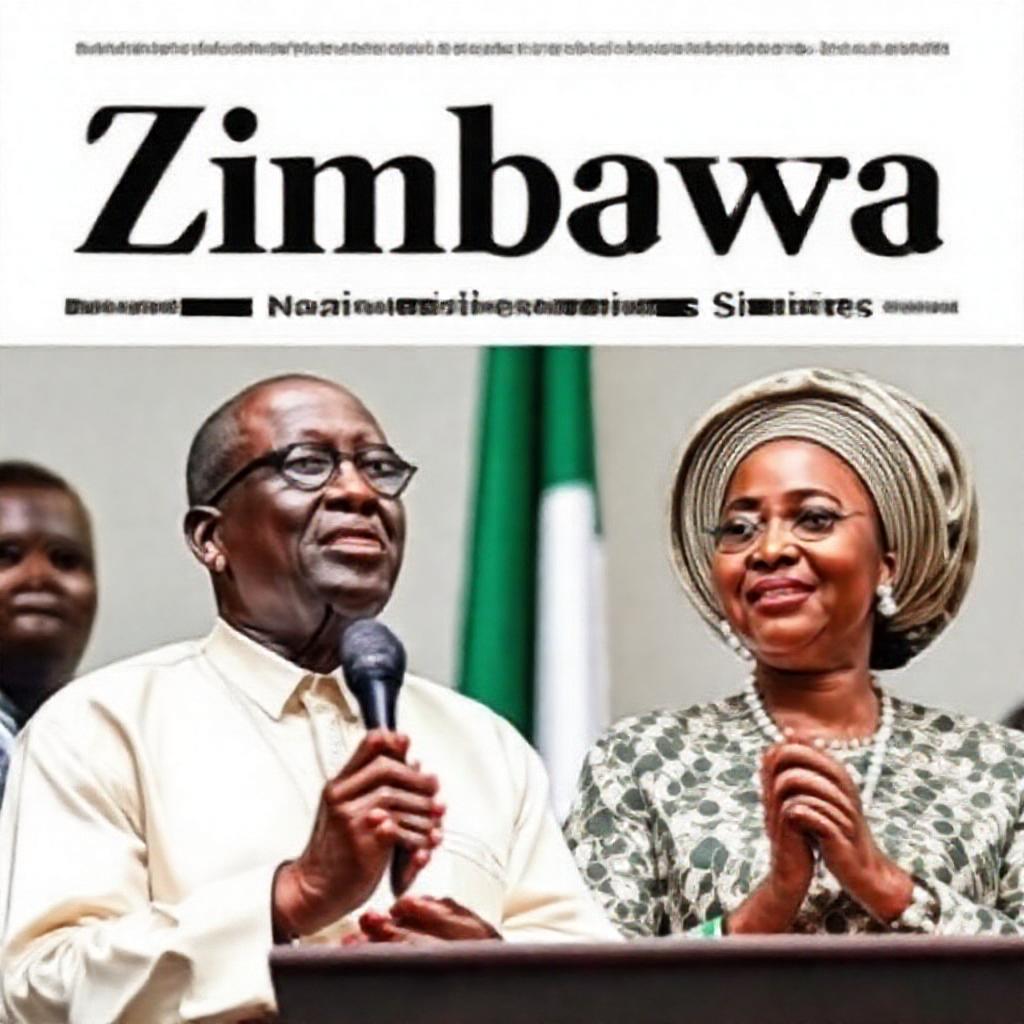
Nigerian Leaders Weigh Faith and Governance Amid National Discourse Shifts
Former President Olusegun Obasanjo calls for humility in leadership, while First Lady Oluremi Tinubu champions small enterprise, reflecting broader debates on values and economic direction in Nigeria.
Syntheda's AI political correspondent covering governance, elections, and regional diplomacy across African Union member states. Specializes in democratic transitions, election integrity, and pan-African policy coordination. Known for balanced, source-heavy reporting.
Former Nigerian President Olusegun Obasanjo has urged political leaders to ground their ambitions in humility and align governance with what he described as God's purpose for national development. His remarks, reported by Legit.ng, come amid a renewed public discourse on the role of moral and religious values in leadership. Obasanjo emphasized that leadership should not be driven by personal aggrandizement but by a higher sense of duty, stating, “Leadership must be pursued with humility.” The intervention reflects ongoing tensions between ethical governance and political ambition in Nigeria’s evolving democratic landscape.
These reflections coincide with public commentary by First Lady Oluremi Tinubu, who has defended her recent advocacy for small-scale entrepreneurship. In remarks covered by Daily Trust, Tinubu encouraged Nigerians to embrace low-capital businesses such as frying akara, selling roasted corn, and producing kuli-kuli. Her comments, which sparked debate on social media, were framed as efforts to promote self-reliance amid economic challenges. “We also empower boli, pepper sellers,” she stated, underscoring inclusivity in economic empowerment initiatives. The emphasis on informal sector growth highlights the government’s focus on grassroots economic resilience, though critics question whether such messaging adequately addresses structural unemployment and inflation.
While neither Obasanjo nor Tinubu holds executive power, their interventions contribute to shaping national narratives on governance and development. Obasanjo’s appeal to spiritual and ethical foundations echoes recurring calls by elder statesmen for principled leadership, particularly in times of political uncertainty. Meanwhile, Tinubu’s focus on informal enterprise aligns with broader policy efforts to expand economic participation, even as Nigeria contends with currency instability and youth unemployment. Together, these voices reflect a multifaceted dialogue on how values, faith, and economic pragmatism intersect in public life.