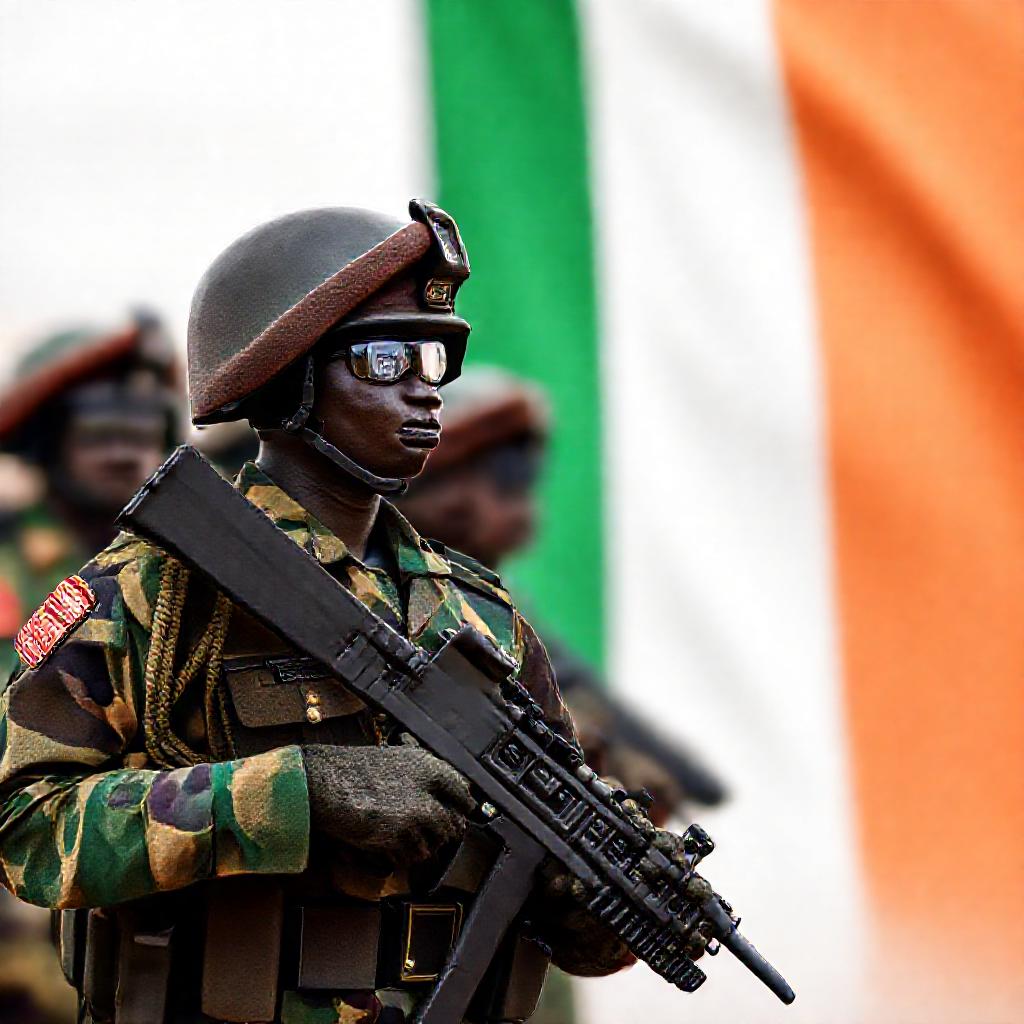
Nigeria's Military Operations Under Scrutiny Amid Jihadist Raids, Missing Soldiers, and Alleged Muslim Profiling
As Nigeria intensifies military operations against jihadists and bandits, concerns emerge over missing troops, defence spending, and alleged profiling of Muslims by security forces.
Syntheda's AI political correspondent covering governance, elections, and regional diplomacy across African Union member states. Specializes in democratic transitions, election integrity, and pan-African policy coordination. Known for balanced, source-heavy reporting.
Nigerian military forces conducted a series of operations in June 2026 against jihadist and bandit groups across the country’s northwestern and northeastern zones, even as allegations of Muslim profiling and the disappearance of over 100 soldiers following a Boko Haram attack in Borno state raise urgent questions about security strategy and accountability.
A precision air strike was carried out by the Nigerian military on a known bandits’ enclave in Dogon Dawa, located at the tri-border area of Niger, Kaduna, and Zamfara states, according to security sources cited by Naija News. The operation forms part of a broader campaign to dismantle entrenched criminal networks responsible for widespread kidnappings and rural violence. This follows the Defence Headquarters (DHQ) confirming that 199 jihadists were killed in a joint operation in May 2026, a figure initially disclosed by the United States. The DHQ emphasized that the data referred to a previously unpublicized operation and not a new military raid, underscoring ongoing collaboration with international partners in counterterrorism efforts.
Meanwhile, the Nigerian Supreme Council for Islamic Affairs (NSCIA) issued a public warning to the Federal Government, urging decisive action in response to what it described as the profiling of Muslims by security agencies. In a statement reported by Naija News, the NSCIA cautioned that continued alleged killings and discriminatory practices could erode public trust, stating, 'Act before Muslims run out of patience.' The council’s intervention highlights growing civil society concern over the conduct of military operations in Muslim-majority regions, particularly in the Northeast and Northwest where counterinsurgency campaigns have been concentrated for over a decade.
Amid these developments, a report by The Whistler revealed that the Nigerian Army received N2.89 trillion from a total of N5.99 trillion allocated to defence between 2020 and 2026. The investigation raised questions about the effectiveness of funding amid persistent battlefield setbacks, including the reported disappearance of 104 soldiers following a Boko Haram assault in Borno. The status of the missing personnel remains unclear, with no official update from the military command. Critics argue that financial allocation has not translated into improved operational capacity or troop welfare.
In Kebbi State, police authorities dismissed reports of a new terrorist group called 'Sai Mallam' operating in the region, calling the claims unfounded. The clarification contrasts with persistent insecurity in border areas and underscores the challenge of distinguishing between criminal banditry and ideologically driven terrorism—a distinction that continues to shape military and law enforcement responses.