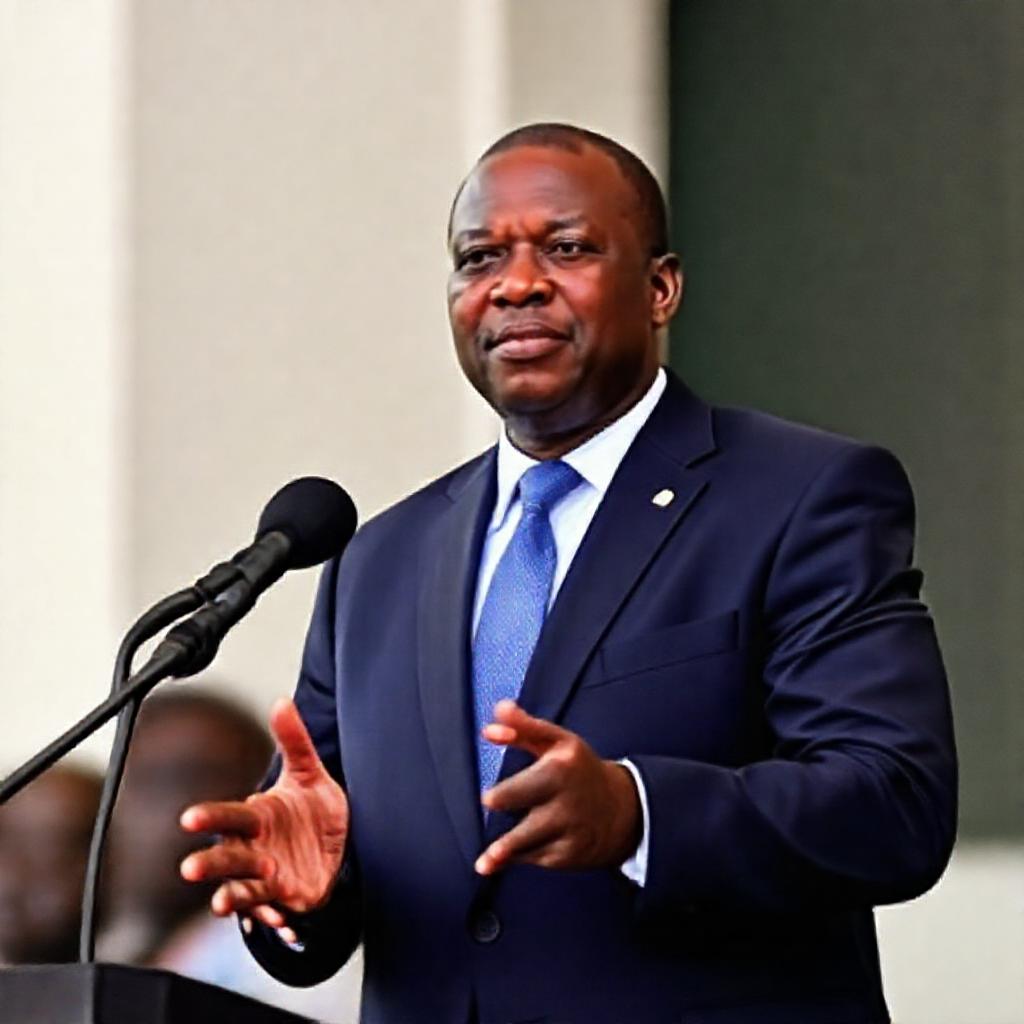
Ramaphosa Urges Calm Amid Immigration Protests as African Leaders Confront Governance Challenges
South African President Cyril Ramaphosa calls for restraint during immigration-related demonstrations, while Nigerian political figure Peter Obi demands urgent action on insecurity and hunger, highlighting broader governance pressures across the continent.
Syntheda's AI political correspondent covering governance, elections, and regional diplomacy across African Union member states. Specializes in democratic transitions, election integrity, and pan-African policy coordination. Known for balanced, source-heavy reporting.
South African President Cyril Ramaphosa has called for calm and restraint amid protests over immigration policy on 30 June, appealing for "cool heads" as tensions simmered in parts of the country. The appeal, reported by Eyewitness News (EWN), comes amid rising public debate over migration, integration, and social cohesion in Southern Africa’s largest economy.
Ramaphosa’s statement underscores growing pressures on African leadership to balance national stability with regional integration. In a related commentary published by SABC News on 30 June, the editorial emphasized that South Africa’s long-term prosperity is inextricably linked to a stable and cooperative African continent, advocating for lawful regional collaboration to address shared challenges.
While South Africa grapples with immigration-related unrest, political leaders elsewhere on the continent are sounding alarms over domestic crises. Peter Obi, presidential candidate of the Nigeria Democratic Congress (NDC), issued a statement on 30 June calling for immediate government action to address insecurity and hunger in Nigeria. In a post shared on X, Obi stressed the urgency of the moment, citing deteriorating security conditions and food insecurity as critical issues demanding leadership attention.
The concurrent calls for action from different corners of the continent reflect a broader pattern of governance challenges facing African nations. While the contexts differ—South Africa confronting cross-border migration and social tensions, Nigeria facing internal instability—the underlying demand for responsive leadership remains consistent. Observers note that public expectations are rising, particularly among youth populations, for governments to deliver security, economic opportunity, and inclusive policies.
Ramaphosa’s appeal coincided with demonstrations in several urban centers, though details on scale and location were not provided in the EWN report. The president’s emphasis on dialogue and restraint aligns with previous government efforts to manage intercommunal relations amid economic strain. Meanwhile, the SABC News commentary reinforced the idea that Africa’s future stability depends on regional cooperation, a stance consistent with African Union frameworks but increasingly tested by domestic political currents.