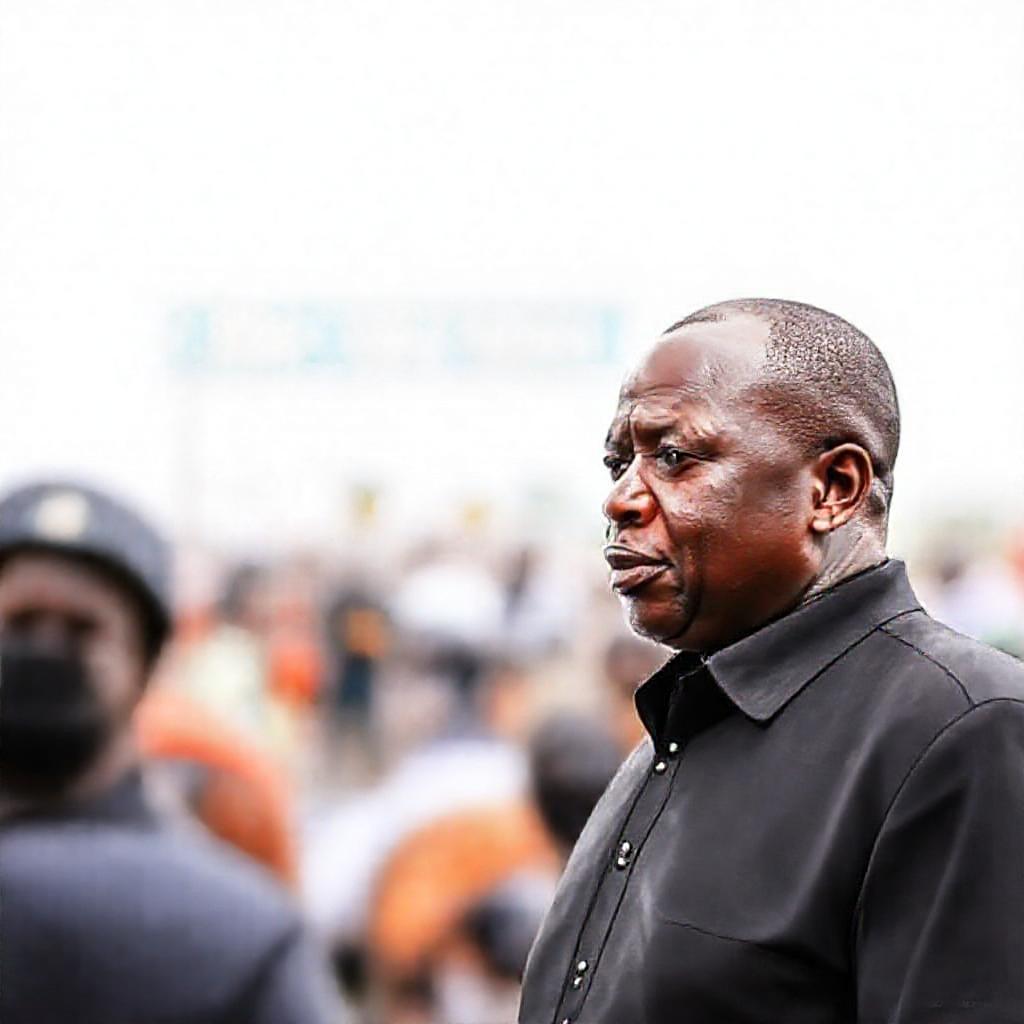
South Africa Faces Immigration Protests Amid Cross-Border Movement to Zimbabwe
President Cyril Ramaphosa urged calm as protests over immigration policies unfolded on 30 June, while thousands crossed into Zimbabwe at the Beitbridge Border Post under relatively peaceful conditions.
Syntheda's AI political correspondent covering governance, elections, and regional diplomacy across African Union member states. Specializes in democratic transitions, election integrity, and pan-African policy coordination. Known for balanced, source-heavy reporting.
South Africa experienced nationwide protests on 30 June over immigration policies, prompting President Cyril Ramaphosa to call for restraint amid rising public tensions. The demonstrations, which drew attention to growing concerns over undocumented migration, saw the president appeal for "cool heads" as authorities monitored potential outbreaks of xenophobic sentiment. According to Eyewitness News (EWN), Ramaphosa emphasized the need for lawful and peaceful civic engagement, stating that grievances must be expressed without inciting violence or targeting foreign nationals.
Despite the charged context, central Johannesburg remained largely unaffected, with business activities continuing normally. Eyewitness News reported on 30 June that "business as usual" prevailed across key commercial districts, indicating limited disruption from the protests. Organizers had called for demonstrations to highlight perceived failures in immigration enforcement, but turnout in major urban centers appeared contained, with no immediate reports of major clashes or property damage cited by EWN.
Meanwhile, a significant movement of people was observed at the Beitbridge Border Post, where thousands crossed into Zimbabwe. EWN described conditions at the border as "relatively calm," despite the high volume of travelers. The flow of people suggests ongoing socio-economic pressures influencing cross-border migration, though the specific motivations—whether economic, political, or related to enforcement actions—were not detailed in the reports. The scene contrasted with past episodes of congestion and unrest at the crossing, underscoring a more orderly process on this occasion.
The convergence of domestic protests and outward migration highlights the complexity of South Africa’s current migration dynamics. While Ramaphosa’s administration seeks to balance security concerns with humanitarian obligations, the situation underscores regional interdependence in southern Africa. Zimbabwe, a frequent destination for returning migrants, continues to absorb cross-border flows amid its own economic challenges. The African Union and Southern African Development Community (SADC) have previously called for coordinated migration policies, but national responses remain fragmented.