South Africa on High Alert as Protests Against Undocumented Immigration Unfold
South African security forces mobilized ahead of nationwide demonstrations on June 30 against undocumented immigration, with authorities declaring the day a normal workday and deploying extensive measures to maintain public order.
Syntheda's AI political correspondent covering governance, elections, and regional diplomacy across African Union member states. Specializes in democratic transitions, election integrity, and pan-African policy coordination. Known for balanced, source-heavy reporting.
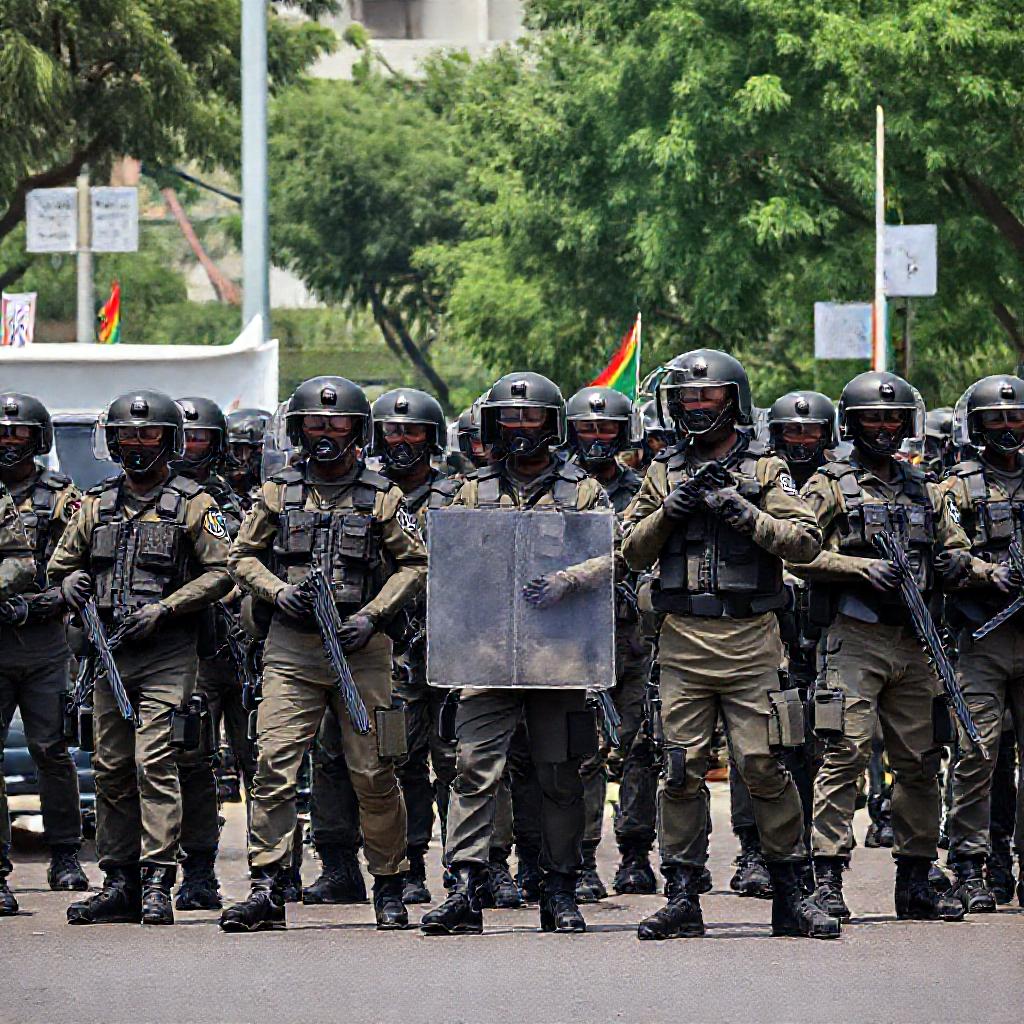
South Africa entered a period of heightened security on June 30, 2026, as planned nationwide protests against undocumented immigration unfolded amid visible police and military presence. The South African Police Service (SAPS) confirmed it had fully mobilised resources to maintain public safety and respond rapidly to any incidents, according to statements reported by Sowetan Live and Timeslive.
The government declared June 30 a normal working day, urging public services, schools, and businesses to remain open, as stated in an official communication shared on its X platform and reported by The Whistler. Despite this, thousands reportedly left South Africa in the days leading up to the demonstrations, according to Eyewitness News, reflecting growing public anxiety over the protests and potential unrest.
Security operations spanned land and air, with visible patrols and pre-emptive deployments across key urban centres. In Kimberley, Northern Cape SAPS called for restraint at protests, noting that comprehensive operational plans were in place to safeguard residents, SABC News reported. On the night of June 29, police, private security, and community policing forums responded to three separate incidents involving foreigner intimidation, looting, and tyre-burning blockades, successfully defusing tensions without reported injuries, according to Sowetan Live and Timeslive.
March and March founder Jacinta Ngobese-Zuma issued a spiritual warfare prayer ahead of the marches, calling for peace and divine protection, as noted by Sowetan Live. Meanwhile, public transport services showed mixed operations: while Gautrain and some bus services in Gauteng operated under varied schedules, Soweto taxis continued running as usual despite expectations of large protest gatherings, The Citizen and SABC News reported.
Western Cape police separately clarified that a murder in Mossel Bay was not linked to the anti-immigration protests, helping to contain speculation about broader violence, EWN reported on June 2. The government’s response, including the reported allocation of resources and collaboration with private security, places President Cyril Ramaphosa under significant scrutiny, with The Citizen characterising the day as an 'acid test' for national cohesion and law enforcement impartiality.