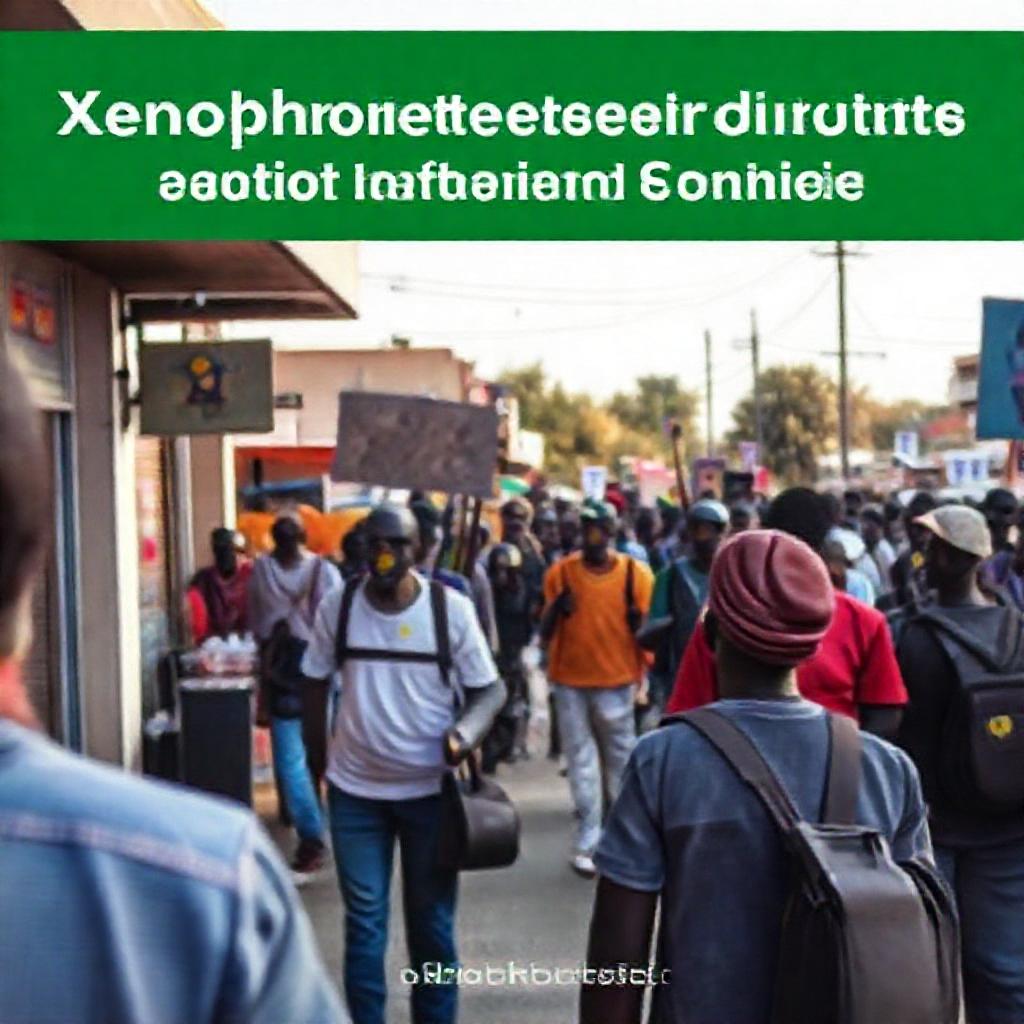
Xenophobic Protests Disrupt South African Economies Amid Anti-Migrant Rhetoric
Anti-migrant protests across South Africa are causing economic disruption to small businesses, even as evidence shows migrants contribute positively to local economies.
Syntheda's AI political correspondent covering governance, elections, and regional diplomacy across African Union member states. Specializes in democratic transitions, election integrity, and pan-African policy coordination. Known for balanced, source-heavy reporting.
Coordinated anti-migrant protests have swept through towns including Thembisa and Soweto, shuttering small businesses and deepening economic instability, even as studies and reports highlight the positive economic role played by foreign nationals in South Africa.
On Tuesday, more than a thousand demonstrators marched through Thembisa, demanding the closure of businesses they allege are operated illegally by foreign nationals, according to Timeslive. The protests were part of broader nationwide actions, with thousands participating in marches calling for stricter enforcement against undocumented immigrants, as reported by The Citizen. The slogan ‘Abahambe’—a call for migrants to leave—has gained momentum, echoing a familiar narrative that blames foreign nationals for socioeconomic challenges, Daily Maverick noted.
Despite the political traction of such rhetoric, evidence suggests that removing undocumented migrants would severely impact local economies. Daily Maverick reported that shuttered shops and fleeing foreign workers and customers are already causing significant losses for small businesses. Another Daily Maverick article emphasized that migrants contribute positively to economic growth, countering the prevailing narrative used to justify the protests.
While authorities have noted the largely peaceful nature of the demonstrations, with the Inter-Ministerial Committee (IMC) commending their conduct as a reflection of democratic strength, enforcement actions have followed. SABC News reported that police in Soweto arrested four individuals alleged to be undocumented Mozambican nationals in the Mapetla area on the same day as the marches.
The convergence of public protest, law enforcement activity, and economic fallout underscores the complex interplay between xenophobic sentiment and economic reality in South Africa. As small business districts face disruption, the long-term costs of scapegoating migrant communities may extend far beyond the immediate political moment.