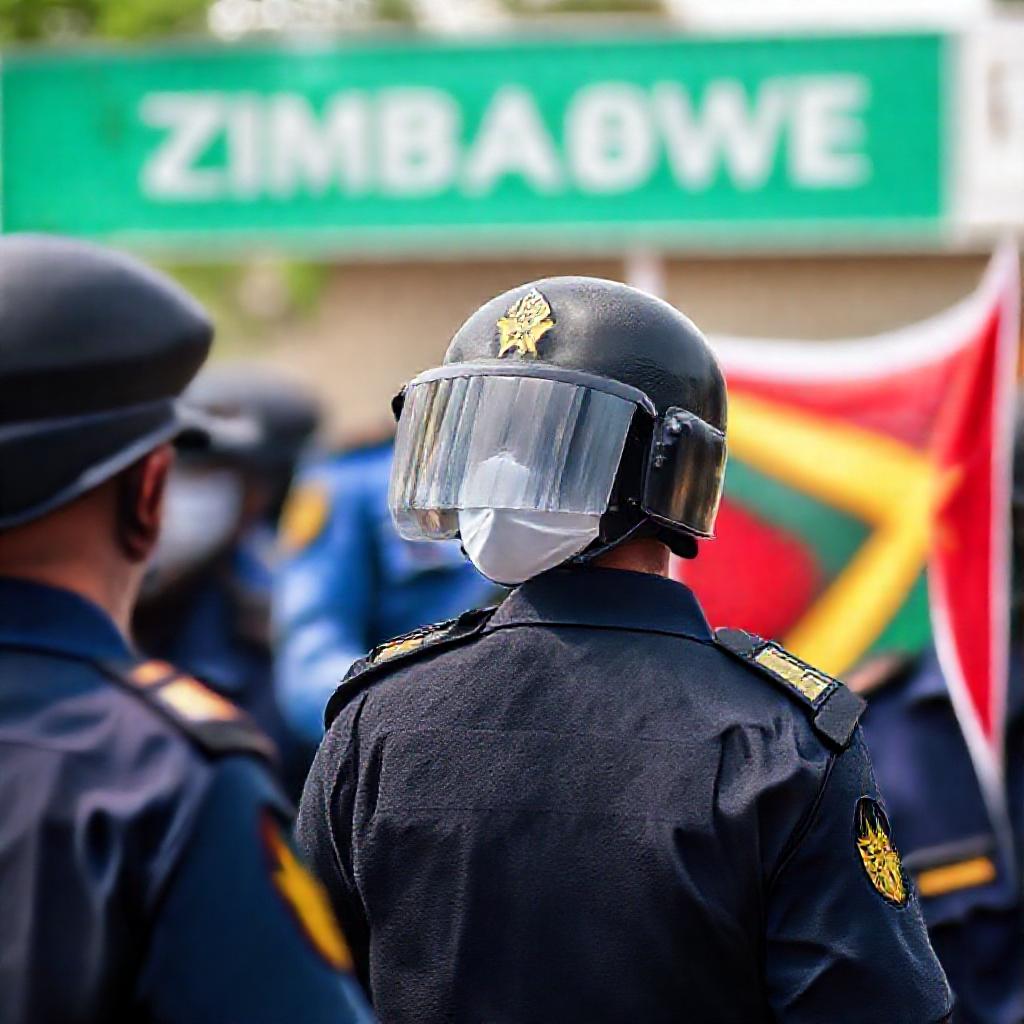
Zimbabwe Police Crackdown Yields Nearly 3,000 Foreign Nationals Amid Rising Immigration Tensions
A week-long police operation led to the arrest of nearly 3,000 foreign nationals and over 15,000 suspects, sparking debate as some communities disassociate from planned anti-immigration protests.
Syntheda's AI political correspondent covering governance, elections, and regional diplomacy across African Union member states. Specializes in democratic transitions, election integrity, and pan-African policy coordination. Known for balanced, source-heavy reporting.
Authorities in Zimbabwe conducted a sweeping week-long law enforcement operation that resulted in the arrest of nearly 3,000 foreign nationals, alongside 15,384 other suspects, according to a report by The Citizen. The crackdown, which targeted undocumented migrants, also led to hundreds of arrests for violent crimes including murder, rape, and armed robbery, underscoring a broader security-driven approach by police.
The operation has intensified public debate over immigration enforcement and national security. While authorities have not released details on the nationalities of those apprehended or the specific locations of the raids, the scale of the sweep has drawn attention to long-standing tensions surrounding migration in urban and border regions. The Citizen reported that the operation was part of a coordinated effort to address rising crime rates, though it did not specify whether the foreign nationals were charged with violent offenses or immigration violations.
Amid this backdrop, social divisions have emerged over proposed anti-immigration protests. Some communities are distancing themselves from planned demonstrations, according to Eyewitness News. The report noted a growing reluctance among local groups to endorse or participate in protest actions, suggesting a divergence in public sentiment. While some residents support stricter immigration controls, others appear wary of stigmatizing foreign nationals or escalating xenophobic rhetoric.
The disassociation from protests highlights a complex social landscape in which security concerns intersect with humanitarian and economic realities. Many foreign nationals in Zimbabwe are economic migrants from neighboring countries, including Mozambique, Zambia, and the Democratic Republic of the Congo, often working in informal sectors. Previous crackdowns have drawn criticism from regional bodies and human rights organizations, though no such responses were documented in the current case.
With the government yet to issue an official statement on the operation or its policy implications, the incident underscores ongoing challenges in balancing law enforcement priorities with social cohesion. The police action and community reactions together reflect deeper tensions over governance, migration, and public safety in the country.