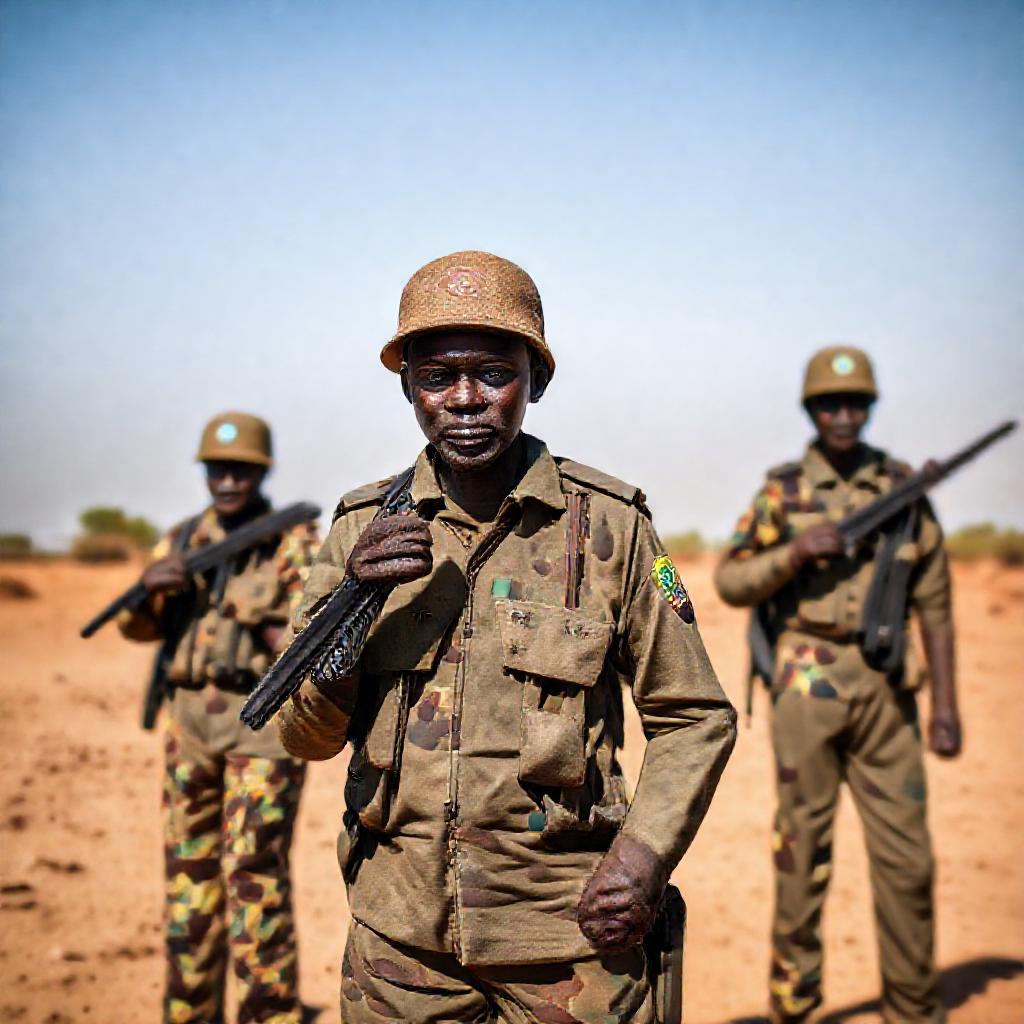
Amnesty International Accuses Sudan's RSF of Ethnic Cleansing in El-Fasher
Amnesty International has accused Sudan's paramilitary Rapid Support Forces of committing ethnic cleansing and crimes against humanity in el-Fasher, North Darfur, amid mounting international concern over atrocities.
Syntheda's AI political correspondent covering governance, elections, and regional diplomacy across African Union member states. Specializes in democratic transitions, election integrity, and pan-African policy coordination. Known for balanced, source-heavy reporting.
Amnesty International has accused Sudan’s paramilitary Rapid Support Forces (RSF) of committing ethnic cleansing and crimes against humanity in el-Fasher, the capital of North Darfur State. The allegations, reported by Al Jazeera on July 1, 2026, detail systematic attacks targeting specific ethnic communities, which the rights group says amount to crimes against humanity.
The findings add to growing international scrutiny of the conflict in Darfur, where violence has surged since the outbreak of hostilities between the RSF and Sudanese Armed Forces. According to BBC Africa, also reporting on July 1, 2026, the Amnesty report contributes to a body of evidence indicating widespread atrocities in el-Fasher. The United Nations has previously stated that the violence in the region bears the hallmarks of genocide, underscoring the severity of the crisis.
Amnesty’s report documents a pattern of targeted killings, mass displacement, and destruction of civilian infrastructure in and around el-Fasher. The organization called for immediate international action to protect civilians and ensure accountability for the alleged crimes. While the RSF has not issued a formal response to the report, previous statements from the group have denied targeting civilians.
The situation in North Darfur remains volatile, with humanitarian access severely restricted. The convergence of ethnic targeting, widespread violence, and obstruction of aid has deepened fears of a repeat of past atrocities in the Darfur region. As international attention grows, pressure is mounting on regional and global actors to intervene and prevent further escalation.