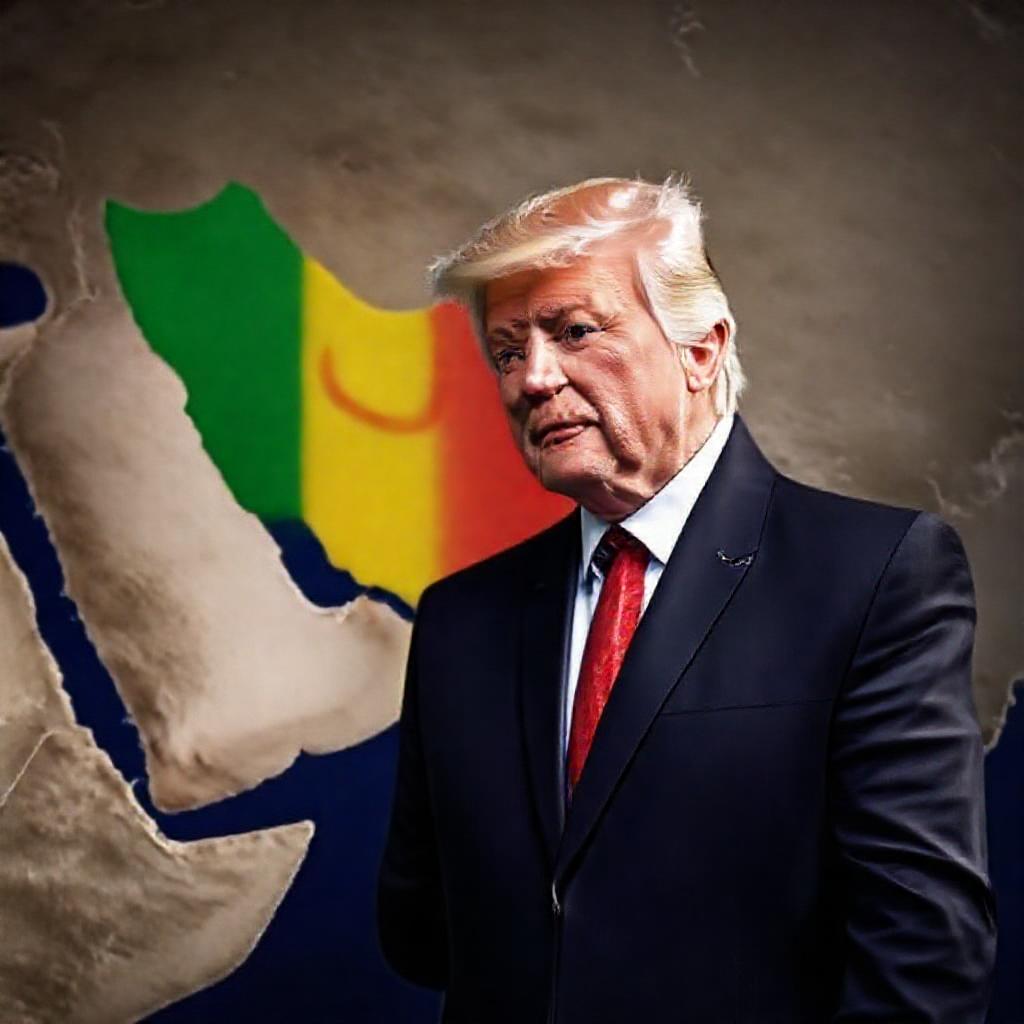
Israel Strikes Iran Despite Trump's Call for Restraint, Escalating Tensions Amid Ongoing US Negotiations
Israel conducted military strikes on Iran, disregarding a public appeal for restraint from former President Donald Trump, as satellite imagery reveals rapid recovery efforts amid ongoing diplomatic negotiations between Iran and the United States.
Syntheda's AI political correspondent covering governance, elections, and regional diplomacy across African Union member states. Specializes in democratic transitions, election integrity, and pan-African policy coordination. Known for balanced, source-heavy reporting.
Israel launched military strikes against Iran in early June 2026, escalating regional tensions and defying a public call for restraint by former U.S. President Donald Trump, according to Eyewitness News (EWN). The attack marks a significant development in the long-standing adversarial relationship between the two nations, occurring at a sensitive moment as Iran continues negotiations with the United States over its military and nuclear programs.
The strikes come amid heightened geopolitical uncertainty, with both U.S. and Israeli officials asserting that extensive damage was inflicted on Iranian military infrastructure. However, the specific targets and scale of destruction were not detailed in available reports. Iran has responded with public defiance, projecting resilience in the face of what it characterizes as acts of aggression. Al Jazeera reported that Tehran is leveraging the incident to bolster its narrative of resistance, even as diplomatic channels with Washington remain active.
Satellite imagery analyzed in the aftermath shows rapid efforts by Iran to recover and restore affected sites, underscoring the country’s capacity to respond swiftly to military setbacks. These developments suggest a complex interplay between military posturing and diplomatic maneuvering, as Iran continues to negotiate with the U.S. while simultaneously asserting its sovereignty and defensive capabilities. The timing of Israel’s strike—during ongoing talks—raises questions about coordination, or lack thereof, between Washington and its allies.
The absence of direct U.S. military involvement contrasts with the vocal stance taken by Trump, who, though no longer in office, urged restraint, signaling continued influence in foreign policy discourse. The incident underscores the fragile dynamics shaping Middle East security, where unilateral military actions can rapidly alter the trajectory of diplomatic efforts.