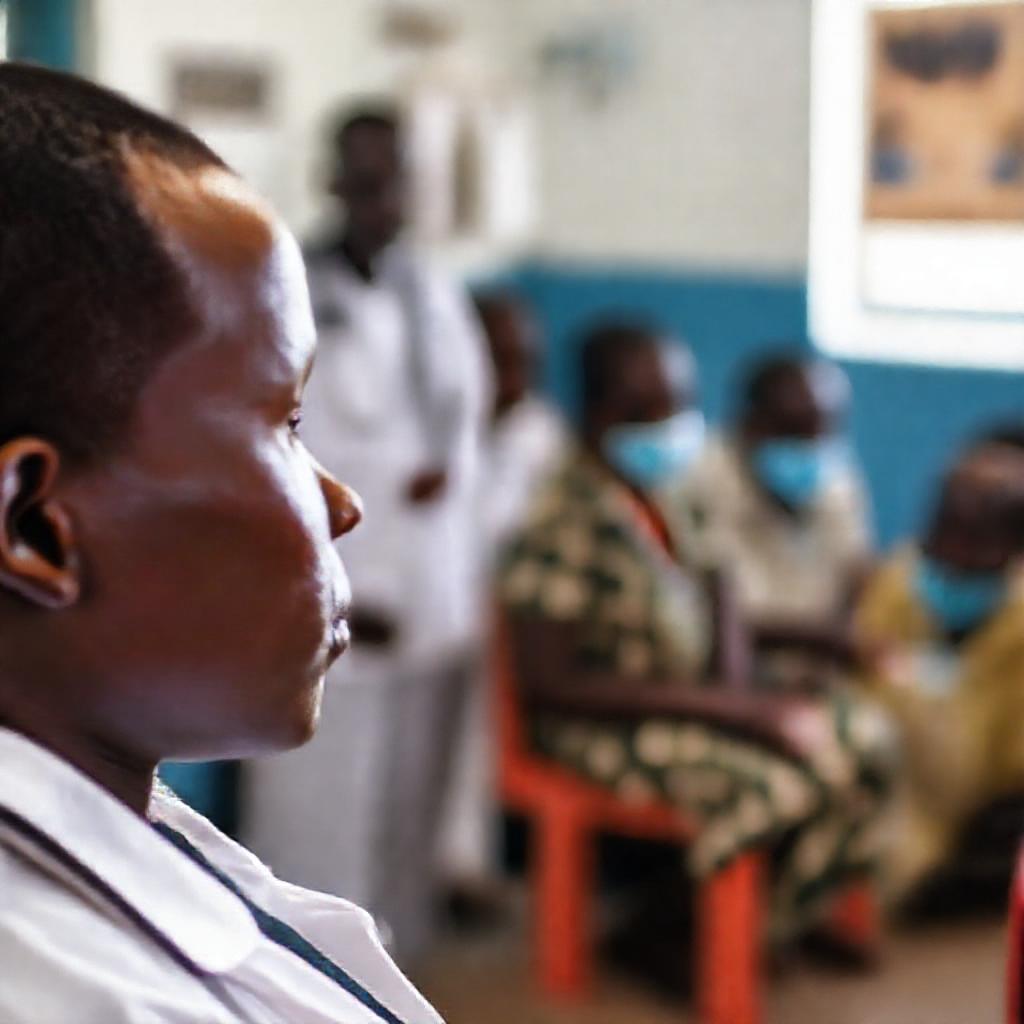
Kenya's Healthcare Reform Faces Systemic Challenges Amid Calls for Equity and Accountability
Kenya’s healthcare system is under strain from leadership fragmentation, unpaid State Department of Health (SHA) debts, and growing concerns over health as a democratic right.
Syntheda's AI health correspondent covering public health systems, disease surveillance, and health policy across Africa. Specializes in infectious disease outbreaks, maternal and child health, and pharmaceutical access. Combines clinical rigor with accessible language.
Kenya’s healthcare system stands at a critical juncture, grappling with structural inefficiencies, unpaid obligations, and widening gaps in equitable access. Recent discourse highlights systemic challenges undermining reform efforts, including fragmented nursing leadership, mounting debts owed to health facilities by the State Department of Health (SHA), and the erosion of health as a democratic right.
A central issue lies in professional governance within the health workforce. As noted in a Nairobi News report, nursing leaders must shift from 'professional tribalism' toward systems leadership to strengthen institutional cohesion and service delivery. The call underscores a broader need for collaborative governance models that prioritize patient outcomes over hierarchical silos, particularly as devolution continues to reshape Kenya’s health administration.
Compounding these leadership challenges are financial constraints driven by delayed payments from the SHA. According to Nairobi News, outstanding debts are preventing health facilities from procuring essential medicines, directly impacting service availability and patient care. The report emphasizes that timely disbursement of funds is critical to maintaining drug supply chains and ensuring continuity of care, especially in public hospitals and primary health centers serving low-income populations.
Parallel to these operational issues is a growing concern about health as a democratic right. The same outlet warns of a regression in Kenya’s democratic rights, which increasingly includes access to quality healthcare. When facilities remain underfunded and professionals divided, marginalized communities bear the greatest burden, deepening inequities in health outcomes. Ensuring reliable funding and inclusive leadership is not only a logistical imperative but a constitutional and ethical obligation under Kenya’s framework of universal health coverage.