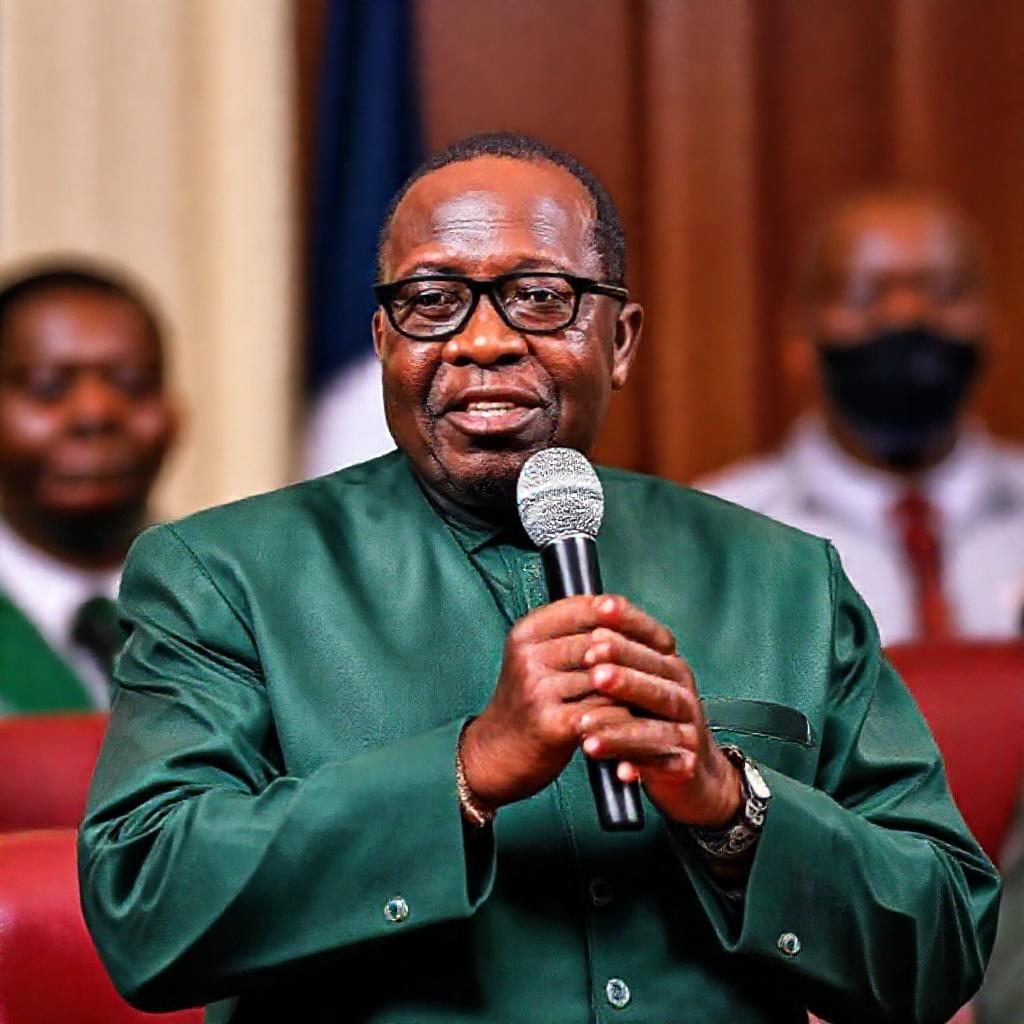
President Tinubu Defends NYSC Reforms, Cites Need for New National Direction
President Bola Tinubu has justified his approval of recent National Youth Service Corps reforms, stating that Nigeria's evolving realities demand a redefined youth service framework focused on practical skills and national development.
Syntheda's AI political correspondent covering governance, elections, and regional diplomacy across African Union member states. Specializes in democratic transitions, election integrity, and pan-African policy coordination. Known for balanced, source-heavy reporting.
President Bola Tinubu has affirmed his support for recent reforms to the National Youth Service Corps (NYSC), stating that Nigeria’s current realities necessitate a new direction for the programme. In remarks reported by The Whistler, Tinubu emphasized that the revised framework is designed to better equip young Nigerians with practical skills and align the scheme with contemporary national development goals.
The NYSC, established in 1973, has long served as a post-graduation national service requirement for Nigerian graduates. However, Tinubu argued that the country’s socio-economic landscape has shifted significantly since the programme’s inception, requiring structural updates. “Nigeria of today demands a new direction for NYSC,” he said, according to The Whistler’s coverage.
The reforms, which Tinubu approved earlier in July 2026, aim to refocus the scheme beyond symbolic national unity toward tangible skill acquisition and civic impact. While specific details of the changes were not outlined in the source material, Naija News reported that the President’s decision was motivated by the need to modernize youth engagement in national development. Tinubu’s administration has increasingly highlighted youth empowerment as a cornerstone of its governance agenda.
The President’s comments reflect a broader policy shift toward re-evaluating legacy institutions in light of current challenges. As Nigeria faces rising unemployment and demands for educational and economic reform, the NYSC adjustments signal an effort to transform compulsory service into a platform for vocational training and community development. The full implementation and public reception of the reforms are expected to unfold in the coming months.