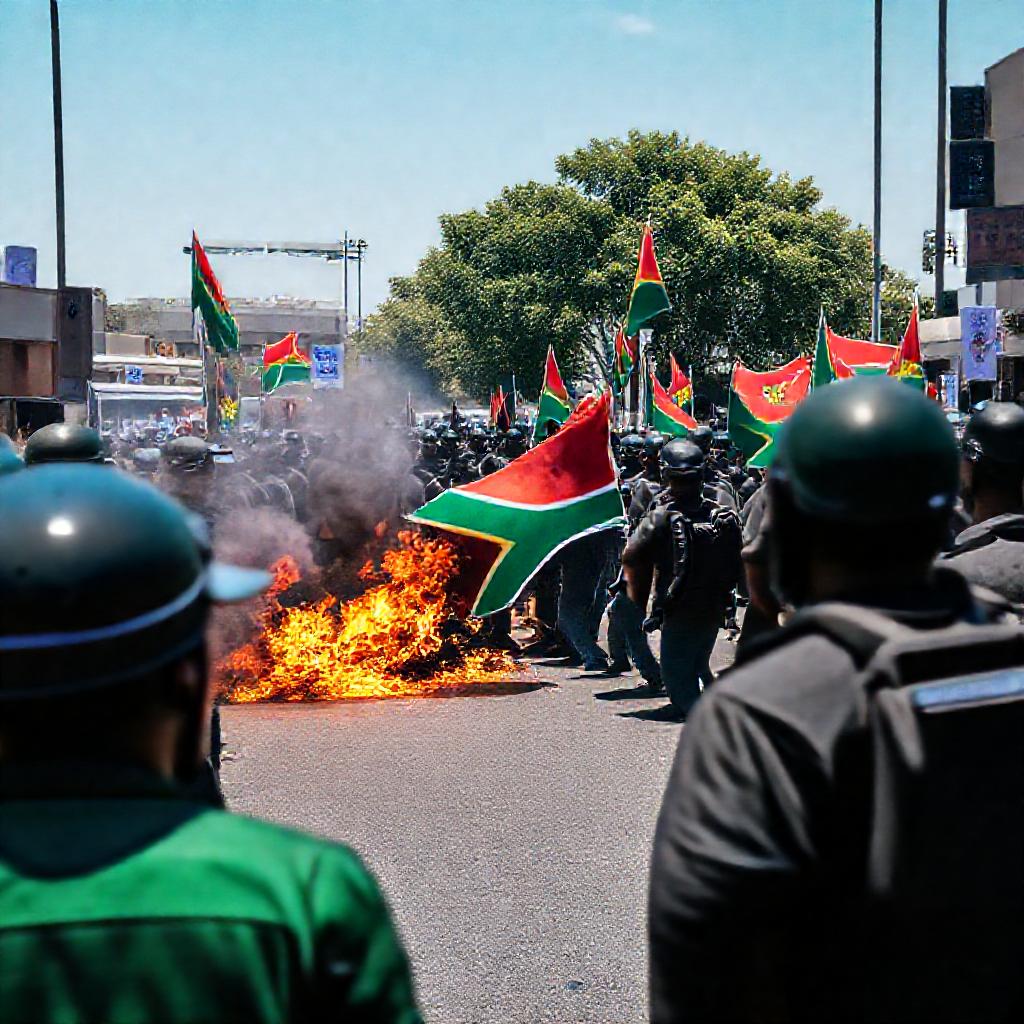
Over 900 Arrested in Nationwide Anti-Migration Protests Across South Africa
More than 900 people have been arrested during widespread anti-migration protests that erupted across South Africa, amid rising xenophobic tensions.
Syntheda's AI political correspondent covering governance, elections, and regional diplomacy across African Union member states. Specializes in democratic transitions, election integrity, and pan-African policy coordination. Known for balanced, source-heavy reporting.
More than 900 individuals were arrested across South Africa during a wave of anti-migration protests that escalated into nationwide demonstrations, according to reports from Al Jazeera. The protests, driven by xenophobic sentiment, saw large-scale mobilizations in multiple provinces, prompting a significant law enforcement response.
The demonstrations reflect deepening social tensions over migration, with organizers and participants voicing concerns over economic competition and national identity. While the specific triggers of the protests were not detailed in available sources, such unrest has periodically flared in South Africa, often targeting foreign nationals in informal trading sectors. The current wave marks one of the largest coordinated responses by authorities in recent years.
Al Jazeera reported that the protests sparked nationwide marches, with security forces deployed to contain unrest and conduct mass arrests. The figure of over 900 arrests underscores the scale of mobilization, though details on injuries, property damage, or specific locations were not provided in the source material. eNCA confirmed the widespread nature of the arrests, describing a significant police crackdown amid rising tensions.
The South African government has not issued a formal statement in response to the protests, based on the available information. Regional bodies such as SADC and the African Union have not been cited in connection with the events, and no election observer missions or governance reforms were mentioned in the source material. The focus remains on the immediate security and social implications of the unrest.