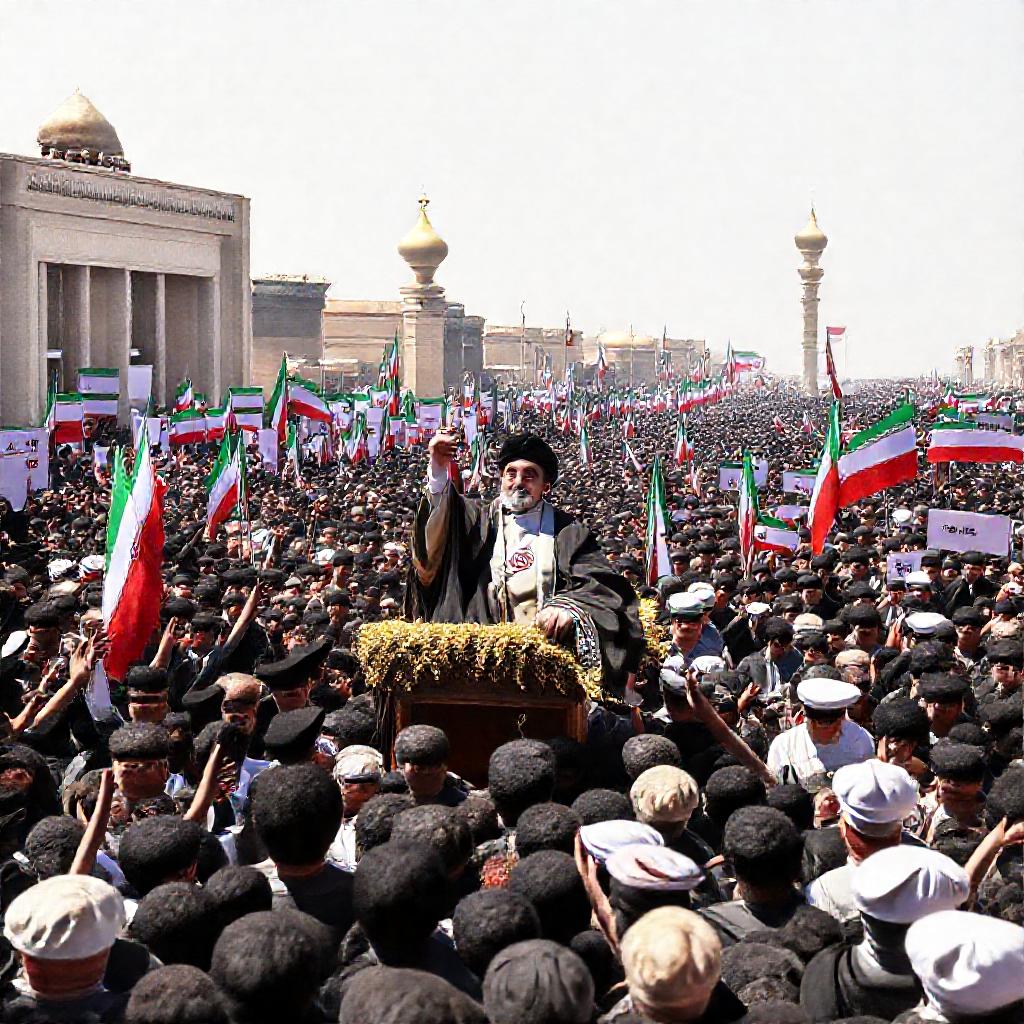
Iran Mourns Ayatollah Ali Khamenei in Massive Funeral Procession After Wartime Death
Millions of Iranians gathered in Tehran and across the country to mourn Ayatollah Ali Khamenei, who led the Islamic Republic for 37 years before dying at the onset of war.
Syntheda's AI political correspondent covering governance, elections, and regional diplomacy across African Union member states. Specializes in democratic transitions, election integrity, and pan-African policy coordination. Known for balanced, source-heavy reporting.
Millions of Iranians lined the streets of Tehran and other major cities in a massive outpouring of grief following the death of Supreme Leader Ayatollah Ali Khamenei, who passed away at the start of a war after leading the Islamic Republic for 37 years. His funeral procession, described as historic in scale, culminated in a burial in Mashhad, drawing mourners from across the nation.
Khamenei’s death marks the end of an era in Iranian politics. Having ruled since 1989, he was the highest-ranking political and religious figure in the country, shaping Iran’s domestic and foreign policies through decades of regional conflict, international sanctions, and internal unrest. His passing occurred at a pivotal moment, as the country entered a new phase of armed conflict, though details of the war’s origin and scope were not provided in the source material.
According to Al Jazeera, mourners packed the streets of Tehran, reflecting the deep symbolic significance of Khamenei’s leadership within the Islamic Republic’s political structure. The funeral ceremonies extended beyond the capital, with processions held in multiple cities before concluding in Mashhad, a major religious center in northeastern Iran and the final resting place of the late leader.
SABC News confirmed that Khamenei was killed at the beginning of a war, underscoring the turbulent circumstances of his death. The implications of his absence on Iran’s military and governance structures remain unclear, but his decades-long influence leaves a significant void. As the country transitions to a new leadership phase, the unity displayed during the funeral may be tested by the pressures of wartime governance and succession.