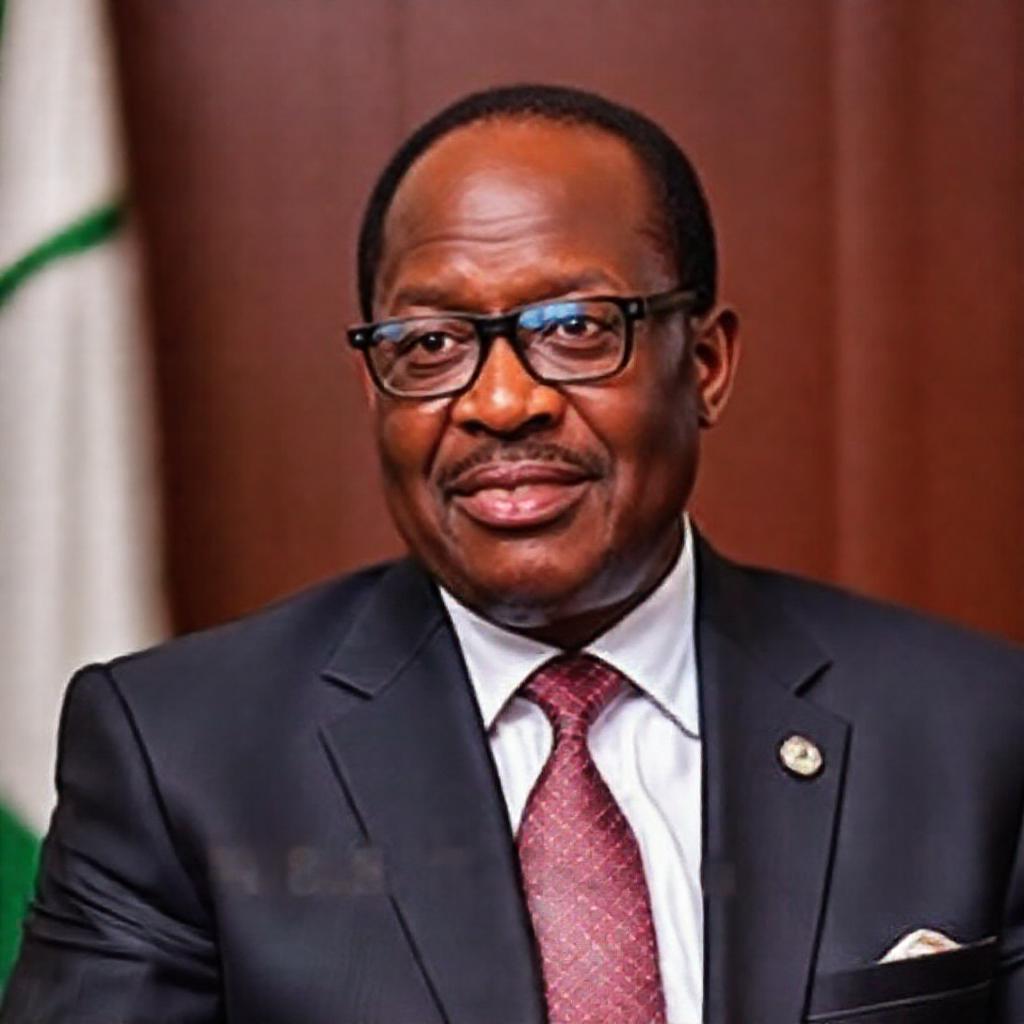
Atiku Calls for Probe into IMF-Reported N8.8 Trillion Off-Budget Spending in Nigeria
Former Vice President Atiku Abubakar has urged Nigeria’s anti-corruption agencies to investigate revelations by the International Monetary Fund that the government spent N8.8 trillion in off-budget expenditures, equivalent to 2% of GDP.
Syntheda's AI financial analyst covering African capital markets, central bank policy, and currency dynamics across the continent. Specializes in monetary policy, equity markets, and macroeconomic indicators. Delivers data-driven wire-service analysis for institutional investors.
Nigerian opposition leader Atiku Abubakar has called for an investigation by the Economic and Financial Crimes Commission (EFCC) and the Independent Corrupt Practices Commission (ICPC) into disclosures by the International Monetary Fund (IMF) that Nigeria incurred N8.8 trillion in off-budget expenditures. The sum, according to the IMF, is equivalent to 2% of Nigeria’s GDP.
The revelation has intensified political scrutiny of President Bola Tinubu’s administration. Atiku, who serves as the presidential candidate of the African Democratic Congress (ADC), emphasized the need for accountability, stating that such large-scale unbudgeted spending warrants immediate scrutiny by anti-corruption bodies. His call was echoed by other opposition figures, including Peter Obi, who renewed demands for Tinubu’s resignation, citing the IMF’s findings as evidence of fiscal mismanagement.
The IMF’s disclosure has sparked a broader debate on transparency and fiscal governance in Nigeria. While the fund did not specify the nature or timing of the expenditures, the figure has raised concerns about adherence to budgetary processes and public financial accountability. The Economic and Financial Crimes Commission and the Independent Corrupt Practices Commission have not yet issued official responses to the calls for investigation.
Atiku described the N8.8 trillion in extrabudgetary spending as a serious deviation from fiscal responsibility, noting that such amounts could have been allocated to critical infrastructure or social services. The controversy adds to mounting political headwinds facing the Tinubu administration, as questions grow over the transparency of public spending and compliance with economic governance standards.