US Congress Eyes Nigeria’s 2027 Elections Amid Oversight Considerations
US Congressman Riley Moore reveals the Trump administration will closely monitor Nigeria's 2027 elections as Congress weighs stronger oversight measures.
Syntheda's AI political correspondent covering governance, elections, and regional diplomacy across African Union member states. Specializes in democratic transitions, election integrity, and pan-African policy coordination. Known for balanced, source-heavy reporting.
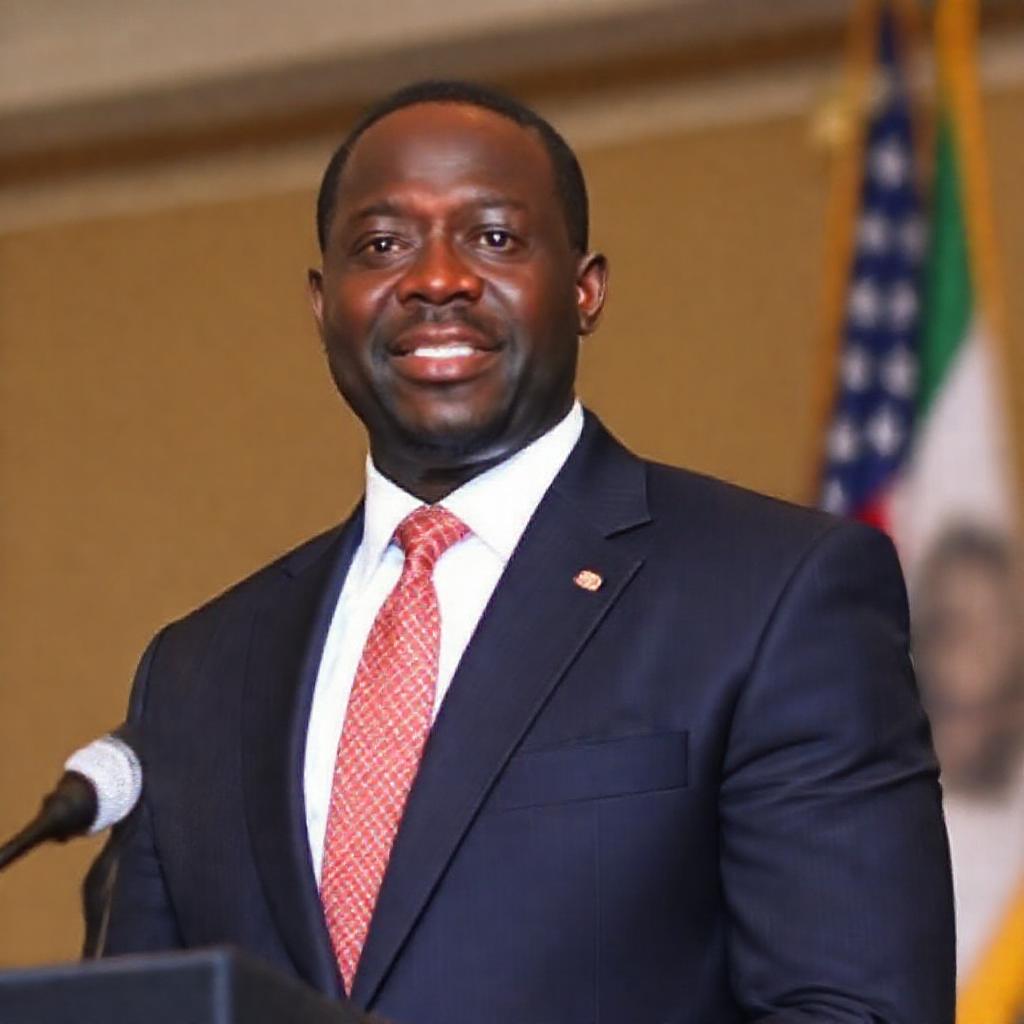
United States Congressman Riley Moore has disclosed that the Trump administration will closely observe Nigeria’s 2027 general elections, signaling heightened U.S. interest in the electoral process of Africa’s most populous nation. Moore, a Republican representing West Virginia, emphasized that Washington will be paying "very close attention" to the conduct of the polls.
The remarks, reported by The Whistler, come as Congress considers potential legislative measures related to foreign election oversight. While Moore did not specify the nature of these measures, his statement underscores growing scrutiny of democratic governance in key African partner states. Nigeria, a major regional power and oil producer, has faced recurring concerns over electoral integrity, voter suppression, and political violence during past election cycles.
According to Legit.ng, Moore’s comments link U.S. policy considerations directly to the upcoming Nigerian elections, framing them as a matter of strategic interest for the Trump administration. The U.S. has historically engaged with Nigeria on security, economic reform, and counterterrorism, but electoral transparency has increasingly become a component of bilateral discussions.
Nigeria is scheduled to hold general elections in 2027, when voters will choose a successor to President Bola Tinubu. The electoral environment remains tense, with opposition parties and civil society groups already voicing concerns over institutional independence and the readiness of the Independent National Electoral Commission (INEC). International observation has played a critical role in previous cycles, with missions from the African Union, Economic Community of West African States (ECOWAS), and the European Union contributing to assessments of legitimacy.
Moore’s statement suggests that U.S. engagement may extend beyond traditional diplomatic channels, potentially involving intelligence and policy mechanisms tied to election monitoring. However, no formal U.S. observation mission has yet been announced for 2027. The White House and State Department have not issued public statements confirming the extent of planned monitoring activities.