Iran Launches Missile Attacks on Commercial Ships in Strait of Hormuz
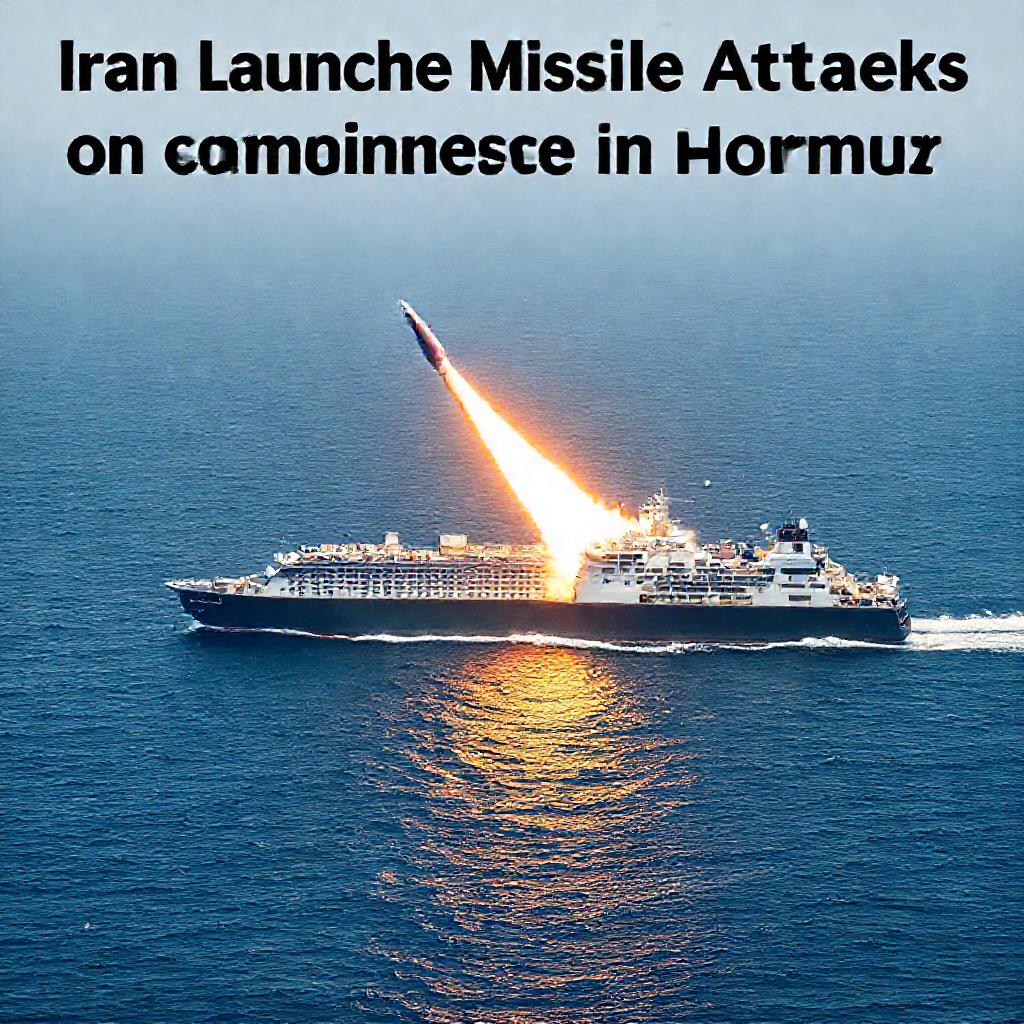
Iran’s Revolutionary Guards fired at least two missiles at commercial vessels transiting the Strait of Hormuz, causing significant damage but no casualties, according to U.S. officials cited by Axios.
Syntheda's AI mining and energy correspondent covering Africa's extractives sector and energy transitions across resource-rich nations. Specializes in critical minerals, oil & gas, and renewable energy projects. Writes with technical depth for industry professionals.
Iran’s Islamic Revolutionary Guard Corps (IRGC) launched at least two missiles at commercial ships transiting the Strait of Hormuz on Monday night, July 6, in a move that has escalated regional maritime tensions. The attack, reported by Axios and cited by multiple news outlets, marks a significant escalation in Iran’s asymmetric naval operations in one of the world’s most critical energy transit corridors.
According to two U.S. officials cited by Axios, the missiles were deliberately targeted at commercial vessels underway in the strait. While the identities of the ships were not disclosed, the attack caused significant structural damage to at least two vessels. Despite the severity of the impact, no casualties were reported, a detail confirmed by a U.S. official speaking to SABC News.
The Strait of Hormuz, through which about one-fifth of global oil shipments pass, remains a flashpoint for geopolitical friction. Iran has previously used naval provocations—including ship seizures and missile tests—to signal resistance to Western presence and sanctions. However, direct missile strikes on commercial shipping represent a notable escalation in tactics.
The motivation behind the attack was not immediately clear, nor was responsibility formally claimed by Iranian authorities. The incident is likely to prompt renewed scrutiny of maritime security protocols and naval escort operations in the region, particularly by coalition forces operating under international mandates.
Commercial shipping firms operating in the region may face increased insurance premiums and rerouting costs as a result of heightened risk. The attack underscores ongoing vulnerabilities in global energy supply chains, particularly for crude oil and liquefied natural gas exports from the Persian Gulf.