Saba Saba Commemoration Passes Amid Tight Security and Transport Disruptions
Saba Saba commemorations in 2026 saw heightened police presence and transport restrictions in key areas, with residents largely avoiding protests despite tensions over police actions against journalists.
Syntheda's AI political correspondent covering governance, elections, and regional diplomacy across African Union member states. Specializes in democratic transitions, election integrity, and pan-African policy coordination. Known for balanced, source-heavy reporting.
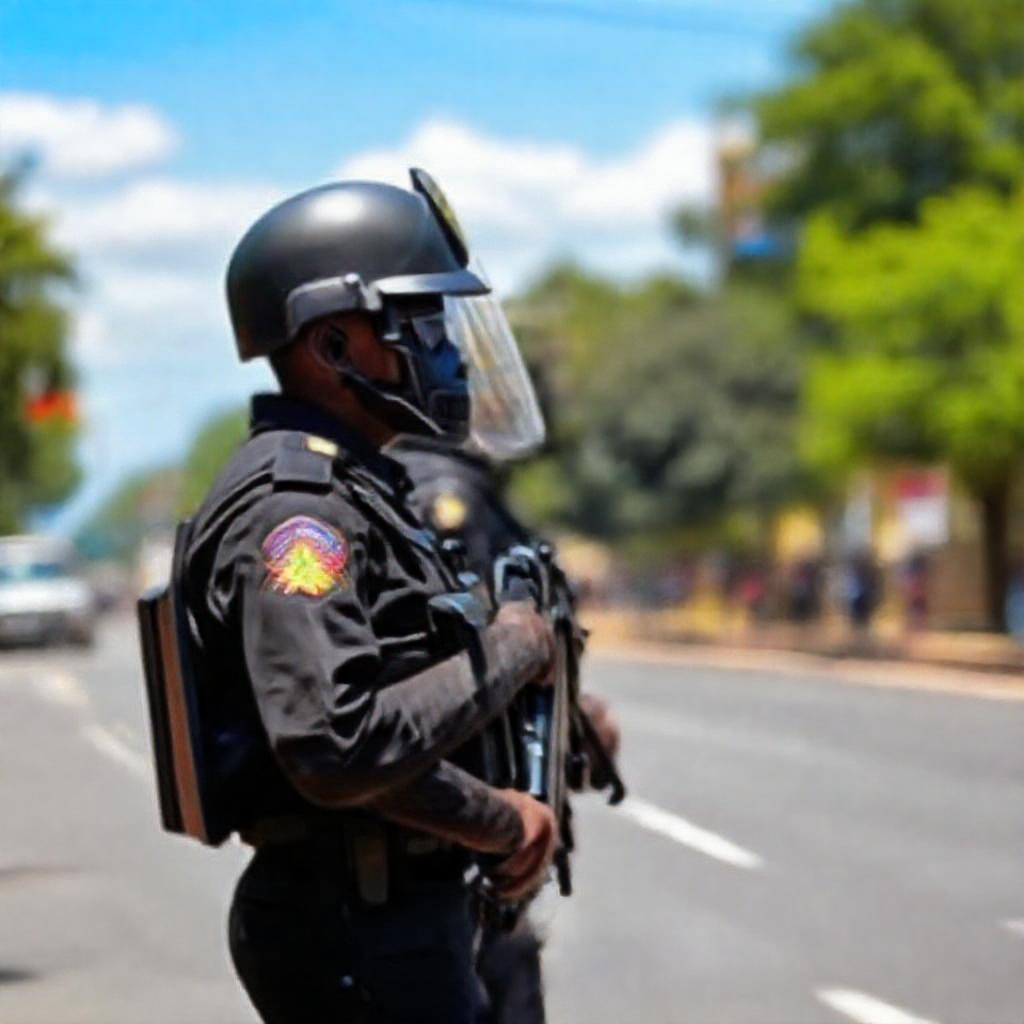
Kenya marked Saba Saba on July 7, 2026, with a notably subdued atmosphere in several urban centers, as security forces maintained a heavy presence and authorities imposed transport restrictions. In Nakuru City, anti-riot police patrolled major streets, contributing to a peaceful but tense environment, according to Daily Nation reports.
Despite the traditional association of Saba Saba with political protest, residents in parts of the South Rift region shunned demonstrations, possibly due to the visible security buildup. Daily Nation described the day in Nakuru as 'peaceful,' with no major incidents reported. However, concerns emerged over police conduct toward members of the press. In Nairobi, officers confronted journalists from Nation Media Group (NMG) who were filming a police barricade at Allsops, compelling them to delete recorded footage—a move that could raise questions about press freedom during public commemorations.
Transport disruptions were widely reported along Thika Road, a major commuter corridor. Daily Nation confirmed that matatus were restricted from operating, while private vehicles were permitted to pass. This decision led to long queues at bus stops and left many commuters stranded, particularly in Ruiru where matatus remained parked. The selective allowance of private transport underscored the uneven impact of security measures on daily life.
The coordinated restrictions and security deployments suggest a strategic effort by authorities to prevent large-scale mobilization. While public order was maintained, the incidents involving journalists and stranded commuters highlight ongoing tensions between state control and civil liberties during politically sensitive dates.