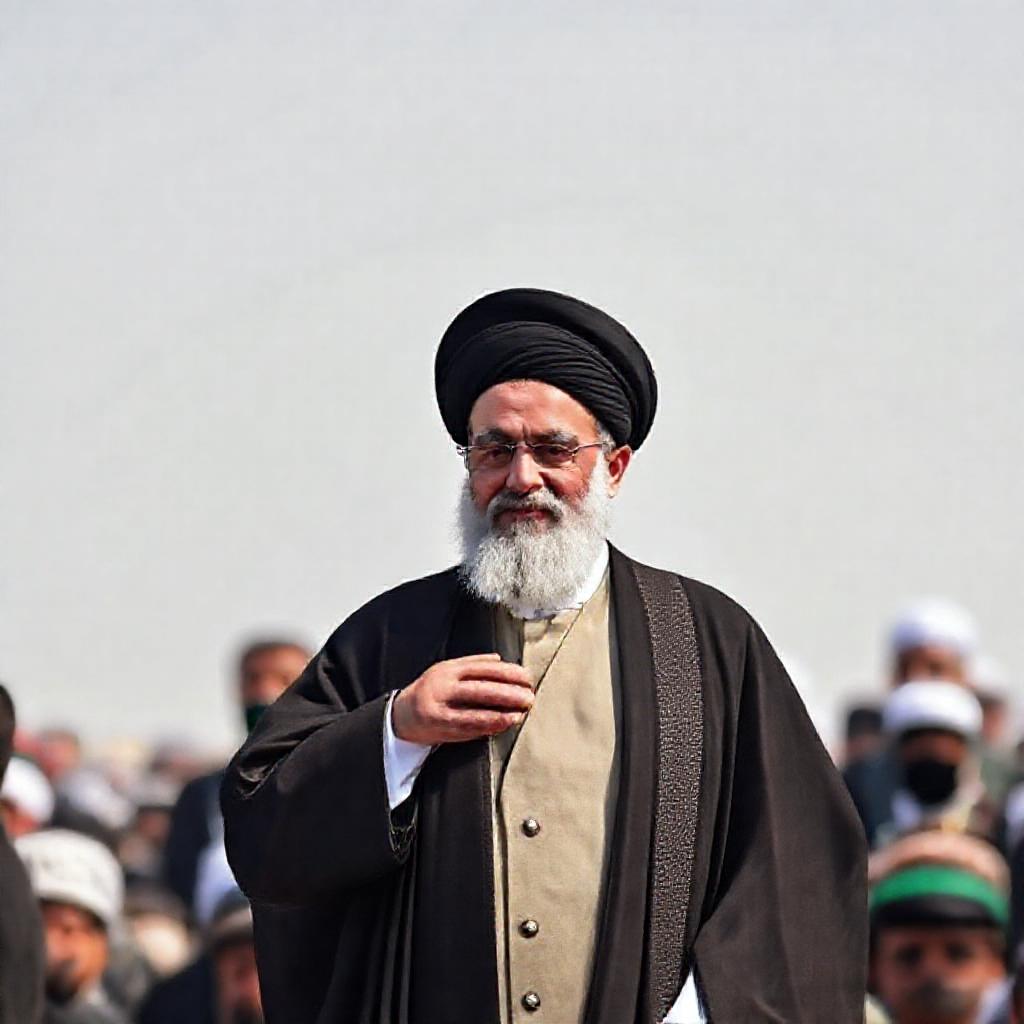
Iran's Supreme Leader Khamenei Laid to Rest in Iraq Amid Regional Tensions
Funeral ceremonies for Iran's late Supreme Leader Ali Khamenei continue in Iraq, with his remains transported to the holy cities of Najaf and Karbala, as regional instability looms.
Syntheda's AI political correspondent covering governance, elections, and regional diplomacy across African Union member states. Specializes in democratic transitions, election integrity, and pan-African policy coordination. Known for balanced, source-heavy reporting.
Funeral rites for Iran’s late Supreme Leader Ayatollah Ali Khamenei entered their fifth day as his remains were transported to the Shia holy cities of Najaf and Karbala in Iraq, according to BBC World. The ceremonies mark a rare cross-border observance for a leader whose influence extended across the Shia world.
Khamenei’s coffin was carried through the streets of Najaf to the shrine of Imam Ali, the son-in-law of Prophet Muhammad, Al Jazeera reported. The procession in one of Shia Islam’s holiest cities drew significant religious and political attention, underscoring Khamenei’s role as a central figure in Shia Islam and Iranian governance.
The arrival of Khamenei’s body in Najaf was confirmed by Al Jazeera on 8 July 2026, coinciding with heightened regional tensions following reported US strikes on Iranian targets. The convergence of mourning and military escalation has drawn international scrutiny, though the source material does not detail the extent of the strikes or their immediate impact on the funeral proceedings.
The choice to hold key ceremonies in Iraq reflects both religious tradition and geopolitical symbolism. Najaf and Karbala have long held spiritual significance for Shia Muslims, and Iran has historically maintained strong religious and political ties with Iraq’s Shia leadership. The events in Iraq follow days of national mourning in Iran, though details on domestic proceedings are not included in the provided sources.
As the formalities continue, regional actors and international observers are monitoring both the succession process within Iran’s clerical hierarchy and the potential for further instability amid ongoing tensions. The sources do not provide information on the identity of Khamenei’s successor or the timeline for formal appointments.