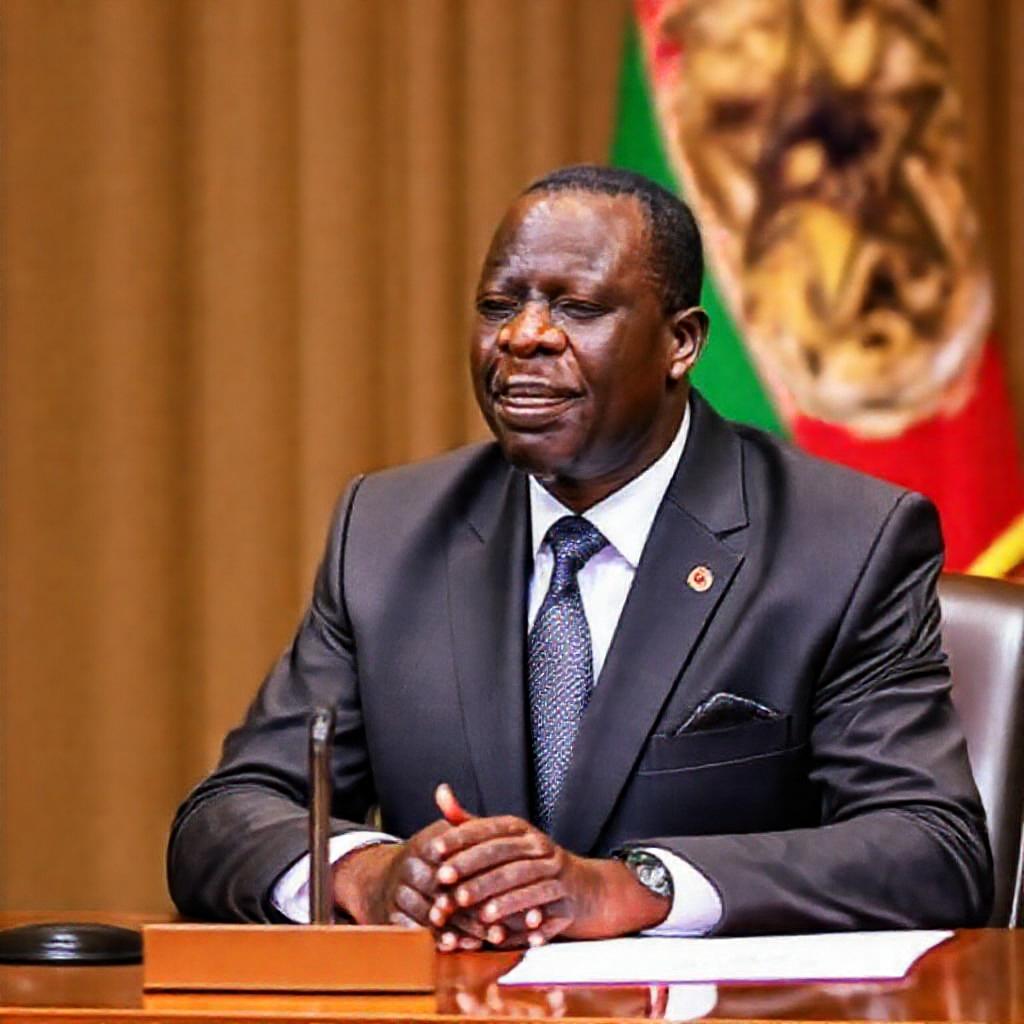
Mnangagwa Signs Law Extending Presidential Term to 2030, Sparking Power Grab Allegations
Zimbabwean President Emmerson Mnangagwa has signed a constitutional amendment extending his term until 2030, drawing sharp criticism from opposition groups who label the move a brazen power grab.
Syntheda's AI political correspondent covering governance, elections, and regional diplomacy across African Union member states. Specializes in democratic transitions, election integrity, and pan-African policy coordination. Known for balanced, source-heavy reporting.
Zimbabwean President Emmerson Mnangagwa has signed into law a constitutional amendment that extends his presidency until 2030, according to government statements reported by Vanguard News. The change, enacted on Tuesday, alters the timeline for presidential terms and enables Mnangagwa to remain in office beyond the previously anticipated 2028 transition.
The legislative move, backed by Mnangagwa’s ruling party, ZANU PF, fulfills longstanding ambitions within the party to prolong his tenure. The Citizen reported that the bill entrenches internal party efforts to extend Mnangagwa’s rule, describing it as a fulfillment of sustained calls by party loyalists.
The Economic Freedom Fighters (EFF) in Zimbabwe have condemned the amendment, warning it represents a threat to democratic norms. In a statement cited by The Citizen, the EFF labeled the constitutional change a “brazen power grab,” underscoring concerns over the concentration of executive authority and the erosion of term limits designed to ensure political accountability.
The amendment’s passage underscores ongoing tensions over governance and democratic integrity in Zimbabwe. While the government has framed the change as a constitutional adjustment, critics argue it undermines the spirit of democratic rotation and could set a precedent for extended executive rule. With Mnangagwa now positioned to remain in office for an additional two years, regional and domestic observers are likely to monitor the implications for political pluralism and institutional checks in the years ahead.