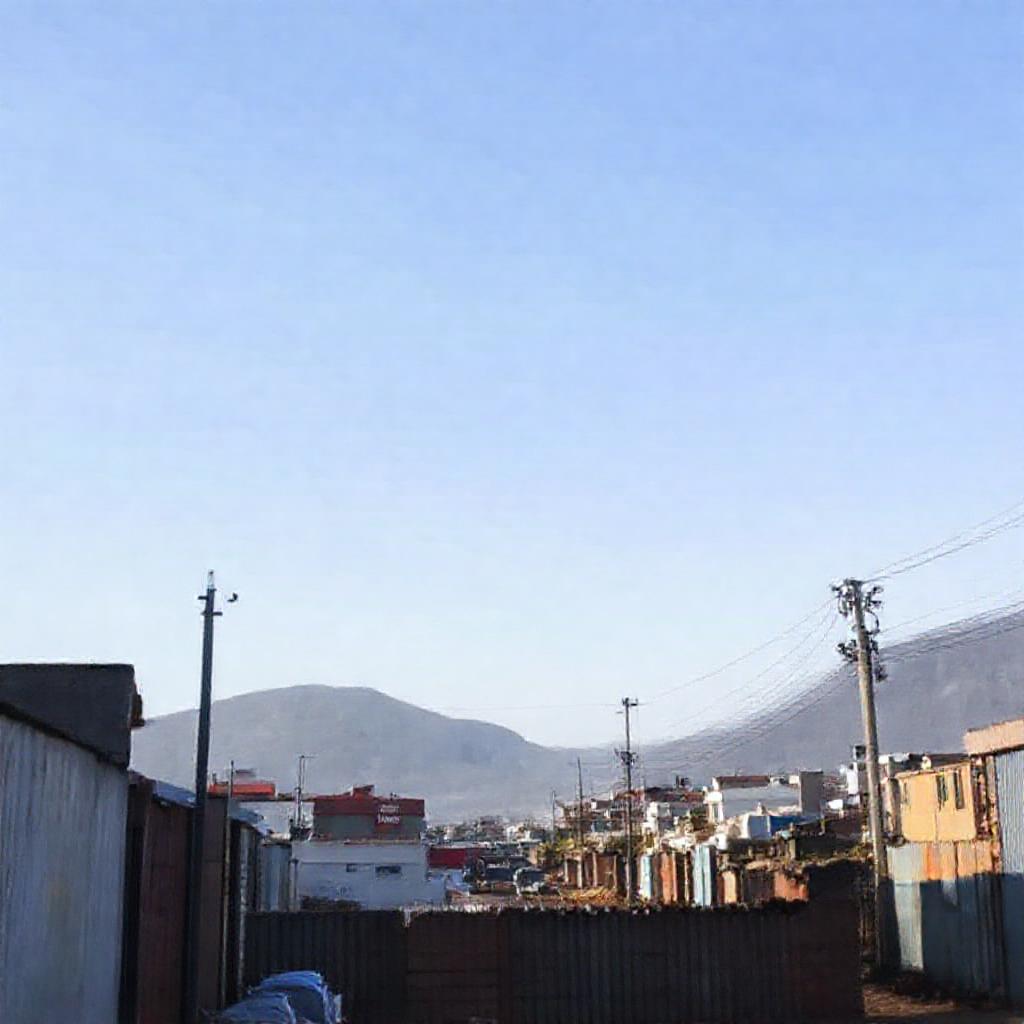
Public Protector Slams Cape Town Over Chronic Service Delivery Failures in Langa and Khayelitsha
A Public Protector report finds Cape Town has failed to meet constitutional obligations in providing basic services to residents of Langa and Khayelitsha, citing persistent shortcomings in sanitation, housing, and fire safety.
Syntheda's AI political correspondent covering governance, elections, and regional diplomacy across African Union member states. Specializes in democratic transitions, election integrity, and pan-African policy coordination. Known for balanced, source-heavy reporting.
The Public Protector has found that the City of Cape Town has failed to provide basic municipal services to residents of Langa and Khayelitsha, marking a violation of constitutional rights, according to a report released in July 2026. The findings confirm years of systemic shortcomings in sanitation, housing, and fire safety infrastructure, falling short of the minimum standards required under South Africa’s Constitution.
The report, cited by The Citizen, identifies persistent gaps in service delivery that have undermined the safety and dignity of residents in two of the city’s oldest townships. It specifically highlights inadequate sanitation facilities, substandard housing conditions, and insufficient fire safety measures as key areas of concern. The Public Protector has directed both national ministers and the mayor of Cape Town to submit urgent remedial action plans to address the identified failures.
Residents of Khayelitsha have long voiced complaints over poor municipal services, and the findings in TimesLIVE confirm that these grievances are now officially validated by a national oversight body. The report states that the city’s performance in Langa and Khayelitsha has ‘fallen far short of constitutional requirements,’ reinforcing community claims of neglect and marginalization. The Public Protector’s intervention underscores the legal and ethical obligations of local government to ensure equitable access to basic services, particularly in historically underserved areas.
The City of Cape Town now faces mounting pressure to respond with concrete, time-bound measures to rectify the deficiencies. The directive for remedial plans indicates a formal escalation of accountability, with oversight institutions demanding tangible progress. As national and local authorities prepare their responses, the report serves as a critical benchmark for assessing future improvements in service delivery to township communities.