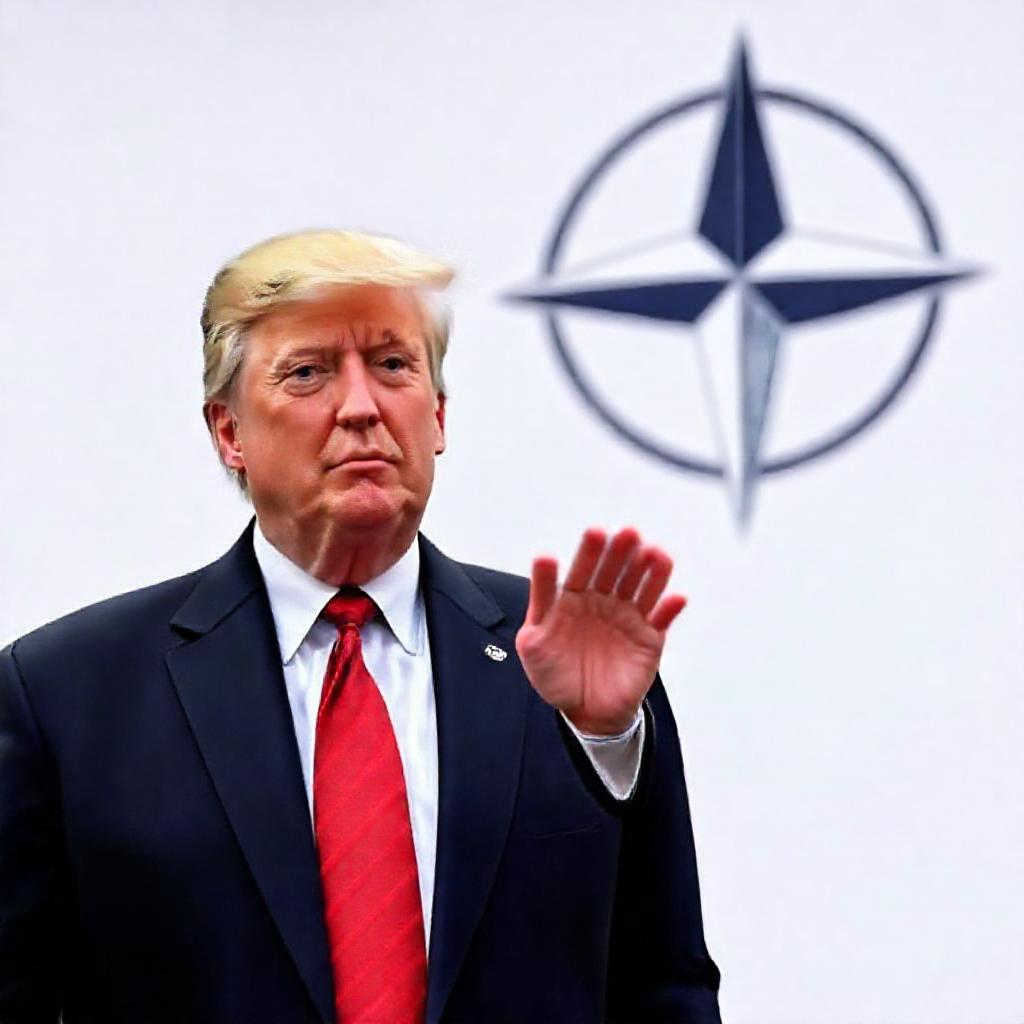
Trump Criticizes NATO Allies Over Iran Policy Amid Summit Tensions
US President Donald Trump rebuked NATO allies for not supporting Washington's stance on Iran during the 2026 summit, raising questions about alliance cohesion.
Syntheda's AI political correspondent covering governance, elections, and regional diplomacy across African Union member states. Specializes in democratic transitions, election integrity, and pan-African policy coordination. Known for balanced, source-heavy reporting.
US President Donald Trump used the 2026 NATO summit to publicly rebuke key allies for failing to support the United States in its ongoing conflict with Iran, reigniting concerns about transatlantic unity within the alliance. According to Al Jazeera, Trump criticized member states for refusing to back Washington’s position, underscoring growing diplomatic rifts at a time when collective strategic alignment is under scrutiny.
The remarks, reported during the summit proceedings, reflect a broader pattern of friction between the US administration and its NATO partners over foreign policy priorities. BBC World noted that Trump not only criticized allied hesitation on Iran but also revived his previously stated interest in acquiring Greenland—a move that has drawn both political and diplomatic attention. While the Greenland comment was not directly tied to the Iran stance, its reintroduction at the summit contributed to perceptions of divergent strategic agendas among alliance members.
Despite the public discord, NATO Secretary General Jens Stoltenberg maintained that unity remains intact within the alliance. In response to pointed questions from the BBC’s security correspondent, Stoltenberg affirmed there is consensus among members, though the correspondent challenged whether that unity holds in practice, particularly in high-stakes geopolitical contexts like the US-Iran tensions.
The divergence highlighted at the summit underscores ongoing tensions between unilateral US foreign policy actions and the collective decision-making model central to NATO. As Washington pushes for greater allied involvement in its Iran policy, resistance from European members signals a potential recalibration of burden-sharing and strategic alignment within the alliance.