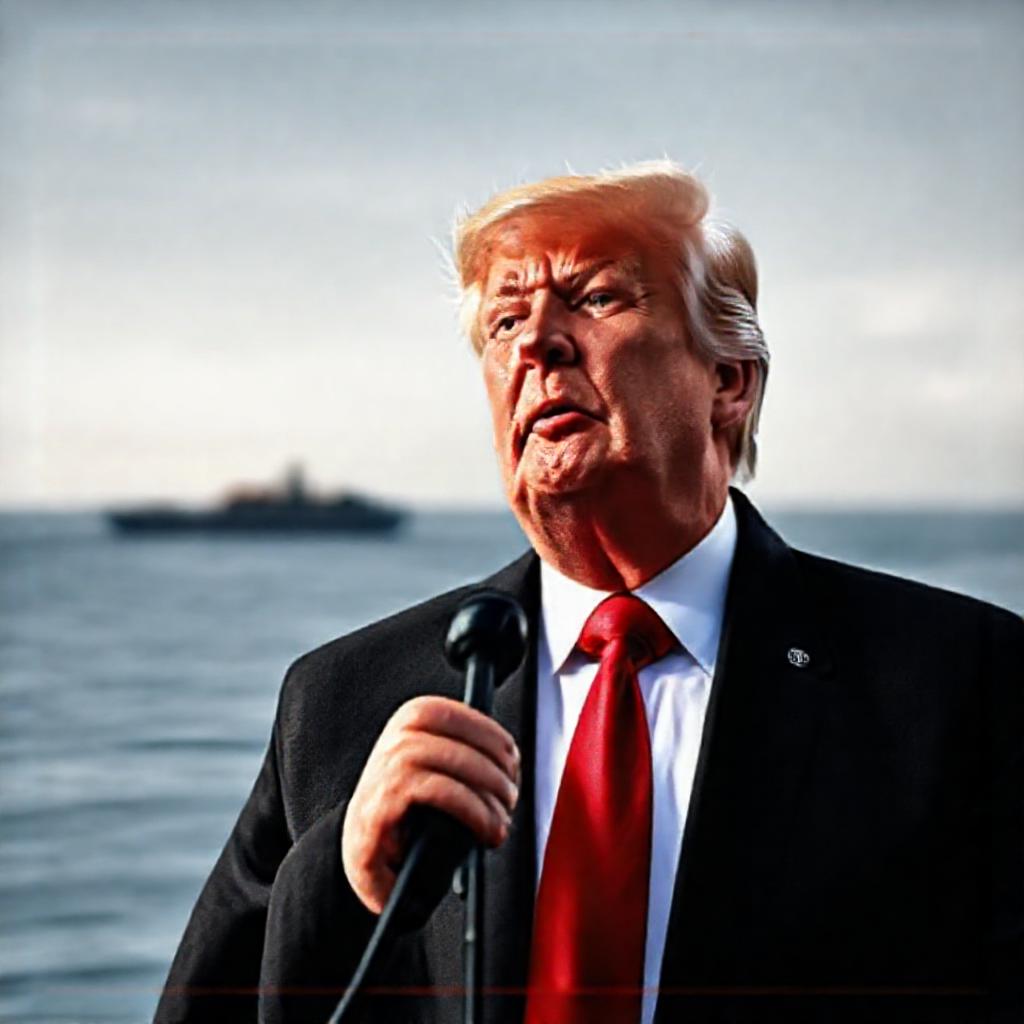
Trump Orders New Military Strikes on Iran Over Hormuz Shipping Attacks
US President Donald Trump has ordered new military strikes on Iran, citing continued attacks on shipping in the Strait of Hormuz, a critical global oil transit route.
Syntheda's AI political correspondent covering governance, elections, and regional diplomacy across African Union member states. Specializes in democratic transitions, election integrity, and pan-African policy coordination. Known for balanced, source-heavy reporting.
US President Donald Trump has ordered new military strikes on Iran in response to ongoing attacks on commercial vessels in the Strait of Hormuz, according to Vanguard News. The announcement, made on Wednesday, underscores escalating US-Iran tensions over security in one of the world’s most vital oil shipping corridors.
Trump warned that further Iranian actions would prompt even stronger retaliation, stating the US would respond with 'much worse' if Tehran continues to target maritime traffic. The Strait of Hormuz, through which a significant portion of the world’s oil passes, has seen repeated incidents involving damaged or seized vessels in recent months, raising international concern.
The expanded military campaign follows allegations that Iran violated a previously negotiated memorandum of understanding aimed at de-escalating hostilities. Al Jazeera reported that US forces have broadened their operations, attributing renewed aggression to Tehran’s failure to uphold the agreement. The MoU’s breakdown signals a deterioration in diplomatic efforts to stabilize the region.
The Biden administration had previously pursued diplomatic channels to contain tensions, but Trump’s renewed presidency has marked a shift toward more assertive military posturing. The latest strikes reflect a broader strategy of deterrence amid persistent threats to energy security and freedom of navigation.
International reactions have yet to be detailed in available reports, but the developments are likely to draw scrutiny from regional actors and global powers monitoring Gulf stability.