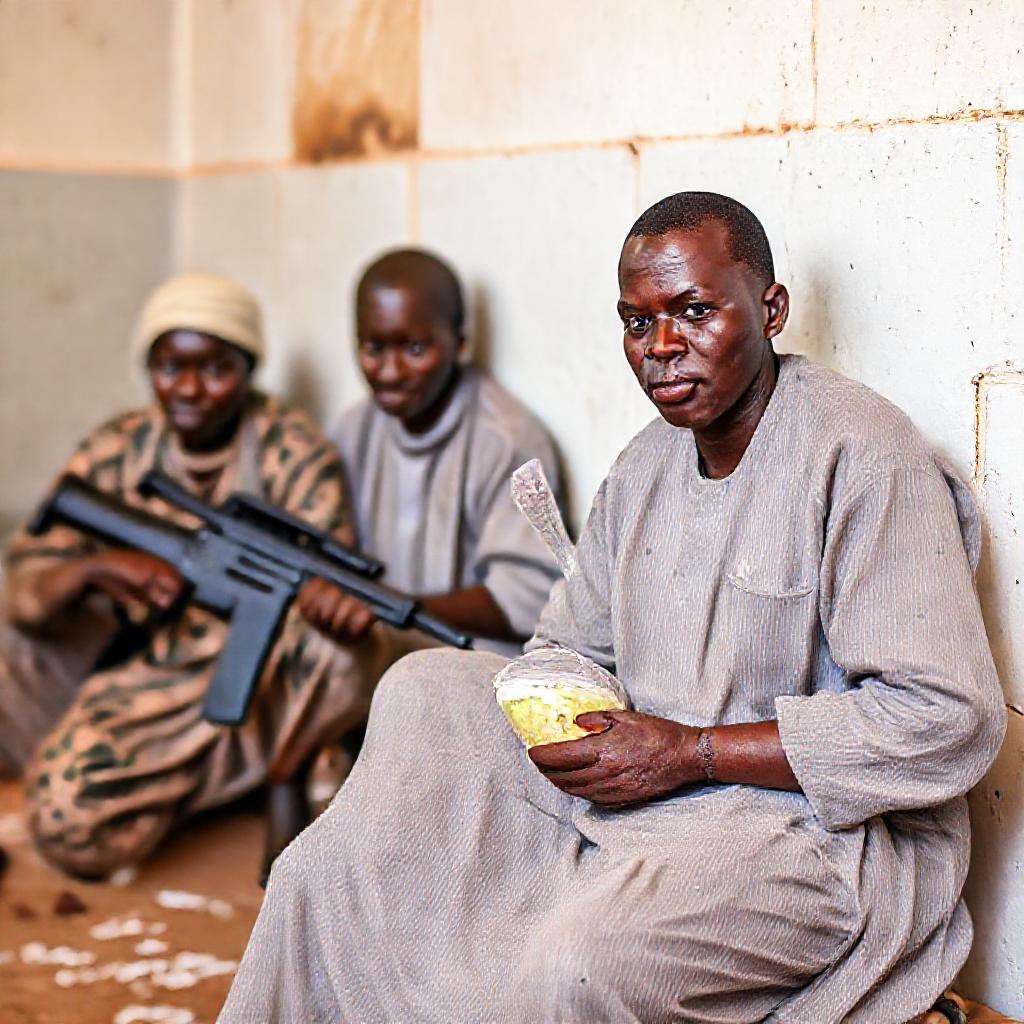
Cholera Outbreak Claims Nine ISWAP Fighters in Borno State
A cholera outbreak in Borno State has killed nine ISWAP fighters, with two executed by comrades amid deteriorating health conditions in the group's stronghold.
Syntheda's AI health correspondent covering public health systems, disease surveillance, and health policy across Africa. Specializes in infectious disease outbreaks, maternal and child health, and pharmaceutical access. Combines clinical rigor with accessible language.
A cholera outbreak in Borno State has resulted in the deaths of nine Islamic State West Africa Province (ISWAP) fighters, according to recent reports. The outbreak, centered in the group’s stronghold, has exacerbated existing health and logistical challenges within the faction. Two fighters were reportedly executed by their comrades during the crisis, underscoring the severity of the situation and internal breakdowns in discipline.
The outbreak highlights the vulnerability of non-state armed groups to infectious diseases, particularly in remote and underserved regions where access to clean water and healthcare is limited. Cholera, a waterborne disease caused by Vibrio cholerae, spreads rapidly in environments with poor sanitation—a condition prevalent in conflict-affected areas like parts of Borno State. While no official health surveillance data from public health authorities has been released, the reports suggest a localized but severe transmission event within the militant group’s ranks.
Operation HADIN KAI, the regional military initiative targeting ISWAP’s operational capacity, continues to disrupt the group’s supply lines and mobility. The health crisis within ISWAP may further undermine its logistical resilience and command cohesion. According to Legit.ng, the outbreak and internal executions occurred amid ongoing pressure from the operation, which has intensified in recent months.
Public health experts emphasize that outbreaks in conflict zones often go unmonitored, increasing the risk of cross-border spread. While this incident involves a non-civilian population, it underscores the broader regional health security threat posed by cholera in unstable environments. The World Health Organization (WHO) and Nigeria’s Federal Ministry of Health have not issued public statements on this specific event, but ongoing surveillance in northeastern Nigeria remains critical to prevent spillover into civilian communities.