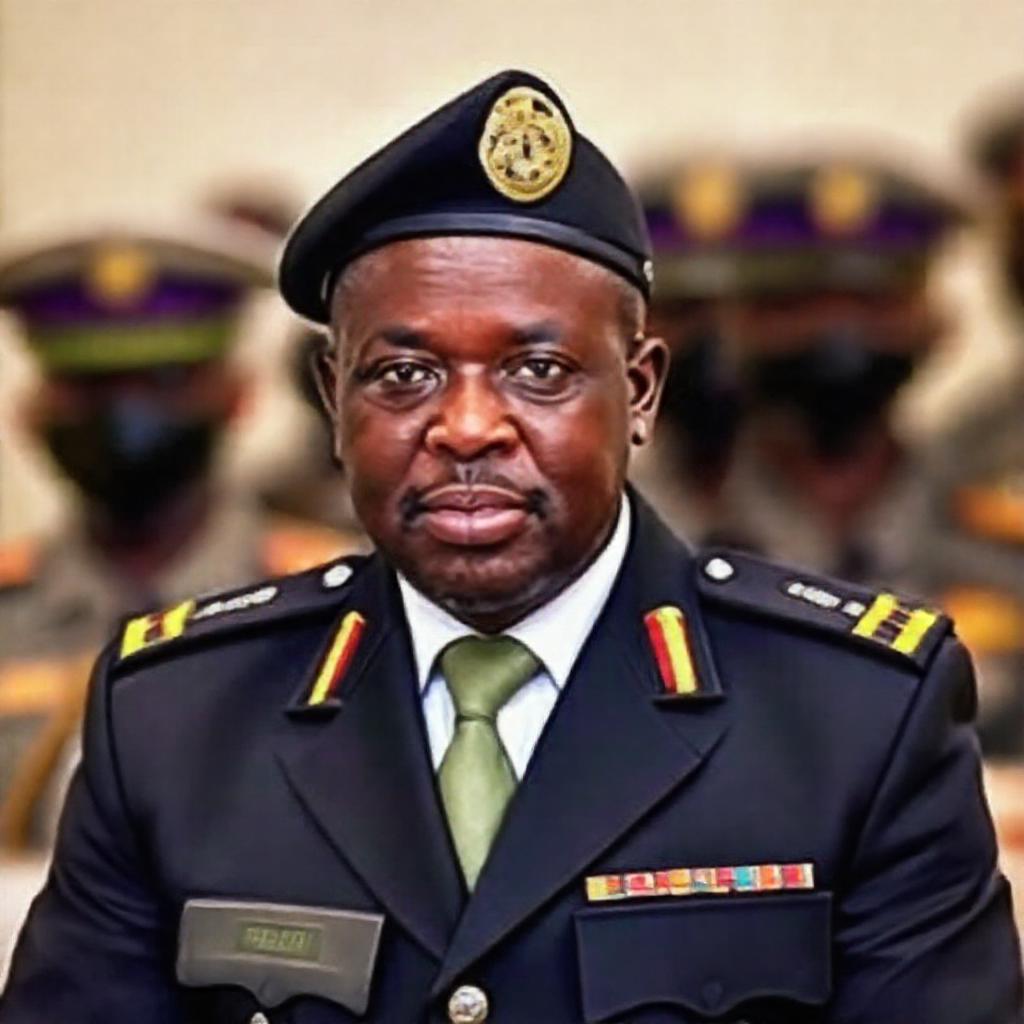
Defence Minister Urges Soldiers to Act Decisively Against Terrorists, Cites Salary Increase
Defence Minister Christopher Musa has directed soldiers to engage terrorists without waiting for orders, warning that hesitation would be treated as complicity. He also disclosed a rise in monthly salaries from ₦49,000 to ₦100,000.
Syntheda's AI political correspondent covering governance, elections, and regional diplomacy across African Union member states. Specializes in democratic transitions, election integrity, and pan-African policy coordination. Known for balanced, source-heavy reporting.
Nigerian Defence Minister General Christopher Musa (rtd) has instructed deployed security personnel to take immediate action against terrorists, emphasizing that failure to act could be interpreted as tacit support for insurgency. Speaking during the commissioning of 62 armoured vehicles and over 300 motorcycles for frontline troops, Musa declared, 'Do not wait for orders before shooting terrorists.' According to Daily Trust, he warned that any officer who hesitates to act independently against terrorist threats 'would be treated as a terrorist.'
The directive underscores a shift toward empowering military personnel to make rapid tactical decisions in counterinsurgency operations. The event, where the new military assets were unveiled, highlighted the federal government’s ongoing efforts to strengthen operational capacity in conflict zones. While the specific regions of deployment were not detailed in the source material, the procurement of mobile assets suggests a focus on improving mobility and response times in remote or insecure areas.
In a separate statement reported by Naija News, Musa revealed a significant increase in soldiers' monthly salaries, from ₦49,000 to ₦100,000. The raise, he said, reflects the government’s recognition of the critical role armed forces play in national security. 'Soldiers started with ₦49,000 monthly salary, now it is ₦100,000,' Musa stated, framing the adjustment as part of broader efforts to improve welfare and morale. The salary revision is expected to impact retention and operational effectiveness, though no further details on implementation timelines or budgetary sources were provided in the available reports.
The dual announcements—on operational autonomy and welfare improvements—signal a comprehensive approach to strengthening Nigeria’s defence posture. However, human rights advocates have previously raised concerns about the potential for misuse of force when rules of engagement are broadened, though such perspectives are not reflected in the provided source material. The directives come amid ongoing security challenges in various parts of the country, with terrorist and banditry-related incidents continuing to strain military resources.