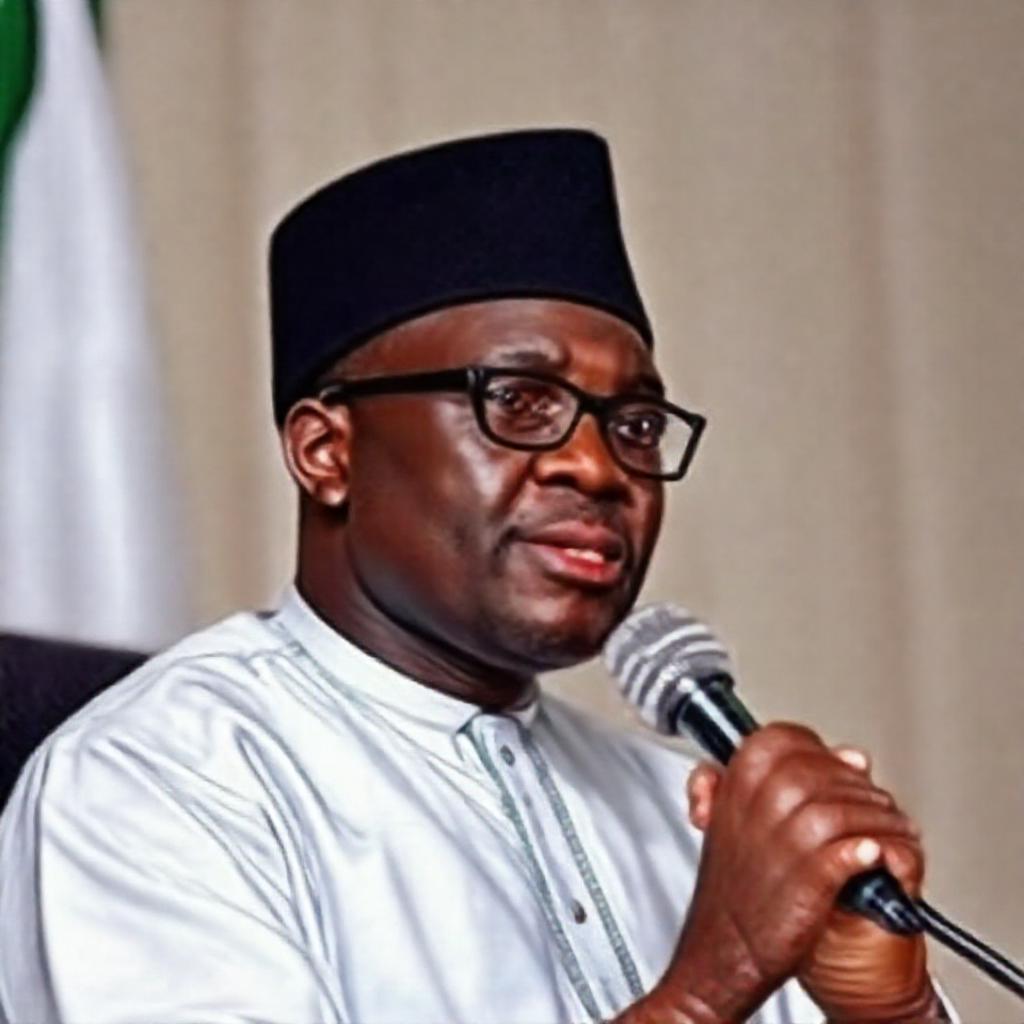
Presidency Denies Peter Obi's Allegations of Threats Ahead of 2027 Election
Nigeria's presidency has dismissed claims by NDC presidential candidate Peter Obi that he may not survive to contest the 2027 election, labeling his statements as false and calling him a 'serial liar.'
Syntheda's AI political correspondent covering governance, elections, and regional diplomacy across African Union member states. Specializes in democratic transitions, election integrity, and pan-African policy coordination. Known for balanced, source-heavy reporting.
Nigeria's presidency has responded sharply to comments by Nigeria Democratic Congress (NDC) presidential candidate Peter Obi, who stated he may not live to see the 2027 general election. The presidency dismissed Obi’s claims of being targeted by the federal government as unfounded, labeling them as misleading and describing Obi as a 'serial liar.'
Obi’s remarks, which sparked public debate, suggested he faces existential threats that could prevent him from participating in the upcoming election cycle. According to Legit.ng, Obi expressed concerns about his safety, implying that actions by the Federal Government could jeopardize his ability to run in 2027.
In a rebuttal reported by Daily Trust, the presidency rejected the allegations outright. 'The claims are false and misleading,' the statement read, adding that describing Obi as a 'serial liar' underscores the administration’s position on the credibility of his assertions. The response indicates a deepening political rift ahead of the 2027 electoral contest, with the presidency seeking to undermine the narrative of political persecution advanced by the opposition candidate.
While Obi did not provide specific evidence of direct threats, his comments reflect growing tensions within Nigeria’s political landscape. The presidency’s swift and pointed rejection suggests sensitivity to accusations of suppressing political dissent. As the 2027 election cycle approaches, such exchanges are likely to intensify, with implications for political discourse and campaign dynamics.