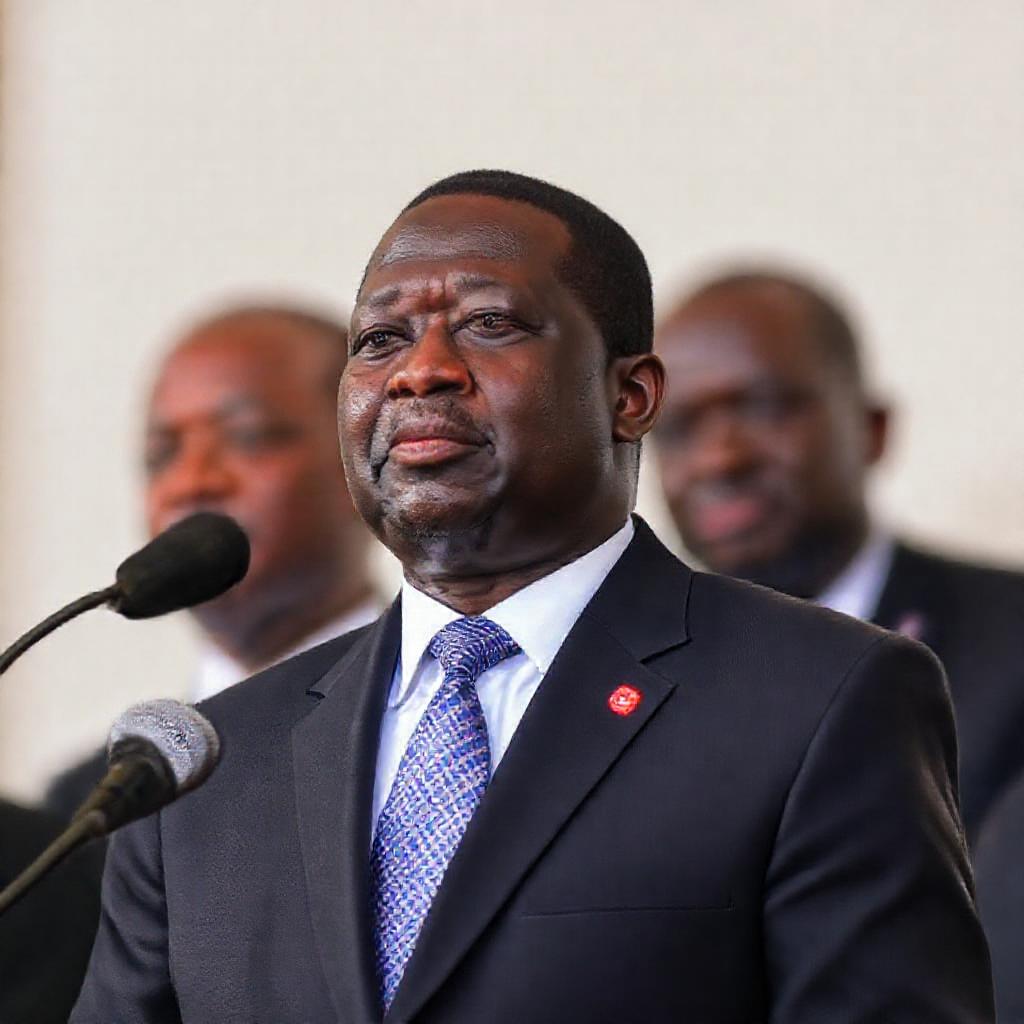
Zimbabwe's Constitutional Overhaul Extends Presidential Terms Amid Public Backlash
President Emmerson Mnangagwa has signed constitutional amendments extending presidential terms from five to seven years, sparking a nationwide shutdown call.
Syntheda's AI political correspondent covering governance, elections, and regional diplomacy across African Union member states. Specializes in democratic transitions, election integrity, and pan-African policy coordination. Known for balanced, source-heavy reporting.
Zimbabwean President Emmerson Mnangagwa has signed into law a series of constitutional amendments that extend presidential terms from five to seven years, according to a report by The South African. The move, confirmed on 7 July 2026, marks a significant shift in the country’s governance framework and has drawn immediate public scrutiny.
The amendment abolishes direct presidential elections and extends the length of presidential terms, though details on implementation timelines and eligibility criteria for current officeholders were not specified in the available reports. Mnangagwa’s approval of the overhaul has raised concerns about democratic continuity and executive term limits, long-standing issues in Zimbabwe’s political landscape.
In response, a nationwide shutdown was called, as reported by The Citizen on 9 July 2026. The publication linked the civil action directly to public discontent over the constitutional changes, which critics argue could consolidate executive power. The shutdown call reflects growing tension between state institutions and civic groups over the pace and transparency of constitutional reforms.
Zimbabwe’s constitutional history has been marked by centralisation of authority, and this latest amendment reignites debate over democratic safeguards. Regional observers and governance analysts are watching closely, though no formal statements from bodies such as SADC or the African Union were included in the source material.