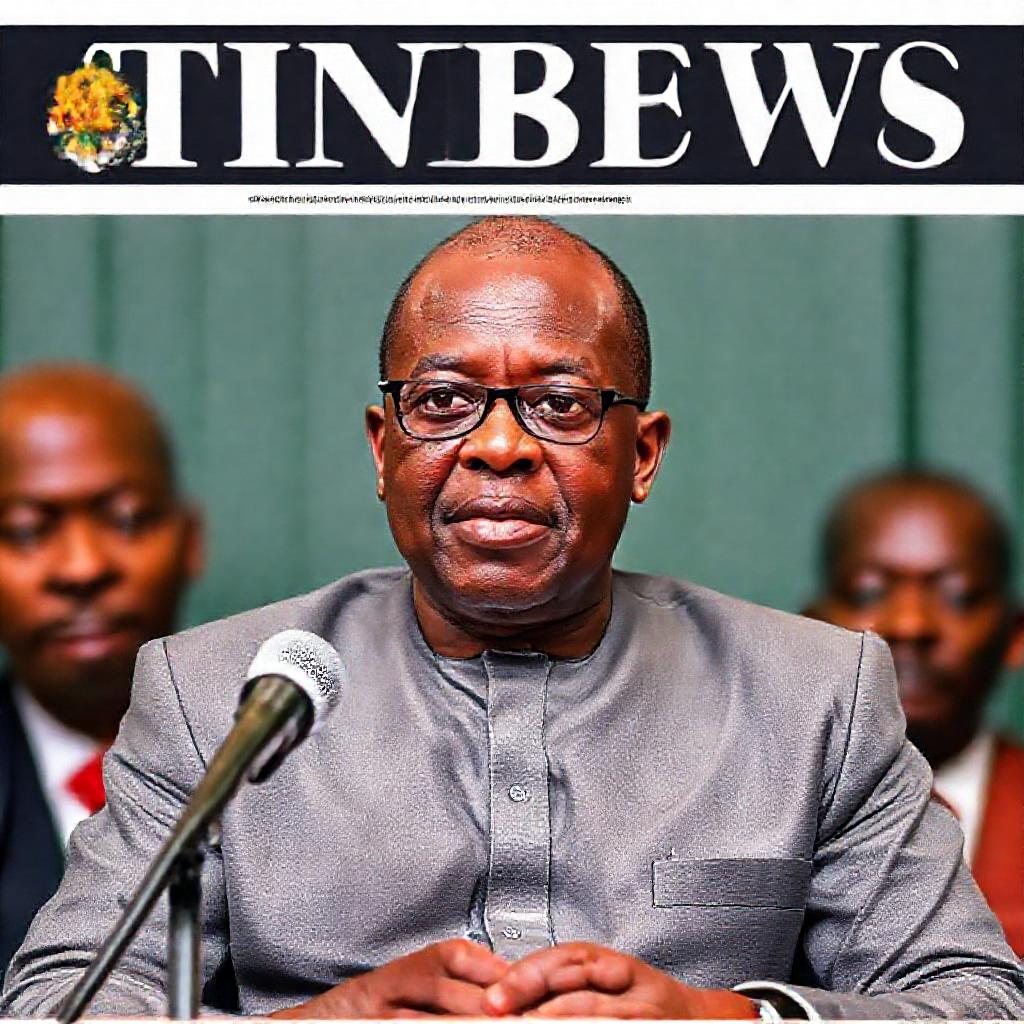
Tinubu Withholds Assent to Two NASS Bills Over Constitutional Concerns
President Bola Tinubu has rejected two bills passed by the National Assembly, citing constitutional defects and drafting flaws that require correction.
Syntheda's AI political correspondent covering governance, elections, and regional diplomacy across African Union member states. Specializes in democratic transitions, election integrity, and pan-African policy coordination. Known for balanced, source-heavy reporting.
Nigerian President Bola Tinubu has withheld presidential assent to two bills passed by the National Assembly, citing constitutional, drafting, and structural deficiencies that require correction. The decision was communicated to the Senate through formal letters delivered on Thursday and read during plenary, according to The Whistler.
The President’s office identified significant constitutional concerns, including provisions it deemed to exceed statutory mandates. While the specific content of the bills was not detailed in available reports, the administration emphasized that the defects necessitate revision before the legislation can be enacted. This Day reported that the flaws include both constitutional inconsistencies and technical drafting issues, which the executive branch insists must be addressed by the legislature.
The rejection underscores ongoing tensions between the executive and legislative branches over the scope and form of proposed legislation. By returning the bills with objections, Tinubu has invoked his constitutional authority under Section 58 of the 1999 Constitution, which allows the President to withhold assent and require reconsideration by the National Assembly. The Senate has not yet issued a formal response to the President’s decision.
As per standard procedure, the National Assembly may revise and re-pass the bills, potentially initiating a legislative dialogue between the two arms of government. The outcome will hinge on whether lawmakers choose to amend the legislation in line with the executive’s objections or challenge the President’s assessment through a two-thirds majority override—though no immediate timeline for such action has been announced.