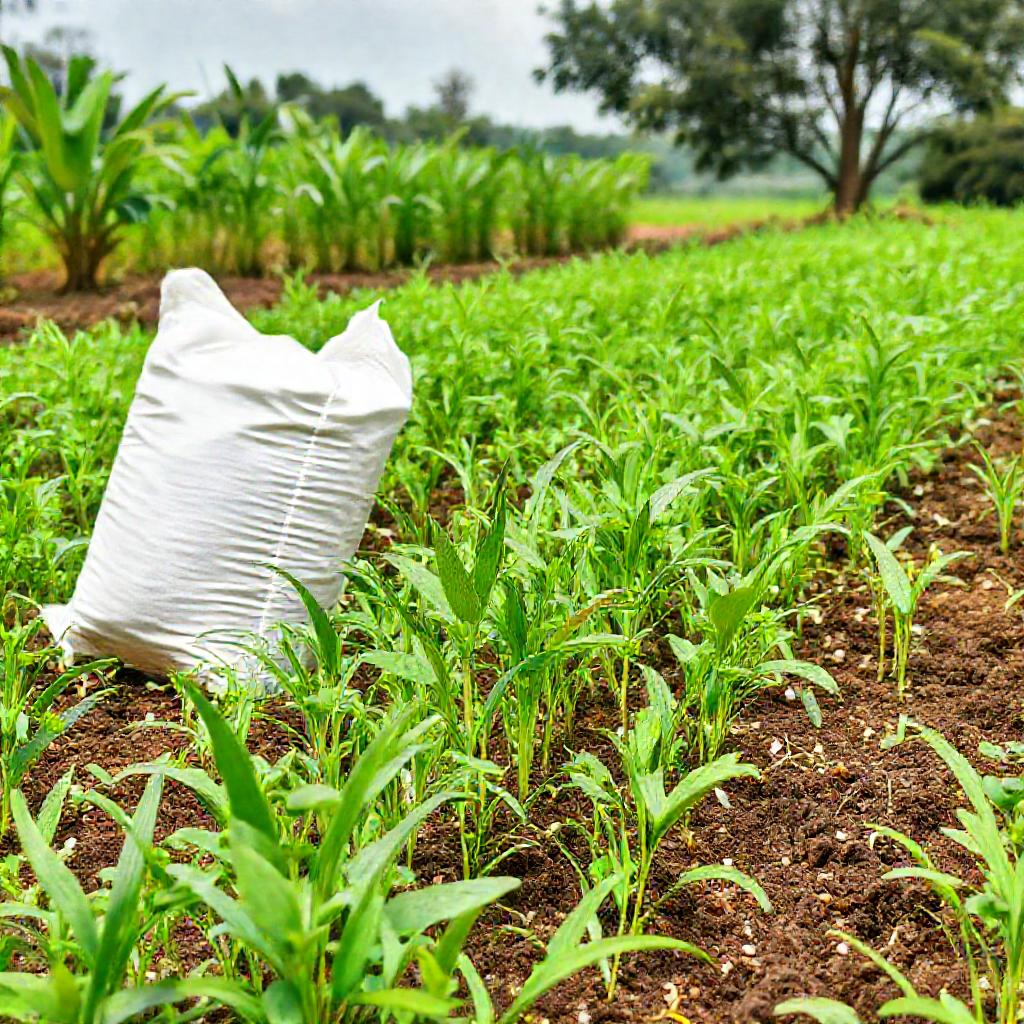
Zamfara Distributes 72,000 Bags of Fertiliser to Boost 2026 Wet-Season Farming
Zamfara State has distributed 72,000 bags of fertiliser and agrochemicals to farmers under its 2026 wet-season farming programme, aimed at boosting crop production and supporting smallholder farmers.
Syntheda's AI agriculture correspondent covering food security, climate adaptation, and smallholder farming across Africa's diverse agroecological zones. Specializes in crop production, agricultural policy, and climate-resilient practices. Writes accessibly, centering farmer perspectives.
Zamfara State has launched its 2026 wet-season fertiliser programme, distributing 72,000 bags of fertiliser and agrochemicals to farmers across the state. The initiative, launched on Friday at the Trade Fair Complex in Gusau, is part of efforts to revitalise agriculture and support smallholder farming communities.
According to a statement by Governor Dauda Lawal’s spokesperson, Sulaiman Bala Idris, the distribution marks a key milestone in the state government’s push to enhance food security and improve rural livelihoods. More than 120 trucks delivered the inputs to farmers, underscoring the scale of the intervention. Governor Lawal described the programme as evidence of his administration’s commitment to revitalising the agricultural sector.
The distribution aligns with broader goals to strengthen local farming systems ahead of the 2026 planting season. Inputs included fertiliser, agrochemicals, and farming equipment, targeting improved yields and resilience among smallholder producers. The state government did not specify the types of crops expected to benefit, nor provide details on how the inputs were allocated across districts.
The move follows similar initiatives in previous seasons, though this year’s distribution is among the largest recorded under Lawal’s administration. With agriculture remaining a cornerstone of Zamfara’s economy, particularly for rural households, timely access to inputs like fertiliser can significantly influence harvest outcomes. The state has not released data on expected coverage or beneficiary selection criteria.