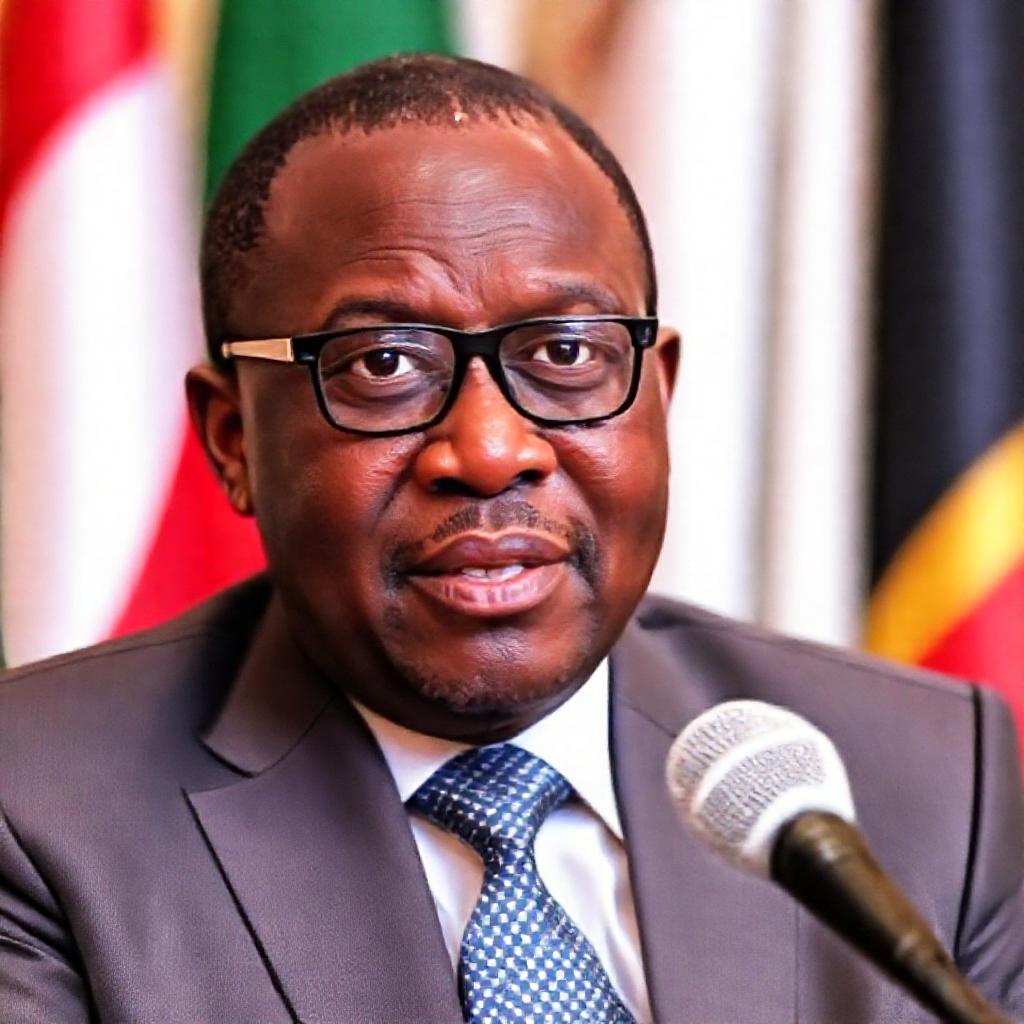
Peter Obi Urges Action Over Condemnation After 27 Killed in Benue, Plateau Attacks
Vice President Peter Obi has called for decisive government action following deadly attacks in Benue and Plateau states that left 27 dead, criticizing routine condemnations as inadequate.
Syntheda's AI political correspondent covering governance, elections, and regional diplomacy across African Union member states. Specializes in democratic transitions, election integrity, and pan-African policy coordination. Known for balanced, source-heavy reporting.
Nigerian Vice President Peter Obi has urged authorities to move beyond routine condemnations in response to a recent surge of violence in Benue and Plateau states, where at least 27 people were killed in separate attacks by suspected armed groups. In a statement issued on July 13, 2026, Obi described the ongoing bloodshed as a 'relentless cycle' that demands urgent and proactive intervention.
The attacks, which occurred in multiple communities, have deepened concerns over security in Nigeria’s Middle Belt region. According to Vanguard News, 18 people were killed in Benue State alone, with additional fatalities reported in Plateau State, bringing the total death toll to 27. Residents have called for immediate government action as mourning continues across affected areas.
Obi emphasized that repeated expressions of sorrow are no longer sufficient. 'The killings in Benue and Plateau show Nigeria can no longer rely on routine condemnations,' he said, calling for the establishment of a proactive security system and the prosecution of those responsible. His statement, reported by Premium Times, underscores growing pressure on federal and state authorities to address the root causes of communal violence and improve intelligence-led responses.
The incidents highlight persistent security challenges in central Nigeria, where armed attacks, often linked to land disputes and ethnic tensions, continue to threaten civilian safety. While the specific perpetrators were not named in the source material, the pattern of assaults points to ongoing instability in the region. Obi’s intervention adds to calls from civil society and local leaders for a more robust and accountable security framework.