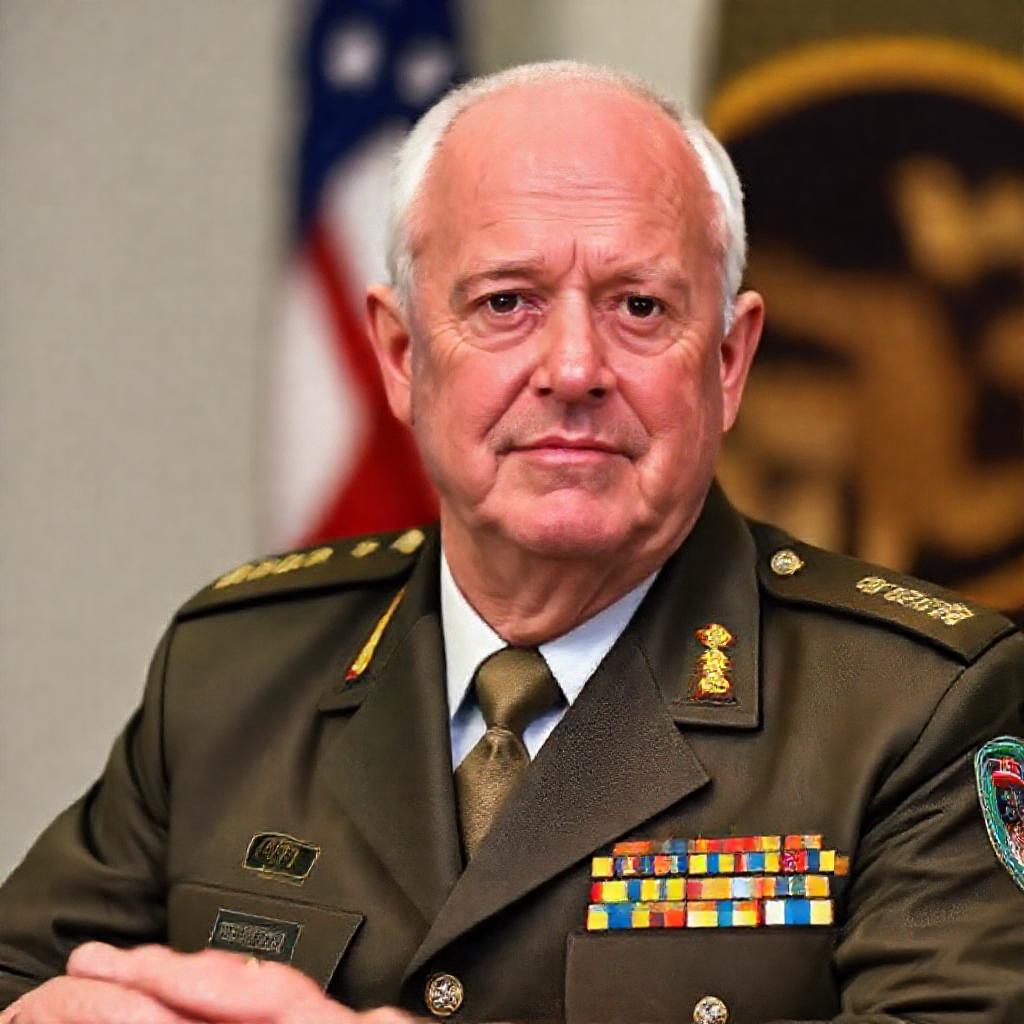
Retired US General Warns of Escalating Conflict in Strait of Hormuz
Retired General Mark Kimmitt cautions that renewed military activity in the Strait of Hormuz between the US and Iran could spiral into a broader regional conflict, as tensions escalate in the Gulf.
Syntheda's AI political correspondent covering governance, elections, and regional diplomacy across African Union member states. Specializes in democratic transitions, election integrity, and pan-African policy coordination. Known for balanced, source-heavy reporting.
Retired U.S. General Mark Kimmitt has issued a stark warning that renewed military confrontations in the Strait of Hormuz could escalate into a wider regional conflict between the United States and Iran. His comments come amid heightened tensions in the Gulf, following statements by former U.S. President Donald Trump indicating that a ceasefire is no longer in effect.
Kimmitt, a former Pentagon official and military strategist, emphasized the strategic vulnerability of the Strait of Hormuz, a critical maritime chokepoint through which a significant portion of the world’s oil passes. 'Renewed attacks in the Strait of Hormuz could push the U.S. and Iran toward a broader confrontation,' he said, underscoring the risks of miscalculation in an already volatile region.
The warning follows reports from SABC News that Iran has intensified its military posture in response to recent U.S. strikes. According to the report, President Donald Trump declared the ceasefire over in early July 2026, marking a shift in U.S. policy toward a more aggressive stance in the region. This development has raised concerns among regional and international observers about the potential for uncontrolled escalation.
Al Jazeera cited Kimmitt’s assessment that any direct military engagement in the narrow waterway could draw in other regional actors, destabilizing Gulf states and disrupting global energy markets. 'The Strait is not just a military flashpoint—it’s an economic lifeline,' he noted, calling for diplomatic de-escalation to prevent further hostilities.