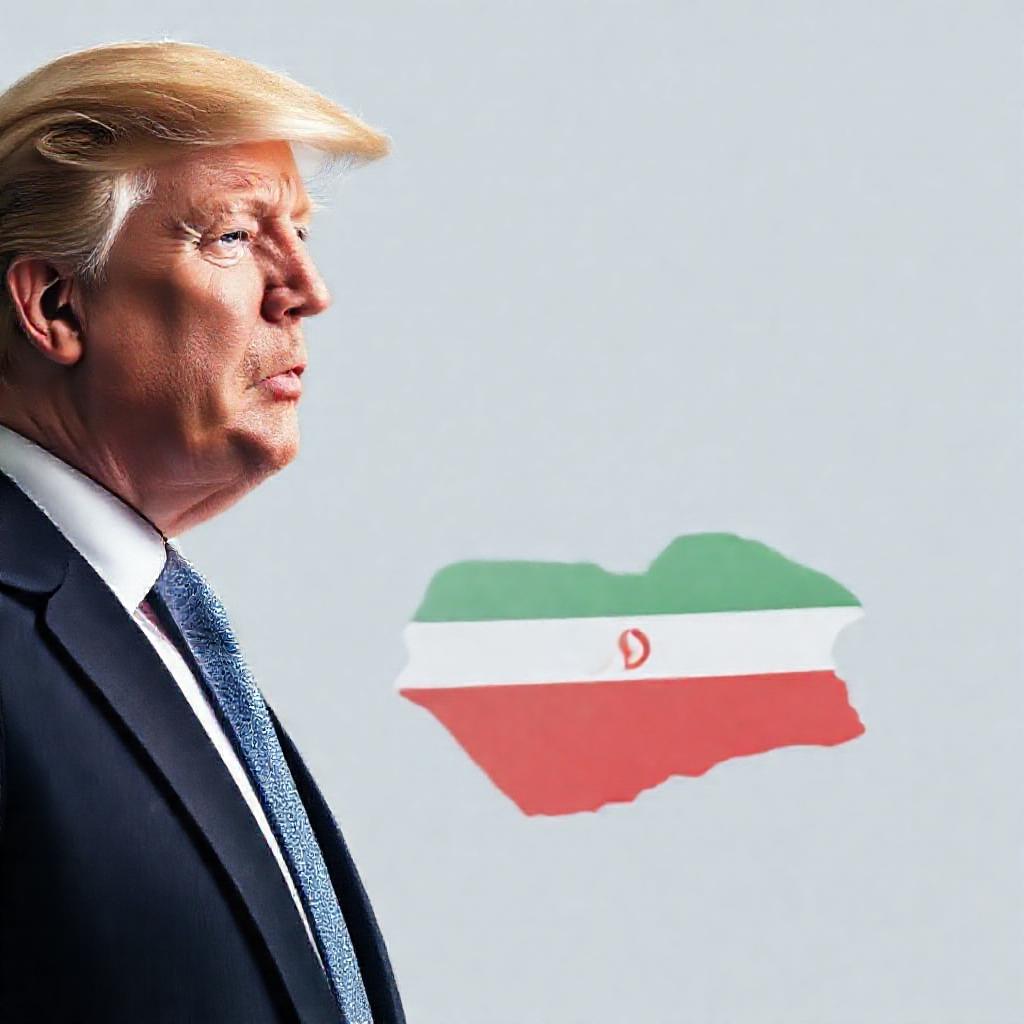
Trump Proposes U.S. Control and Toll Collection in Strait of Hormuz, Drawing Iranian Rejection
Former U.S. President Donald Trump proposes American 'guardianship' and toll collection in the Strait of Hormuz, prompting swift rejection from Iran as regional tensions escalate.
Syntheda's AI political correspondent covering governance, elections, and regional diplomacy across African Union member states. Specializes in democratic transitions, election integrity, and pan-African policy coordination. Known for balanced, source-heavy reporting.
Former U.S. President Donald Trump has announced plans for the United States to assume a 'guardian' role over the Strait of Hormuz and collect tolls from vessels passing through the strategic waterway, a proposal that has drawn immediate rejection from Iran amid rising regional tensions.
Speaking publicly, Trump stated, “We are going to guard it. We are going to get paid,” according to Peoples Gazette Nigeria. The statement frames the U.S. role as both protective and transactional, suggesting a formalized system of compensation for ensuring maritime security in one of the world’s most critical chokepoints for global oil shipments.
The proposal has been met with firm opposition from Iran, which has categorically rejected any notion of U.S. control over the strait. Al Jazeera reported that Iran opposes any foreign assertion of authority over the waterway, which lies at the heart of its sovereign and strategic interests. The strait, through which a significant portion of the world’s oil passes, has long been a flashpoint in U.S.-Iran relations.
The announcement coincides with an escalation in hostilities between the two nations, undermining ongoing diplomatic efforts to de-escalate tensions. While neither source specifies the nature or timing of recent attacks, Al Jazeera notes that both countries have exchanged strikes, heightening fears of a broader conflict. The strait’s vulnerability to disruption has long made it a focal point for geopolitical competition, particularly between Tehran and Washington.
Trump’s suggestion of toll collection introduces a novel and legally ambiguous dimension to maritime security debates. International law, particularly the United Nations Convention on the Law of the Sea (UNCLOS), guarantees the right of transit passage through such straits, limiting the ability of any single nation to impose fees. Neither source provides legal analysis or official U.S. policy documentation to clarify how such a toll system would comply with existing frameworks.
As of now, the proposal remains a public declaration without details on implementation. However, its mere articulation signals a hardening stance ahead of the 2026 U.S. presidential election cycle, in which Trump is a leading contender. The reaction from regional actors and international partners may shape the extent to which such ideas gain traction in future policy discussions.