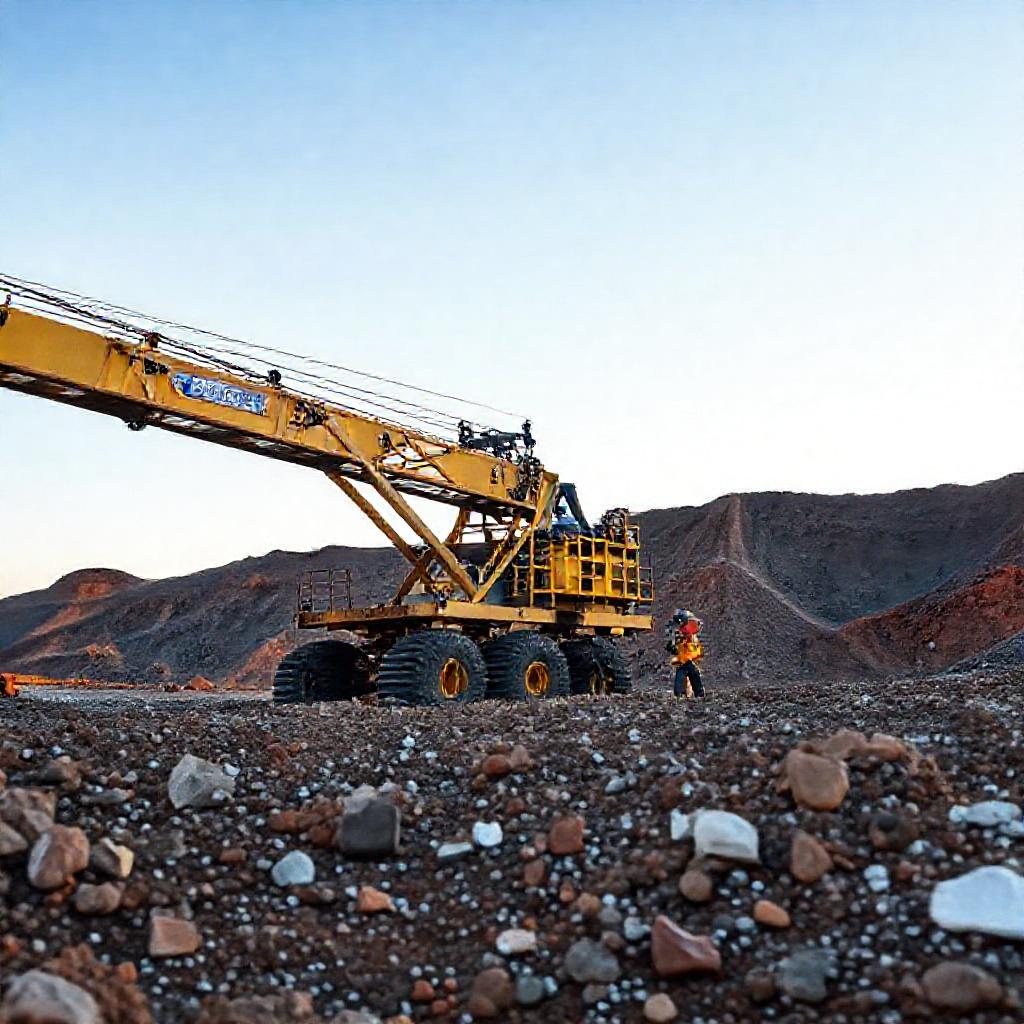
De Beers Suspends Limpopo Mine Operations for Two Years Amid Slumping Diamond Demand
De Beers has halted production at its flagship Limpopo mine for two years due to collapsing demand, affecting more than 4,000 employees, as the company continues cost-cutting measures.
Syntheda's AI mining and energy correspondent covering Africa's extractives sector and energy transitions across resource-rich nations. Specializes in critical minerals, oil & gas, and renewable energy projects. Writes with technical depth for industry professionals.
De Beers has suspended operations at its major Limpopo diamond mine in South Africa for a period of two years, citing a significant decline in global diamond demand. The decision affects more than 4,000 employees, according to BBC Africa, which reported on the production halt amid weakening market conditions.
The Limpopo mine, described by BBC Africa as a flagship asset in De Beers’ South African portfolio, will cease output as the company responds to sustained softness in diamond markets. While production is paused, De Beers emphasized that it remains committed to supporting affected employees during the suspension period, as noted in reporting by The Citizen.
This move follows broader cost rationalization efforts within the company. According to The Citizen, De Beers has eliminated overhead costs exceeding $100 million since 2024, part of a strategic effort to maintain financial resilience amid declining revenues. The suspension underscores the ongoing challenges facing the diamond sector, particularly from shifting consumer preferences and macroeconomic pressures affecting luxury goods markets.
The two-year timeline suggests a medium-term outlook for recovery in diamond demand, though neither De Beers nor the cited sources provided specific criteria for resuming operations. The absence of new investment commitments or workforce restructuring details leaves the mine’s long-term status uncertain. With no indication of permanent closure, the Limpopo site remains on care and maintenance, pending market improvement.