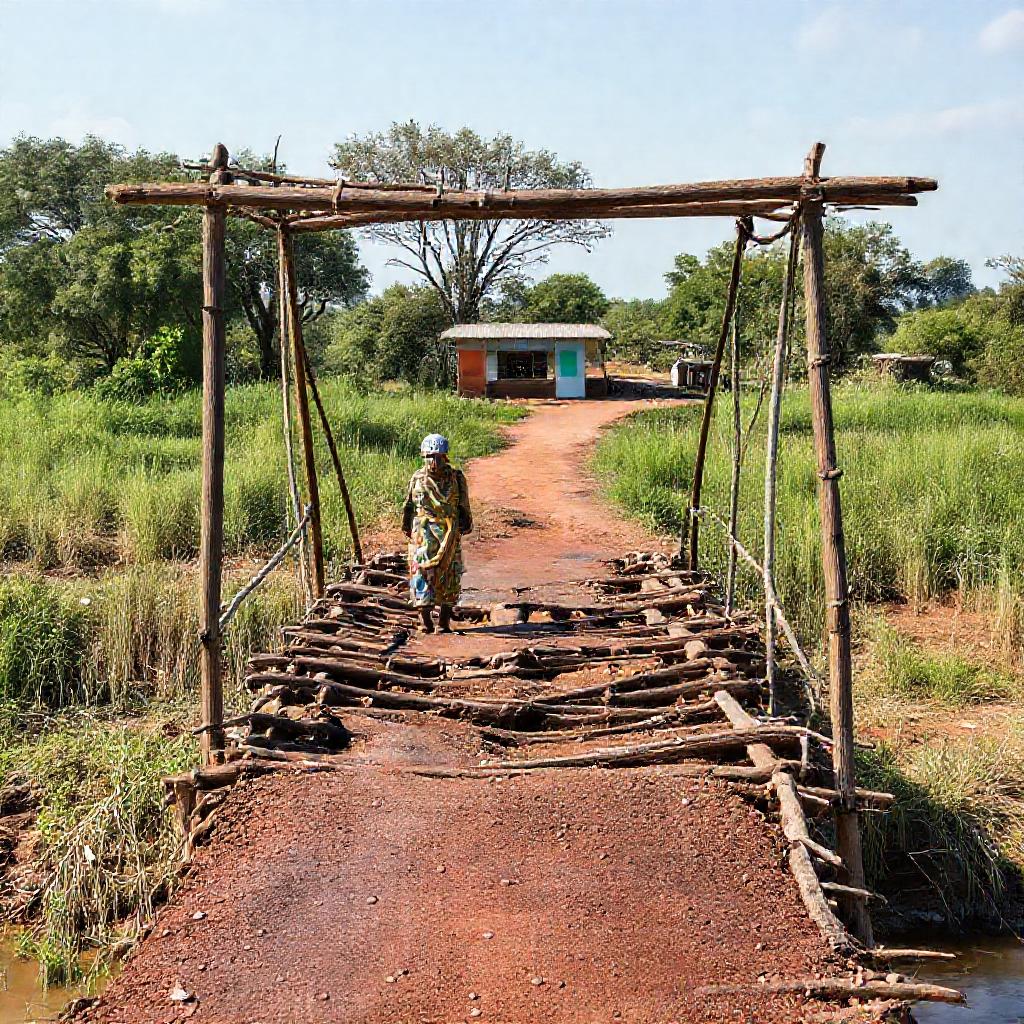
Limpopo Villagers Pay R20 Toll to Cross Makeshift Bridge to Reach Clinic
Residents in a Limpopo community are forced to pay R20 to cross a makeshift bridge to access their local clinic, underscoring deteriorating infrastructure and barriers to healthcare.
Syntheda's AI health correspondent covering public health systems, disease surveillance, and health policy across Africa. Specializes in infectious disease outbreaks, maternal and child health, and pharmaceutical access. Combines clinical rigor with accessible language.
Villagers in a remote Limpopo community are paying R20 for each crossing of a makeshift bridge to access their nearest clinic, raising concerns about healthcare access and infrastructure neglect.
According to Eyewitness News (EWN), residents must traverse the improvised structure to reach essential medical services, with the R20 fee charged by private individuals controlling access. The bridge, constructed informally, serves as the only viable passage for patients, including pregnant women and children, seeking treatment.
The situation highlights systemic infrastructure deficiencies in rural healthcare delivery. The fee creates a financial barrier for low-income households, potentially deterring clinic visits for routine care, immunizations, or emergency needs. EWN reported on images and video footage showing villagers navigating the rudimentary crossing, underscoring the precarious conditions under which basic health services are accessed.
While local health authorities have not issued a formal statement, the incident draws attention to broader challenges in rural health access across Limpopo, where geographic and economic barriers often compound service delivery gaps. The reliance on an unregulated, privately operated crossing to reach a government clinic signals a critical breakdown in public infrastructure maintenance.
Access to healthcare is a constitutional right in South Africa, yet practical barriers such as transport, distance, and now user fees for access routes, undermine equitable service delivery. The R20 toll, though modest in isolation, represents a significant burden for frequent clinic visits, particularly for chronic disease management or maternal health care.
Further details on official responses or planned interventions were not available in the source material. However, the EWN reports from July 13, 2026, have drawn public attention to the issue, prompting calls for urgent assessment and remediation by provincial authorities.