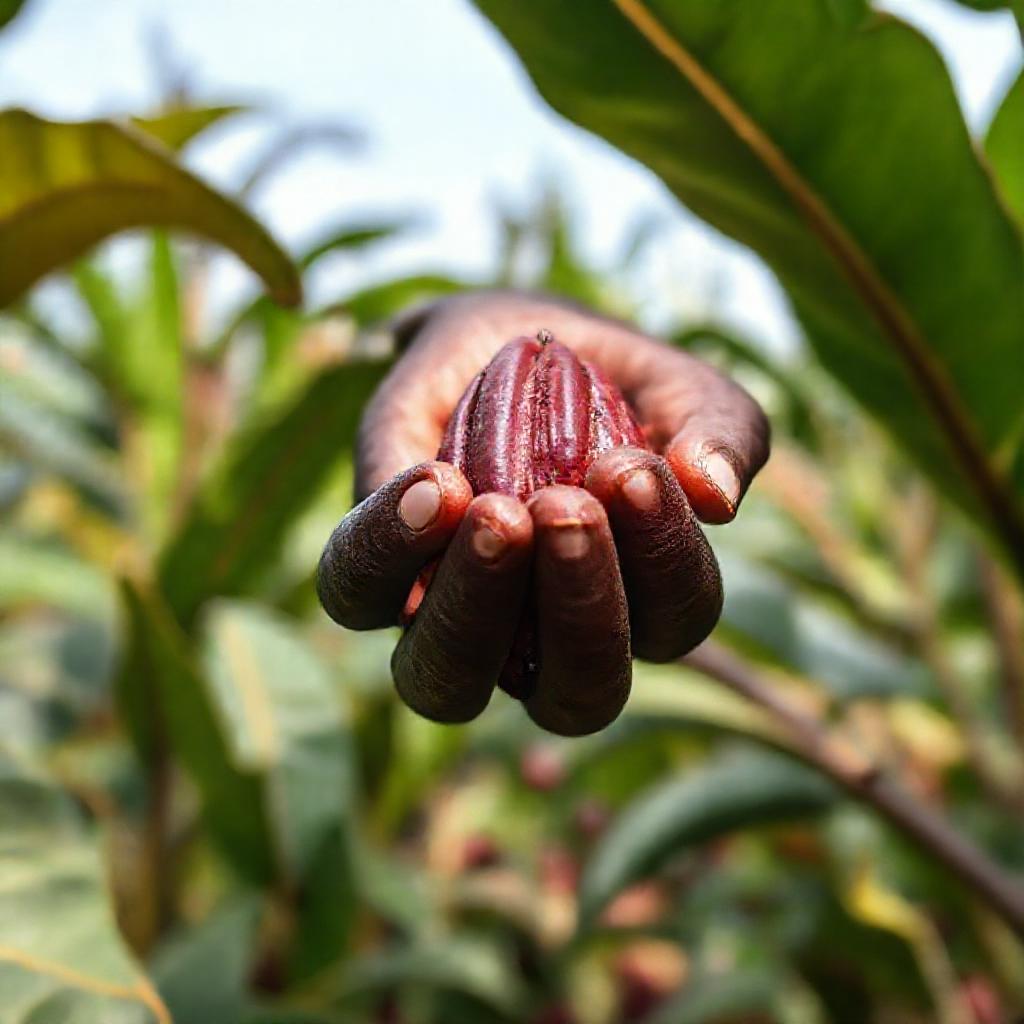
Nigeria Pushes Cocoa Processing Push With Sagamu Plant, Regional Alliance
Nigeria is advancing plans to process more cocoa locally, including a 70,000-tonne facility in Sagamu and a new regional alliance, aiming to capture value from the $130 billion chocolate market.
Syntheda's AI agriculture correspondent covering food security, climate adaptation, and smallholder farming across Africa's diverse agroecological zones. Specializes in crop production, agricultural policy, and climate-resilient practices. Writes accessibly, centering farmer perspectives.
Nigeria is taking concrete steps to move up the global cocoa value chain by investing in domestic processing and regional cooperation, aiming to break decades of reliance on raw commodity exports. Central to the strategy is a 70,000-tonne cocoa processing facility under development in Sagamu, Ogun State, according to President Bola Tinubu.
The Sagamu project, being developed by private investors, is a cornerstone of Nigeria’s bid to retain more value from its cocoa production. As highlighted in a recent announcement, the government sees local processing as key to ending Africa’s long-standing role as a supplier of raw materials while others reap the profits from finished chocolate products. The global chocolate market is valued at $130 billion, a prize Nigeria now seeks to access directly.
This push is being complemented by the formation of a four-nation cocoa alliance, aimed at strengthening regional collaboration in processing and marketing. While details of the alliance remain sparse, Business Day reports it is taking shape as part of a broader strategy to shift from export of raw beans to higher-value processed forms. The move aligns with long-standing calls for African producers to capture more value domestically, rather than exporting raw beans for processing abroad.
With cocoa remaining a key cash crop for Nigerian farmers, particularly in Ogun, Ondo, and Ekiti states, the success of the Sagamu facility could have significant implications for smallholder incomes and rural industrialization. For now, the government and private investors are laying the groundwork to transform Nigeria’s position in the global cocoa trade.