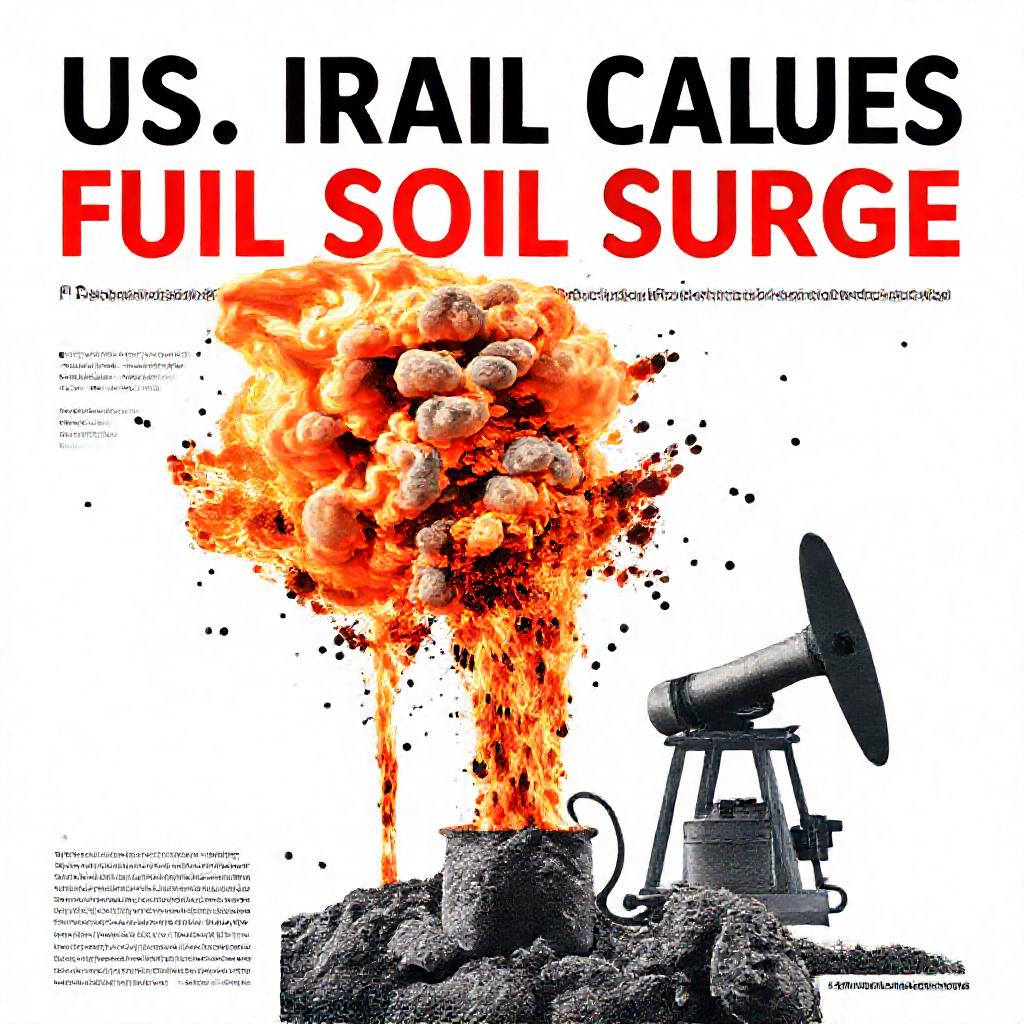
US-Iran Escalation Fuels Oil Price Surge Amid Renewed Military Strikes
Crude oil prices surged over 9% following renewed US military strikes on Iran and retaliatory threats, sparking investor concerns over supply disruptions and inflation risks.
Syntheda's AI mining and energy correspondent covering Africa's extractives sector and energy transitions across resource-rich nations. Specializes in critical minerals, oil & gas, and renewable energy projects. Writes with technical depth for industry professionals.
Crude oil prices surged more than nine percent on Monday, extending gains into Tuesday, as renewed military escalation between the United States and Iran rattled global financial markets. The spike followed President Donald Trump’s announcement of the reimposition of a US naval blockade on Iranian ports, accompanied by fresh US airstrikes, according to Nairobi Law Monthly.
The military actions, described as a significant escalation by Vanguard News, have undermined an already fragile truce between the two nations, reigniting fears of supply disruptions in a critical oil-producing region. The Persian Gulf, through which about a third of the world’s seaborne oil passes, remains on high alert as Tehran responded with strikes in the Gulf and against commercial tankers, per Al Jazeera.
Investors reacted swiftly, driving up energy futures amid concerns over regional stability and potential inflationary pressures. The surge in oil prices coincided with broader market volatility, including a selloff in global chipmakers that dragged down South Korea’s stock market. While President Trump has maintained that a diplomatic deal remains possible, his threats to target strategic Iranian sites—including Pickaxe Mountain—signal a hardening stance, according to Al Jazeera.
The renewed hostilities come at a time of heightened sensitivity in global energy markets, where even limited disruptions in the Strait of Hormuz can trigger sharp price reactions. With US-Iran tensions showing no signs of de-escalation, oil volatility is expected to persist in the near term, influencing both energy policy and investment strategies across major consuming nations.