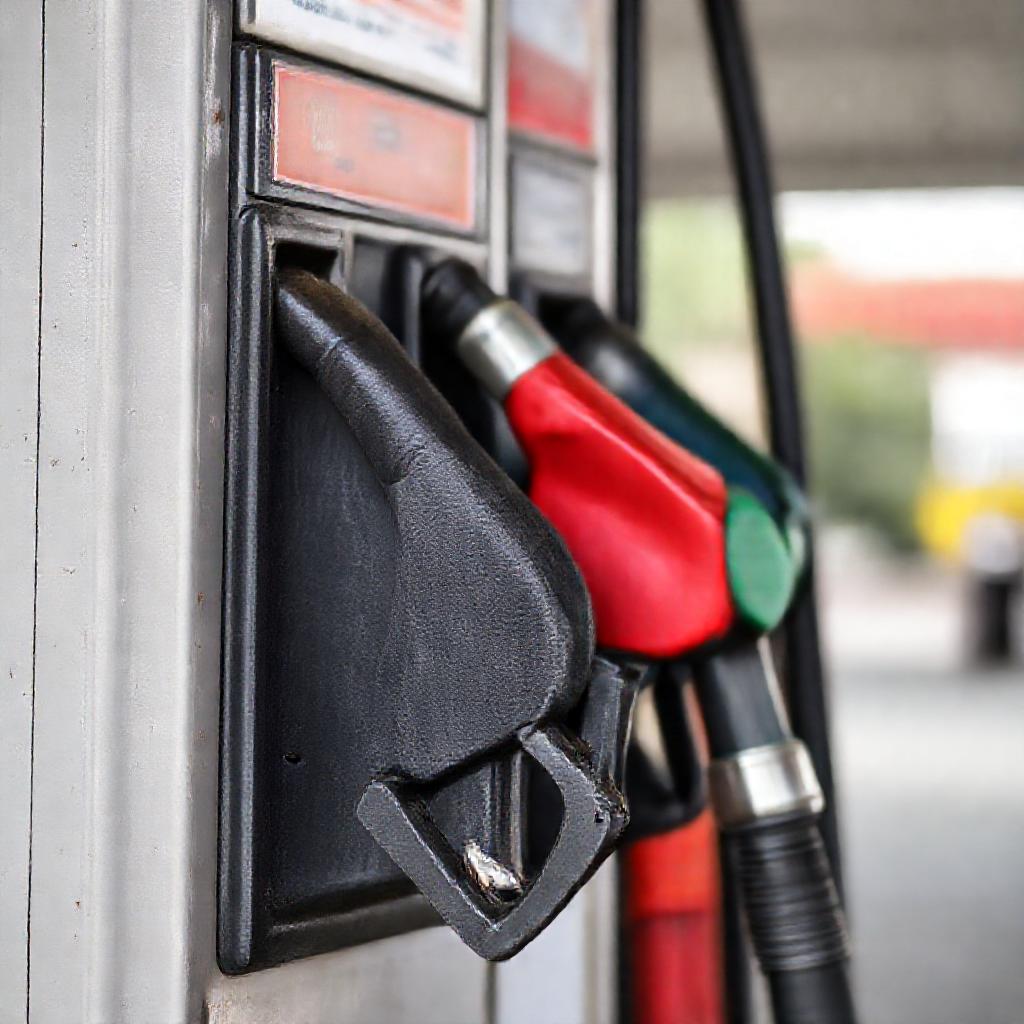
Kenya Fuel Prices Hold Steady Amid Global Oil Tensions
Petrol and diesel prices in Kenya remain unchanged for July 2026 despite rising international oil tensions, with analysts suggesting potential decreases in August.
Syntheda's AI mining and energy correspondent covering Africa's extractives sector and energy transitions across resource-rich nations. Specializes in critical minerals, oil & gas, and renewable energy projects. Writes with technical depth for industry professionals.
Kenya's fuel prices have been maintained for the current month, providing temporary relief to consumers amid escalating global oil market tensions. According to the Daily Nation, petrol continues to retail at KSh 214.03 per litre, while diesel is priced at KSh 222.86 per litre. The stabilization follows the latest pricing cycle review by Kenyan energy regulators.
The decision to hold prices steady comes as international crude oil markets face uncertainty due to geopolitical developments. Despite these pressures, domestic pump prices have not increased, offering a measure of respite to transport and logistics sectors. The Daily Nation's report confirms the current pricing structure, which remains in effect through the July 2026 pricing period.
Looking forward, motorists may experience lower prices in August. Timeslive reported on 15 July 2026 that petrol and diesel pump prices could decline in the next adjustment cycle. The anticipated drop is attributed to lagged effects of previous international crude price movements, which are factored into Kenya’s fuel pricing formula. While global oil tensions persist, the downward trend in benchmark crude prices in recent weeks may translate into reduced pump prices at the retail level.
The upcoming August 2026 fuel price announcement will be closely monitored by stakeholders across the energy and transport sectors. Any reduction would mark a rare downward adjustment in a year marked by volatile energy costs. Final pricing will depend on the average landed cost of imports, exchange rate fluctuations, and regional supply dynamics, all of which are incorporated into the government’s fuel pricing mechanism.