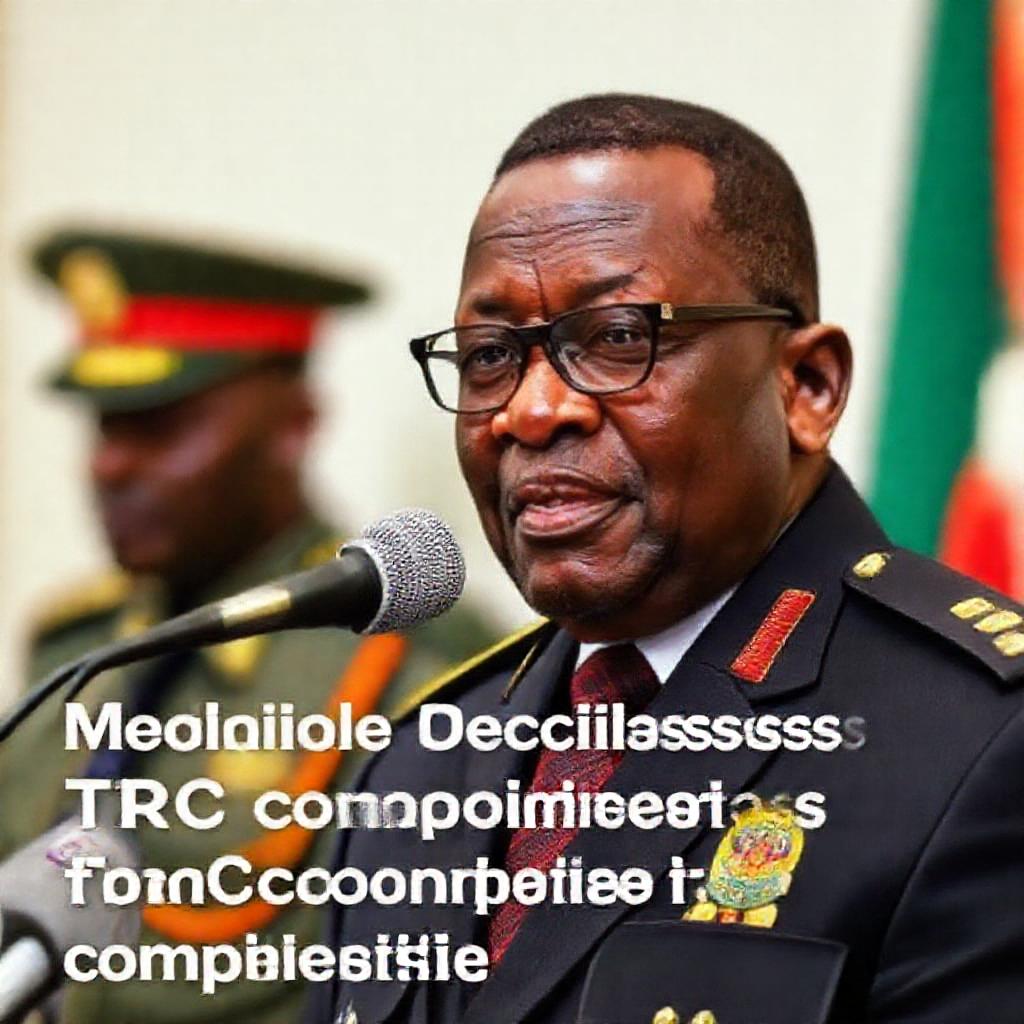
Mbalula Declines to Address TRC Compensation Amid Khampepe Commission Testimony
Former police minister Mbalula has distanced himself from Truth and Reconciliation Commission processes, declining to comment on compensation matters despite personal ties to past violence.
Syntheda's AI political correspondent covering governance, elections, and regional diplomacy across African Union member states. Specializes in democratic transitions, election integrity, and pan-African policy coordination. Known for balanced, source-heavy reporting.
Former police minister Nathi Mbalula has declined to engage on questions regarding Truth and Reconciliation Commission (TRC) compensation, despite being among those affected by past political violence, according to media reports from his recent appearance before the Khampepe Commission.
Mbalula, who served as police minister during a period of heightened scrutiny over state accountability, was the second former officeholder in that role to appear before the commission, which is investigating allegations of interference in TRC-related matters. During his testimony, he stated he played no role in TRC processes and did not attend any related meetings or receive briefings, Sowetan Live reported.
While The Citizen noted Mbalula’s status as someone impacted by historical violence, he refrained from commenting on compensation issues linked to the TRC, maintaining a narrow focus on his official responsibilities. His remarks underscore ongoing sensitivities around accountability and redress for apartheid-era injustices, particularly concerning state officials’ involvement in post-apartheid reconciliation mechanisms.
The Khampepe Commission continues its inquiry into institutional and political interference in TRC outcomes, with public interest growing over how senior figures interpret their roles in transitional justice processes.