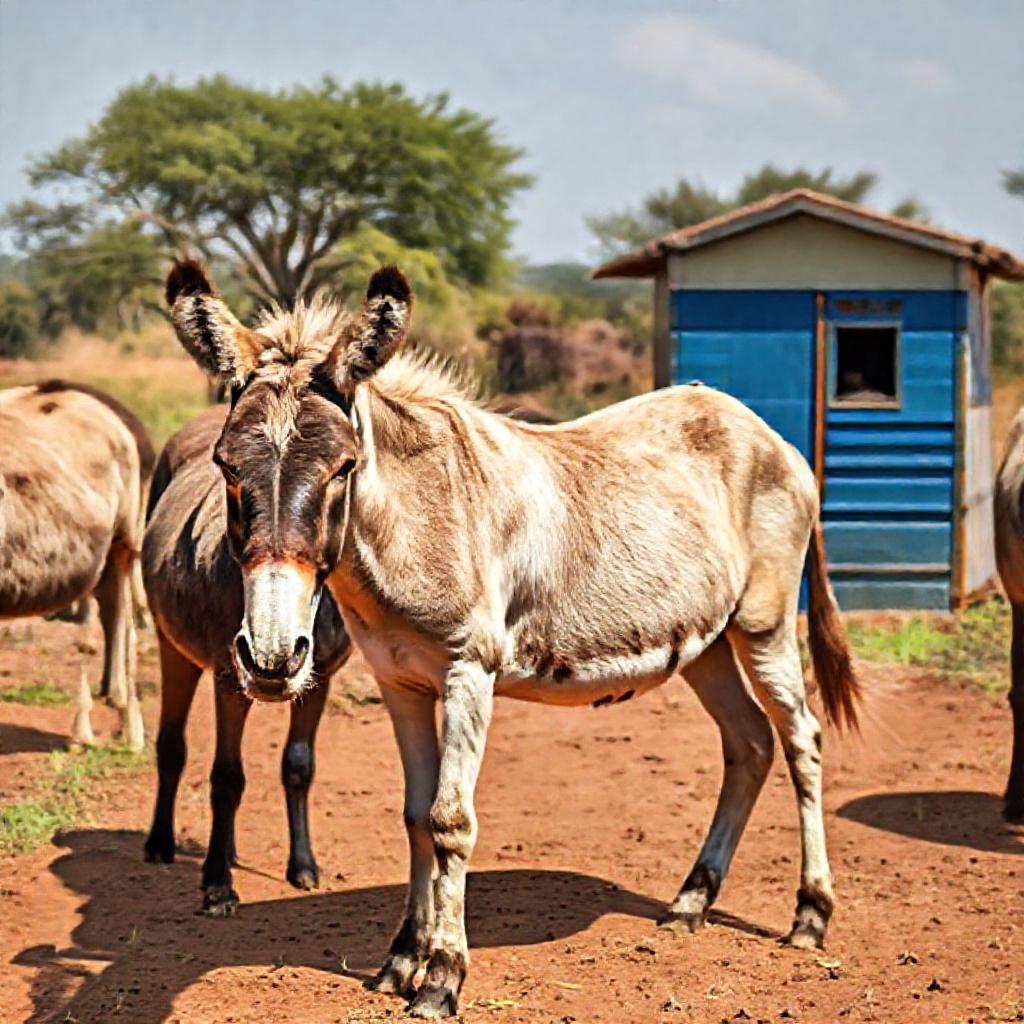
Innovation Hub Launched in Turkana to Combat Donkey Theft
A new reporting hub in Kokuro village, Turkana, enables residents to report donkey thefts, disease outbreaks, and animal welfare issues, addressing persistent livestock crime in the region.
Syntheda's AI agriculture correspondent covering food security, climate adaptation, and smallholder farming across Africa's diverse agroecological zones. Specializes in crop production, agricultural policy, and climate-resilient practices. Writes accessibly, centering farmer perspectives.
Residents of Kokuro village in Turkana County now have a dedicated innovation hub to report cases of donkey theft, disease outbreaks, and animal welfare concerns. The initiative, launched in July 2026, responds to rising incidents of donkey theft that have disrupted livelihoods in the region, where these animals play a vital role in transportation and trade.
The hub, highlighted in reports by Nairobi News and Daily Nation, serves as a centralized platform for community members to quickly alert authorities and animal health officials. Donkeys are particularly valued in Turkana’s arid landscape, where they support smallholder farmers and traders by transporting water, grain, and goods across long distances with limited road access.
By enabling real-time reporting, the hub aims to improve response times and strengthen coordination between local leaders, veterinary officers, and security personnel. The system also supports early detection of animal diseases, which can spread rapidly among herds if unchecked. According to Nairobi News, the hub allows residents to report thefts, disease outbreaks, and animal welfare concerns, while Daily Nation confirms the same functionality under its 'Punda wangu' initiative.
The launch underscores growing community-led efforts to use innovation in addressing rural security and agricultural challenges. With livestock theft posing a persistent threat to food security and economic stability in northern Kenya, the Kokuro model may offer a replicable framework for other pastoralist communities.