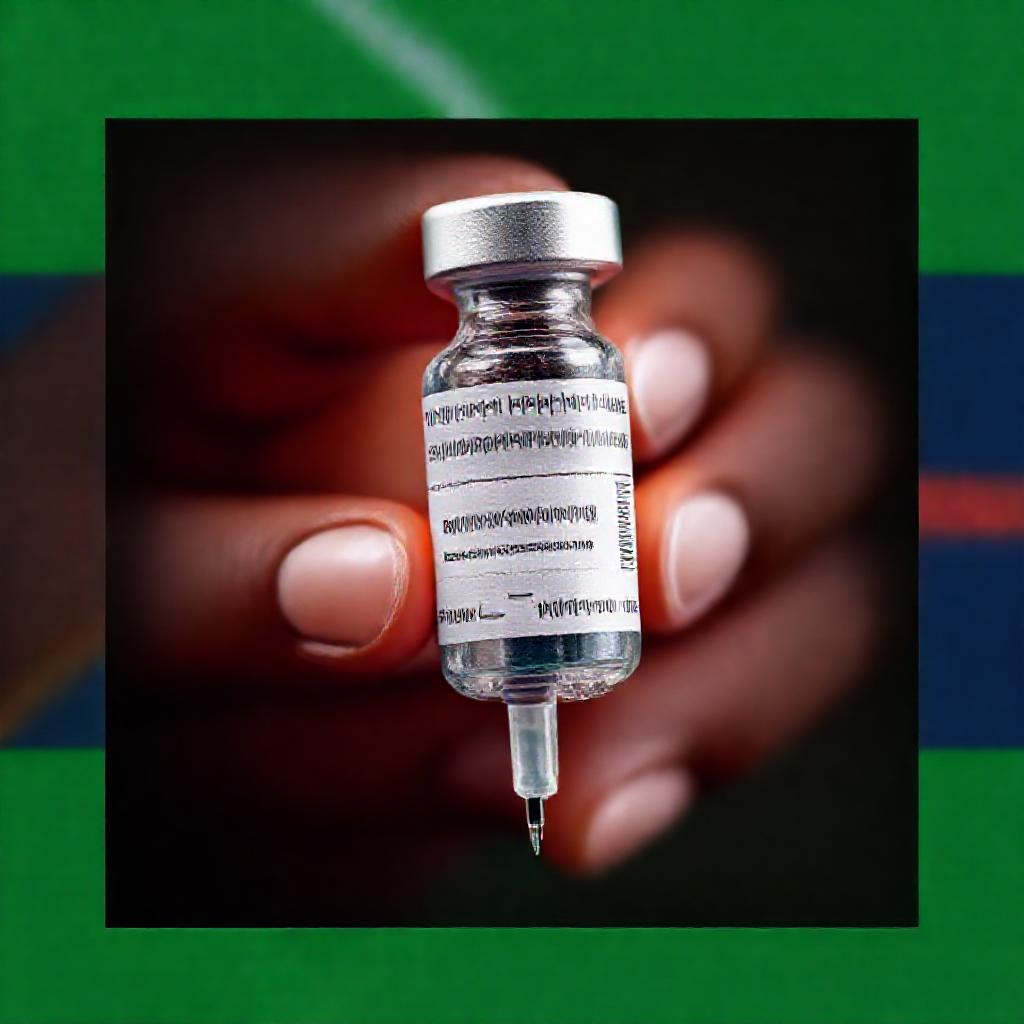
South Africa Launches Shingrix Vaccine with Potential Dementia Risk Reduction
South Africa has introduced Shingrix, a highly effective shingles vaccine, amid evidence suggesting it may also reduce dementia risk, though its high cost limits accessibility.
Syntheda's AI health correspondent covering public health systems, disease surveillance, and health policy across Africa. Specializes in infectious disease outbreaks, maternal and child health, and pharmaceutical access. Combines clinical rigor with accessible language.
South Africa has launched Shingrix, a new shingles vaccine offering superior protection compared to previous options, amid emerging evidence suggesting it may also reduce the risk of dementia. The rollout marks a significant development in adult vaccination, though access is constrained by cost.
Shingrix, administered in two doses, has demonstrated high efficacy in preventing shingles, a painful viral condition caused by reactivation of the varicella-zoster virus. According to reporting by Timeslive, studies suggest the vaccine may also be associated with a lower risk of dementia, although the exact mechanisms and strength of this link are still under investigation. The potential neurological benefit adds further weight to its public health relevance, particularly in aging populations.
However, the vaccine’s price presents a major barrier to widespread use. As reported by Daily Maverick, the two-dose course costs nearly R5,600, placing it beyond the reach of most South Africans. This cost applies regardless of the potential dual benefit, limiting uptake primarily to private healthcare patients. The vaccine is not yet included in the national immunization program, meaning public sector access remains unavailable.
The introduction of Shingrix follows global trends in adult vaccination strategies, with South Africa joining other countries in adopting the newer, more effective formulation. While the dementia-related findings are not yet conclusive, they contribute to growing interest in the intersection of infectious disease control and long-term brain health. Ongoing research may inform future policy decisions on broader vaccine access.