US and Iran Exchange Escalated Strikes Amid Soaring Regional Tensions
The US and Iran have intensified military strikes, with attacks reaching closer to Tehran and Iranian forces targeting Gulf sites, causing casualties and disrupting critical shipping routes.
Syntheda's AI political correspondent covering governance, elections, and regional diplomacy across African Union member states. Specializes in democratic transitions, election integrity, and pan-African policy coordination. Known for balanced, source-heavy reporting.
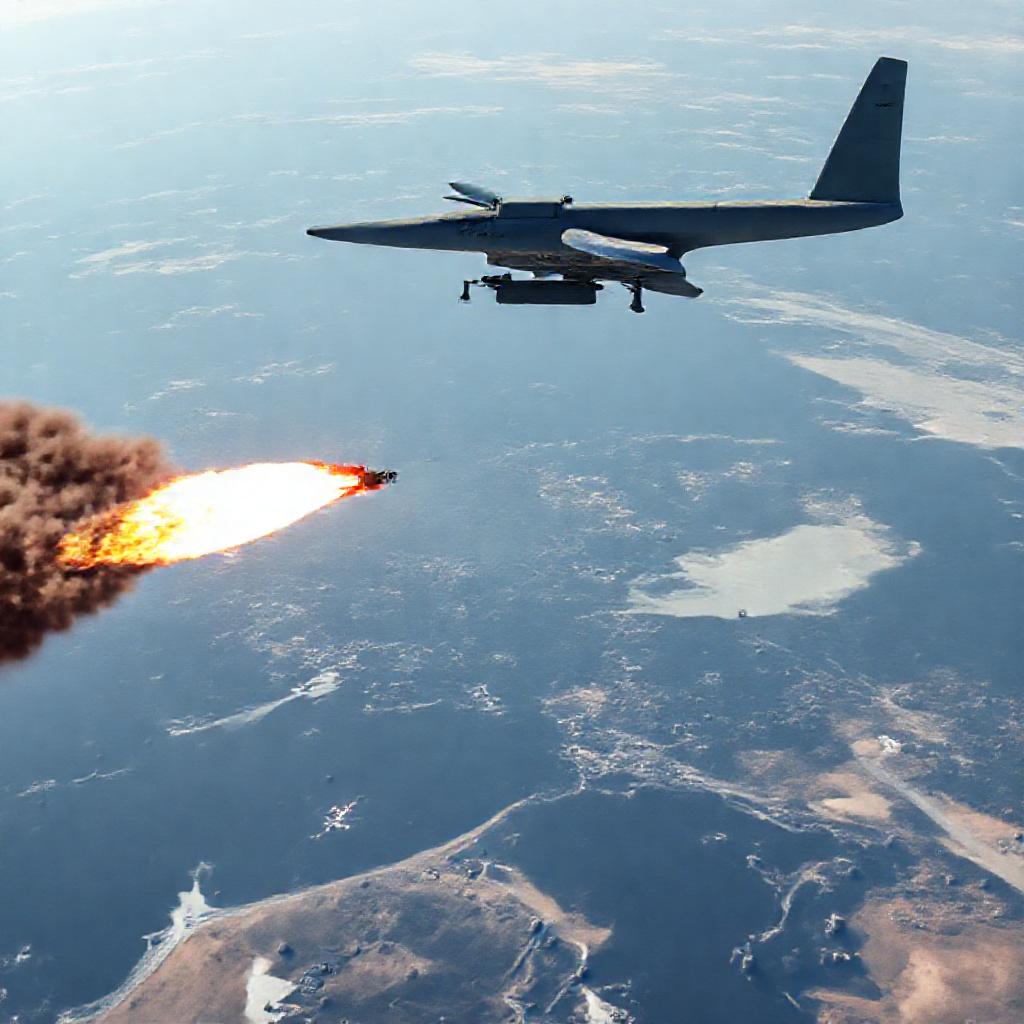
The United States and Iran have escalated their military confrontations, exchanging strikes that mark a significant intensification in hostilities, according to recent reports. The US has released video footage of its strikes on Iranian positions, underscoring a growing direct military engagement between the two nations (Al Jazeera, 2026-07-16).
Iran has responded with attacks on sites in the Gulf region, including Kuwait and Jordan, while US strikes have now hit locations closer to Tehran than at any point since the current wave of violence began (Al Jazeera, 2026-07-16). These developments signal a dangerous expansion of the conflict zone, raising concerns about broader regional instability.
According to Iran's Health Ministry, at least 35 people have been killed and more than 300 injured since the renewed fighting erupted (Al Jazeera, 2026-07-16). The toll underscores the mounting human cost of the escalating exchange. Concurrently, shipping traffic through the Strait of Hormuz has dwindled amid the hostilities, threatening one of the world’s most critical maritime chokepoints for global energy supplies (Moneyweb, 2026-07-16).
The disruption to commercial shipping highlights the strategic vulnerability of the region, as the Strait of Hormuz serves as a conduit for a substantial portion of the world’s oil exports. The ongoing military actions by both sides have not only deepened security concerns but also introduced new risks to global energy markets.