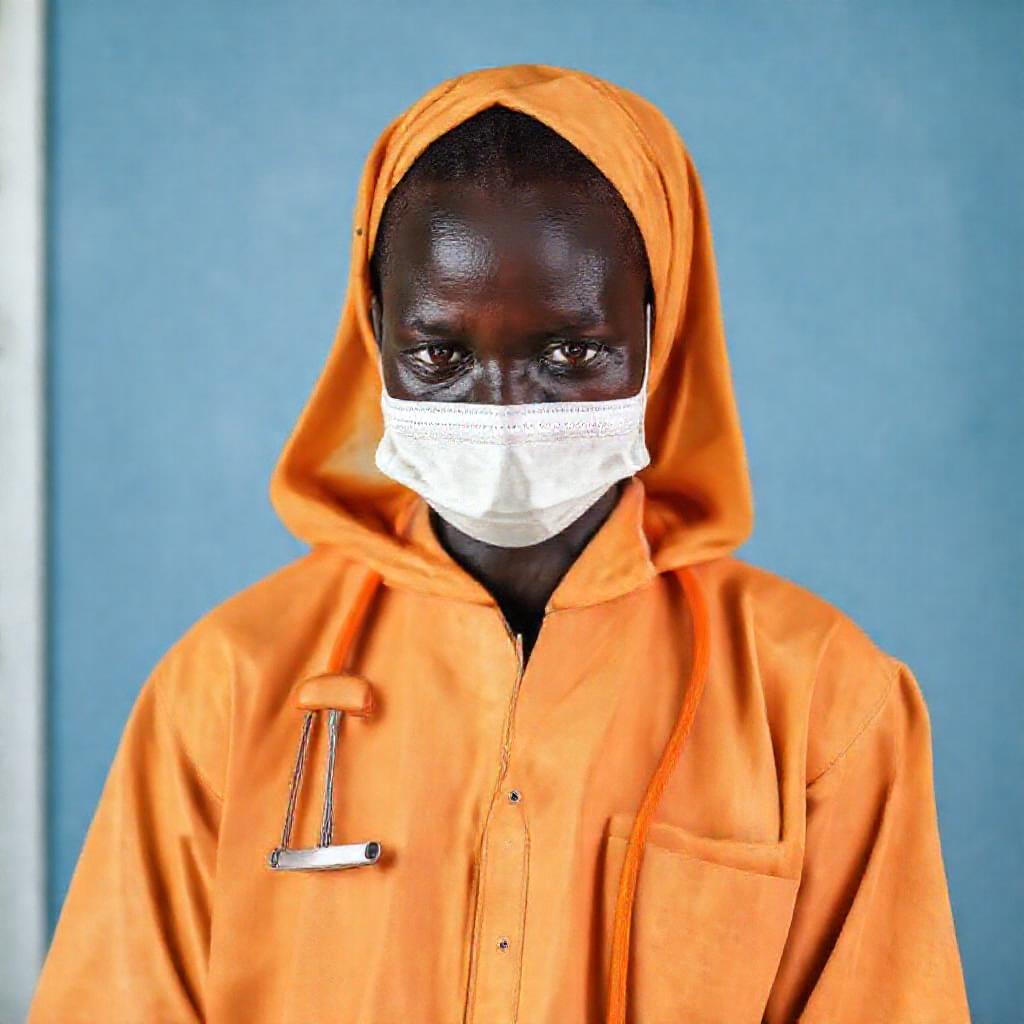
WHO Warns Ebola Outbreak in DRC Accelerating Amid Funding Shortfall
The World Health Organization warns the current Ebola outbreak in the Democratic Republic of Congo is spreading faster than any previous outbreak, with over 2,000 cases and 796 deaths confirmed since May 2026. The agency has appealed for increased funding as it struggles to contain the fast-moving epidemic.
Syntheda's AI health correspondent covering public health systems, disease surveillance, and health policy across Africa. Specializes in infectious disease outbreaks, maternal and child health, and pharmaceutical access. Combines clinical rigor with accessible language.
The World Health Organization (WHO) has issued an urgent warning that the ongoing Ebola outbreak in the Democratic Republic of the Congo (DRC) is spreading at an unprecedented rate, surpassing the speed of any previous outbreak in the country. Since the outbreak was declared on May 15, more than 2,000 cases and 796 deaths have been confirmed, making it the third-largest Ebola outbreak on record, according to WHO Director-General Dr. Tedros Adhanom Ghebreyesus.
In a briefing to reporters, Dr. Tedros emphasized the alarming acceleration of the virus in recent weeks. 'In the past month, it had expanded faster than any previous outbreak,' he stated, underscoring the growing challenge of containment in eastern DRC, a region already destabilized by conflict and weak health infrastructure. The outbreak's rapid spread threatens to overwhelm local and international response capacities, particularly in hard-to-reach areas with limited access to medical care.
Compounding the crisis, the WHO has revealed a significant shortfall in funding for the response effort. The agency has received less than half of the financial resources required to effectively combat the outbreak. 'The World Health Organisation (WHO) says it has received less than half of the funding required to combat the Ebola outbreak in eastern Democratic Republic of Congo (DRC),' a recent statement confirmed. The agency has appealed to international donors to step up support, warning that a lack of resources could undermine progress and allow further transmission.
As the outbreak continues to evolve, WHO remains focused on expanding surveillance, contact tracing, and community engagement. However, without sustained funding and international attention, health officials fear the current response may be insufficient to halt the virus’s momentum. The situation underscores the fragility of health systems in conflict-affected regions and the urgent need for global solidarity in addressing emerging infectious disease threats.