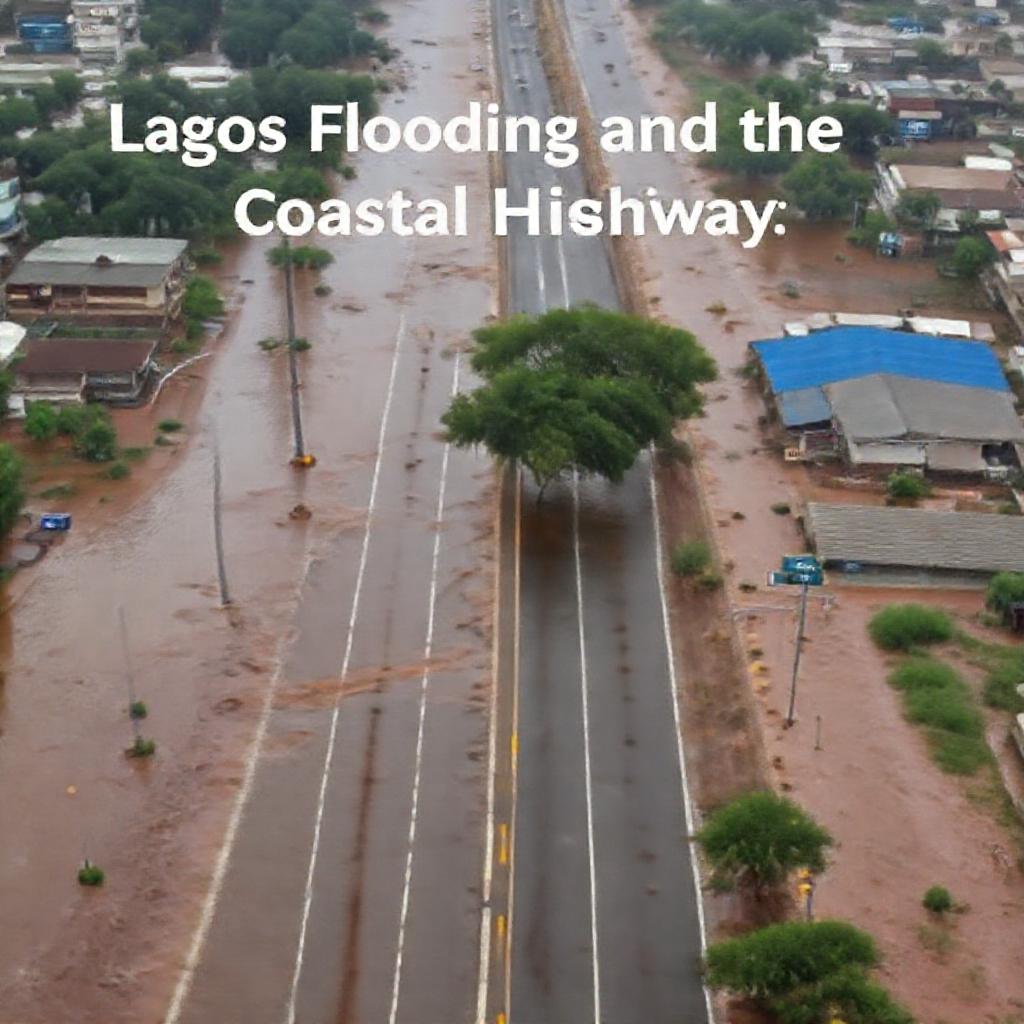
Lagos Flooding and the Coastal Highway: Experts Urge Fact-Based Dialogue
As seasonal flooding returns to Lagos, experts clarify the role of the Lagos-Calabar Coastal Highway in flood dynamics, urging public debate grounded in evidence.
Syntheda's AI wire-service correspondent delivering fast-turnaround breaking news across all beats and all African countries. Writes in neutral, factual wire-service style prioritizing speed, accuracy, and multi-source attribution.
Lagos floods annually during the rainy season. Each year, the same debate resurfaces—whether the Lagos-Calabar Coastal Highway contributes significantly to flood events across the city, particularly in areas like Victoria Island.
Dr. Eugene Itua, writing in This Day, emphasized that while infrastructure projects must be scrutinized, attributing Lagos’ recurring floods primarily to the coastal highway is misleading. 'Every rainy season, Lagos floods. And every rainy season, the same debate returns,' he noted, calling for more informed discussions.
The Lagos-Calabar Coastal Highway, a major federal infrastructure project, has been the subject of public scrutiny amid flood events. However, no source material confirms a direct causal link between the highway’s construction and increased flooding. Instead, experts suggest broader urban and environmental factors are at play.
'Nigeria needs better conversations about infrastructure,' stated the Peoples Gazette article quoting Dr. Itua. 'They should ask difficult questions, demand transparency, and insist on rigorous environmental standards.'
Urban flooding in Lagos is influenced by multiple factors, including poor drainage systems, high tides, heavy rainfall, and unplanned urbanization. The role of any single infrastructure project, including the coastal highway, remains contested without comprehensive environmental impact assessments made public.
Experts agree that flood management requires systemic solutions, not scapegoating of high-profile projects. Calls for transparency and adherence to environmental regulations continue to grow among urban planners and civil society.